A crypto bull market typically ends after certain patterns emerge. This article analyzes 25 key indicators across 7 major categories—price valuation, technical analysis, capital flows, on-chain data, stablecoin leverage, market sentiment, and altcoin rotation—to help investors assess whether the market is overheating. It provides a detailed breakdown of each indicator’s calculation, application, and interpretation, along with an analysis of the current market conditions. The goal is to enhance readers’ ability to take profits wisely and avoid missing the best exit opportunities due to greed. By evaluating multi-dimensional indicators, investors can more accurately predict potential market tops and make smarter investment decisions.
2026-04-01 02:22:44
The scalability issue of Bitcoin has always been a key bottleneck in its development. This article delves into the challenges Bitcoin faces during the scaling process, particularly the limitations of existing solutions, such as the user attrition problem in projects like Babylon and Bitlayer after the failure of their incentive mechanisms.
2026-04-01 01:58:43
The price of the ZKsync token, ZK, plummeted due to a security incident. Attackers used an airdrop distribution contract's admin account to mint a large number of unclaimed airdrop tokens and sell them on-chain. This incident not only exposed vulnerabilities in ZKsync’s contract management but also sparked widespread discussion about the security and reliability of Layer 2 technologies.
2026-04-01 01:43:52
As a leading L2 network, Mantle is promoting the deep integration of on-chain finance and traditional finance through innovative products Mantle Index Four (MI4) and Mantle Banking. It is not only committed to improving capital efficiency, but also providing users with a more efficient and safer financial experience through technological innovation and ecological expansion.
2026-04-01 00:47:22
This post proposes a radical idea for the future of the Ethereum execution layer, one that is equally as ambitious as the beam chain effort is for the consensus layer.
2026-04-01 00:23:13
Gate Research (April 18-24, 2025): On April 17, Eliza Labs launched Auto-Fun, an AI agent Launchpad platform to accelerate AI-blockchain integration, while Circle released the Refund Protocol and stablecoin payment network to enhance on-chain payment flexibility. On April 21, the Ethereum Foundation initiated strategic adjustments for the Pectra upgrade, focusing on throughput bottlenecks and cross-chain interoperability. On April 23, Hyperliquid introduced 21 permissionless nodes and planned a delegation mechanism to strengthen decentralized governance and security. On April 24, the Solana Foundation implemented a new delegation policy, removing inactive validators to enhance network decentralization.
2026-03-31 23:12:28
MCP (Model Context Protocol) is an emerging field that has recently attracted attention from Web2 tech companies like Google. The article provides an in-depth analysis of the principles and positioning of the MCP protocol, explaining how it delivers context to large language models (LLMs) through standardized communication with applications. It also explores the team behind DARK, MtnDAO, and how the founder, Edgar Pavlovsky’s strong execution capabilities and the team's future outlook could potentially drive up the token’s price.
2026-03-31 22:42:52
This article explores how innovation compounds in the crypto space, examining how technology catalyzes ecosystem growth through the synergy between infrastructure and applications—from EigenLayer's restaking and Pendle's points system to Solana's memecoin surge and EVM experience improvements. The analysis reveals that lasting value typically flows not to the original innovators but to those who can effectively scale, refine, and foster new user behaviors. At the intersection of innovation, liquidity, and usability lies the key to identifying the next breakthrough.
2026-03-31 21:14:52
MCP enables AI systems to discover and interact with available tools dynamically, supporting persistent two-way communication between models and external systems.
2026-03-31 20:43:47
This report aims to provide a comprehensive analysis of the core strengths and challenges in the development of the Sonic ecosystem, benchmarking them against the peak of the Fantom ecosystem. By examining key indicators across multiple dimensions—including competitive landscape, technological advancement, user growth, and ecosystem development—it explores whether Sonic has the potential to replicate Fantom's past success and evaluates its strategic roadmap and risk mitigation approach in the current complex market environment.
2026-03-31 17:08:24
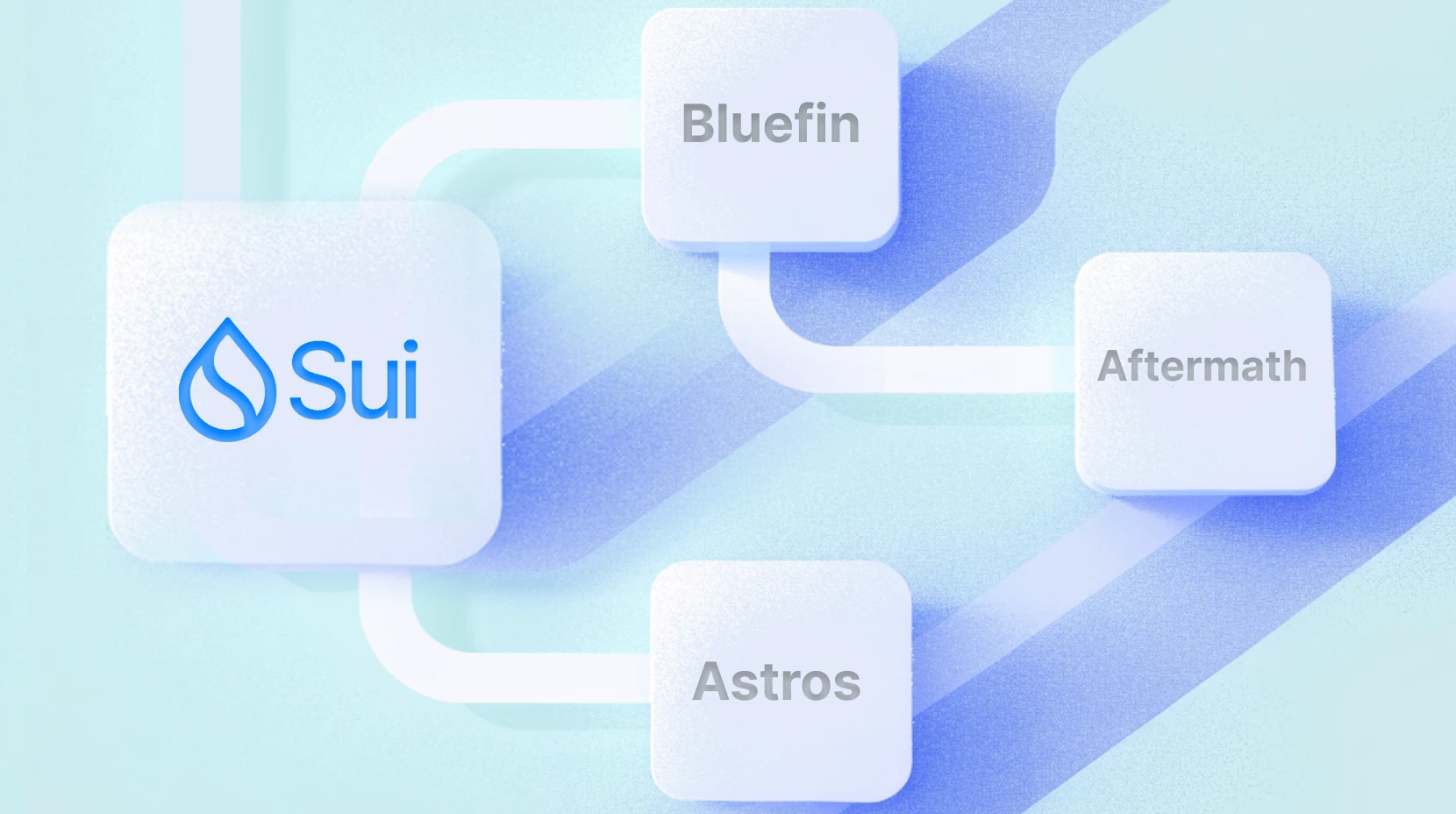
The article provides a detailed analysis of Sui's technical characteristics and ecosystem construction, including the trading characteristics, protocol mechanisms, and performance of early builders such as Bluefin, Aftermath, Astros, and Typus Finance. Sui's Perp DEX ecosystem is emerging, but facing competition from mature ecosystems like EVM and Solana, the incentive mechanism may be the key to achieving significant growth.
2026-03-31 15:54:55
As the cryptocurrency industry transitions from financial speculation to real consumer scenarios, consumer-grade public chains have become a new trend in industry development. Through technological innovation (hybrid Rollup), strategic positioning (focus on consumer scenarios), and resource integration (cooperation with Bitget), Morph is becoming an important entry point for on-chain living infrastructure.
2026-03-31 15:49:20
In-depth analysis of polygon labs' miden virtual machine architecture: explore how it applies STARK zero-knowledge proof technology to deliver a high-performance, scalable, and privacy-centric ZK-Rollup solution, helping advance Web3 infrastructure to the next stage.
2026-03-31 15:03:27
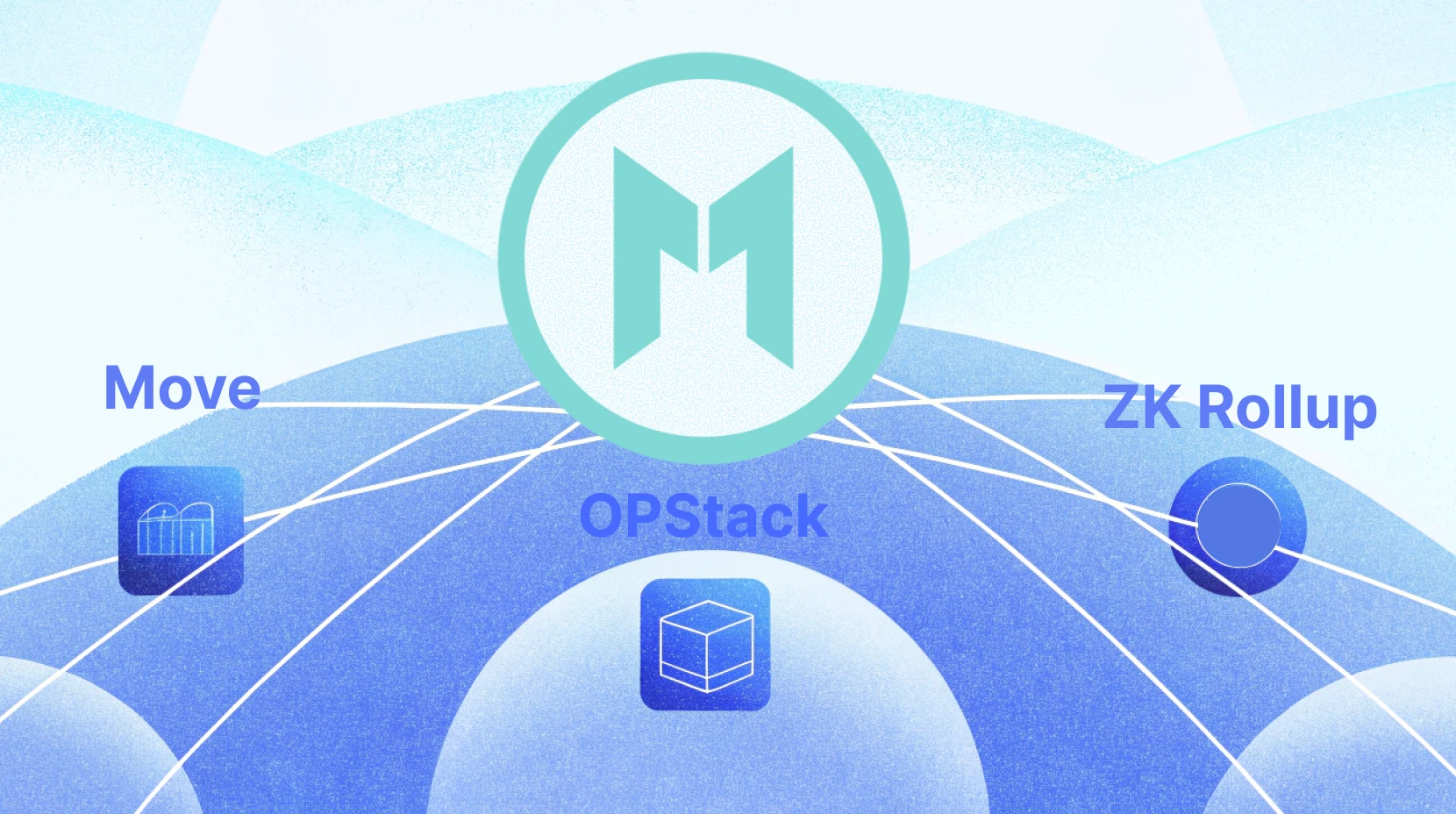
As the first public chain infrastructure that supports Multi-VM architecture, Mango Network breaks the liquidity fragmentation problem between different blockchain networks by integrating cutting-edge technologies such as Move, OPStack, and ZK Rollup.
2026-03-31 13:20:46
The article explores how Aztec uses zero-knowledge proof technology to achieve privacy protection, analyzing a new approach for balancing privacy and transparency in blockchain technology.
2026-03-31 12:43:21