


Futuros
Aceda a centenas de contratos perpétuos
TradFi
Ouro
Plataforma de ativos tradicionais globais
Opções
Hot
Negoceie Opções Vanilla ao estilo europeu
Conta Unificada
Maximize a eficiência do seu capital
Negociação de demonstração
Arranque dos futuros
Prepare-se para a sua negociação de futuros
Eventos de futuros
Participe em eventos para recompensas
Negociação de demonstração
Utilize fundos virtuais para experimentar uma negociação sem riscos
Lançamento
CandyDrop
Recolher doces para ganhar airdrops
Launchpool
Faça staking rapidamente, ganhe potenciais novos tokens
HODLer Airdrop
Detenha GT e obtenha airdrops maciços de graça
Launchpad
Chegue cedo ao próximo grande projeto de tokens
Pontos Alpha
Negoceie ativos on-chain para airdrops
Pontos de futuros
Ganhe pontos de futuros e receba recompensas de airdrop
Investimento
Simple Earn
Ganhe juros com tokens inativos
Investimento automático
Invista automaticamente de forma regular.
Investimento Duplo
Aproveite a volatilidade do mercado
Soft Staking
Ganhe recompensas com staking flexível
Empréstimo de criptomoedas
0 Fees
Dê em garantia uma criptomoeda para pedir outra emprestada
Centro de empréstimos
Centro de empréstimos integrado
Centro de Património VIP
Aumento de património premium
Gestão de património privado
Alocação de ativos premium
Fundo Quant
Estratégias quant de topo
Staking
Faça staking de criptomoedas para ganhar em produtos PoS
Alavancagem inteligente
New
Alavancagem sem liquidação
Cunhagem de GUSD
Cunhe GUSD para retornos RWA





Bitcoin Hashrate Hits New All-Time High, Exacerbating Profitability Challenges for Miners
Last updated: December 26, 2023 02:16 EST . 2 min read
Disclosure: Crypto is a high-risk asset class. This article is provided for informational purposes and does not constitute investment advice. By using this website, you agree to our terms and conditions. We may utilise affiliate links within our content, and receive commission.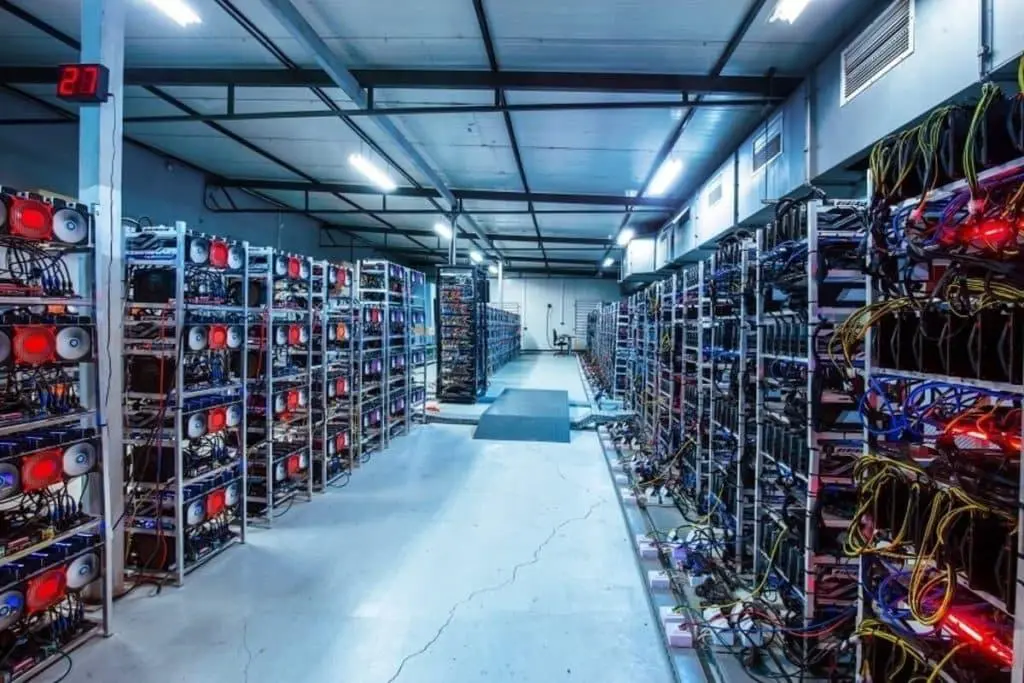 Source: AdobeStock / Photocreo BednarekThe hashrate of the Bitcoin (BTC) network has reached a new all-time high, putting additional pressure on miners who are already grappling with a slump in profitability
According to data from Blockchain.com and Bitinfocharts, Bitcoin’s hashrate soared to a record-breaking 544 exahashes per second (EH/s) on Christmas Day
Throughout the year, network hash rates have more than doubled, witnessing a remarkable 130% increase since January
Interestingly, this surge in hashrate has been accompanied by a parallel rise in Bitcoin’s price, which has surged by over 150% since the beginning of 2023
Impact of 2021 China Ban on Crypto Mining Gone
The summer 2021 mining ban in China, which disrupted a significant portion of the Bitcoin mining industry, seems to have had little lasting impact on the network’s hash rate
Will Clemente, co-founder of Reflexivity Research, said that the ban was “barely a blip” and emphasizing the resilience of the decentralized monetary network.
While a high hashrate is favorable for theoretical price models and overall network security, it presents challenges for individual miners.
As the hash rate increases, miners are required to put in more effort to secure the next block, leading to higher operational costs
In recent weeks, profitability, as measured by hash price, has declined as the hype around BRC-20 ordinal inions has cooled off.
Currently standing at $0.09 per terahashes per second per day, the hash price has witnessed a 34% decrease since its peak of $0.136/TH/s/day in December.
The drop in profitability can be attributed to the sustained elevated fee pressure in Bitcoin’s mempools, the backlog of unconfirmed transactions
Despite occasional spikes in transaction fees during periods of high demand, the mempools have been experiencing congestion for almost a year, which has led to increased costs for miners and elevated transaction fees for users.
Investors Worry About Upcoming Halving
Investors are also concerned about Bitcoin’s upcoming halving, set to occur in 2024
During this event, miners will receive only half the number of Bitcoins per block as they did previously, leading to lower profit margins for mining companies across the board.
The Bitcoin halving is an event that occurs approximately every four years, specifically every 210,000 blocks
During the halving, the number of new Bitcoins generated per block is cut in half, reducing the rate at which new coins enter circulation
This mechanism is designed to control inflation and ensure the scarcity of Bitcoin over time.
Historically, Bitcoin halvings have had a significant impact on the price of the cryptocurrency
The reduction in the rate of supply combined with steady or increasing demand has often led to price increases in the past
However, it’s important to note that the halving’s impact on price is not immediate and can unfold over an extended period.