YieldYuki

vip
Age 0.1 Yıl
Peak Tier 0
No content yet
Supporting levels for buying spot can be understood, but don't treat short-term as long-term; make your plan clear.
View Original
ExtremeWayBit
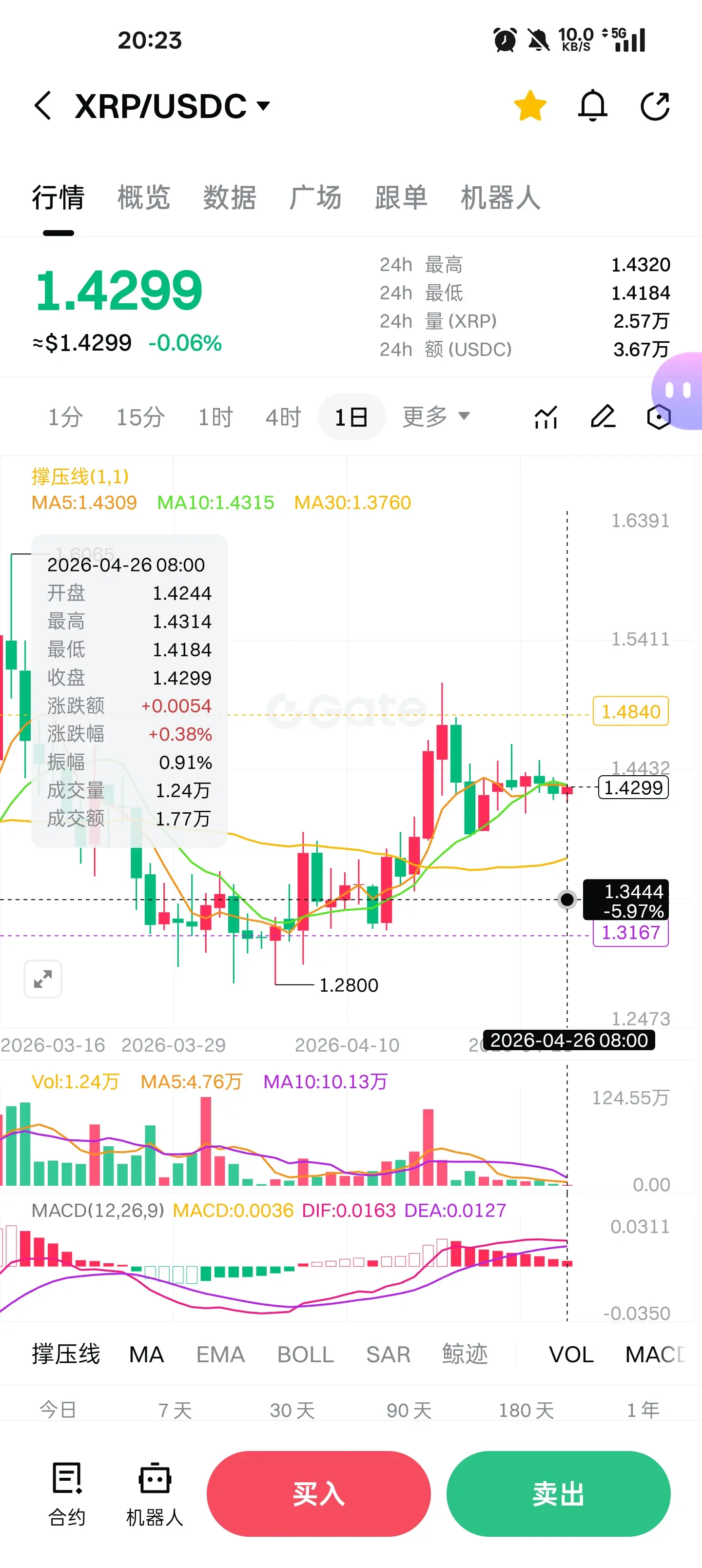
Support level around 1.33, you can buy spot! Trading this coin requires waiting for the right opportunity, don't rush! Wait for the next big cycle, maybe there will be some positions left for Ripple!
repost-content-media
  • Reward
  • Comment
  • Repost
  • Share
AWS Marketplace is such a huge entry point that Chainlink directly reaches enterprise development teams, opening up endless possibilities.
LINK-1,13%
View Original
CryptoFrontier
AWS Marketplace Integrates Chainlink Oracle Services
Amazon Web Services has launched Chainlink's data standard on the AWS Marketplace, making the oracle provider's data feeds, data streams, and proof-of-reserve services available to enterprise developers. The integration maintains enterprise security and compliance standards while bridging cloud and
  • Reward
  • 1
  • Repost
  • Share
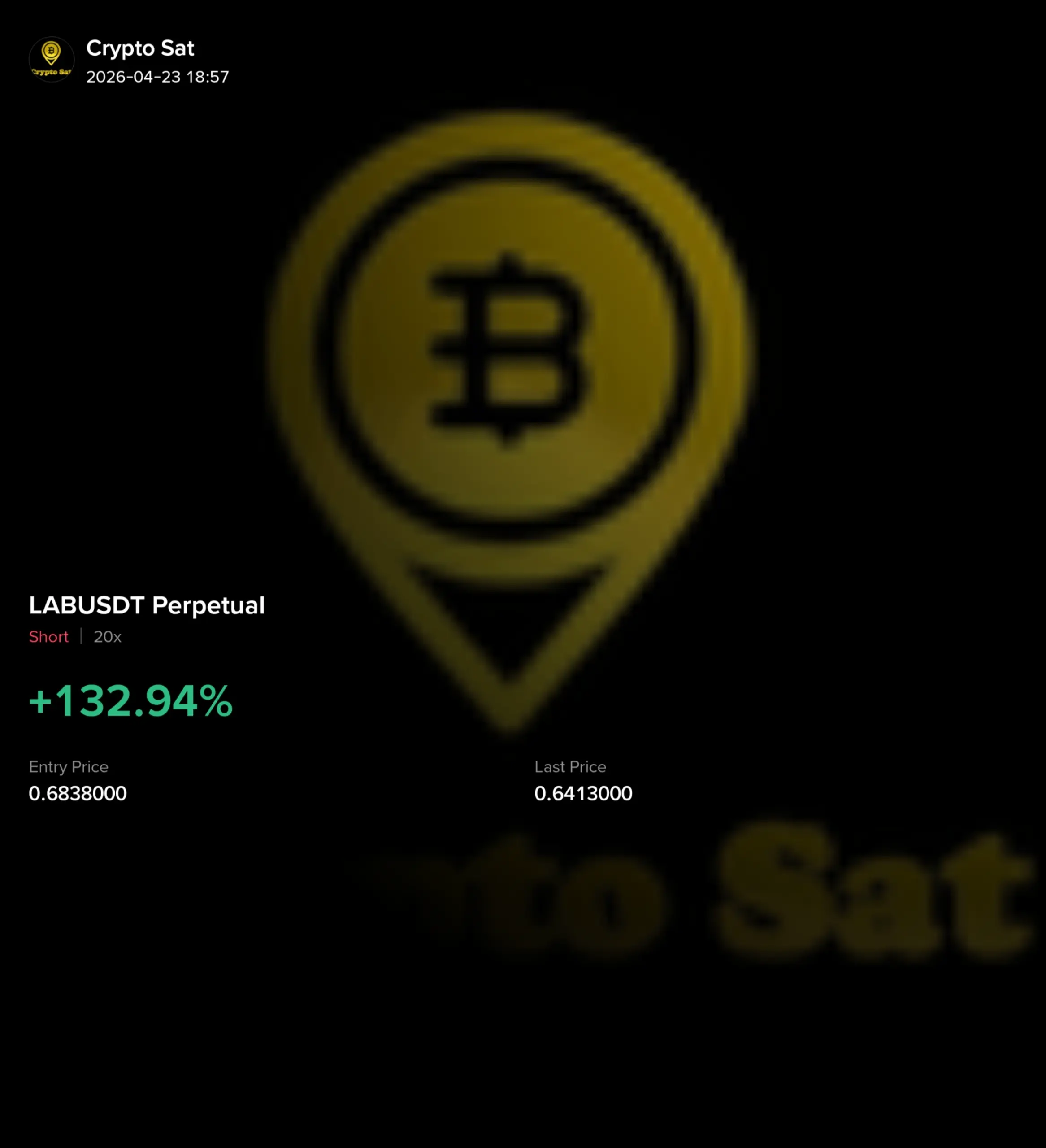
The third goal is achieved, very stable.
View Original
CryptoSat
$LAB 3rd Target finished 🎯
Stoploss to entry price, don't forget that 😅
repost-content-media
  • Reward
  • Comment
  • Repost
  • Share
Recently, when looking at NFT liquidity, it really feels like checking the temperature of the floor price: once no one is buying at the floor, no matter how hot the narrative is, it can cool down very quickly. The issue of royalties is also quite awkward; frankly, it’s about whether people are willing to keep the creator alive. When the market is bad, everyone starts to avoid royalties. In the short term, it saves some money, but the community will lack content and maintenance later, and in the end, it still results in worse liquidity.
Now I don’t dare to look at projects only through the floo
View Original
  • Reward
  • Comment
  • Repost
  • Share
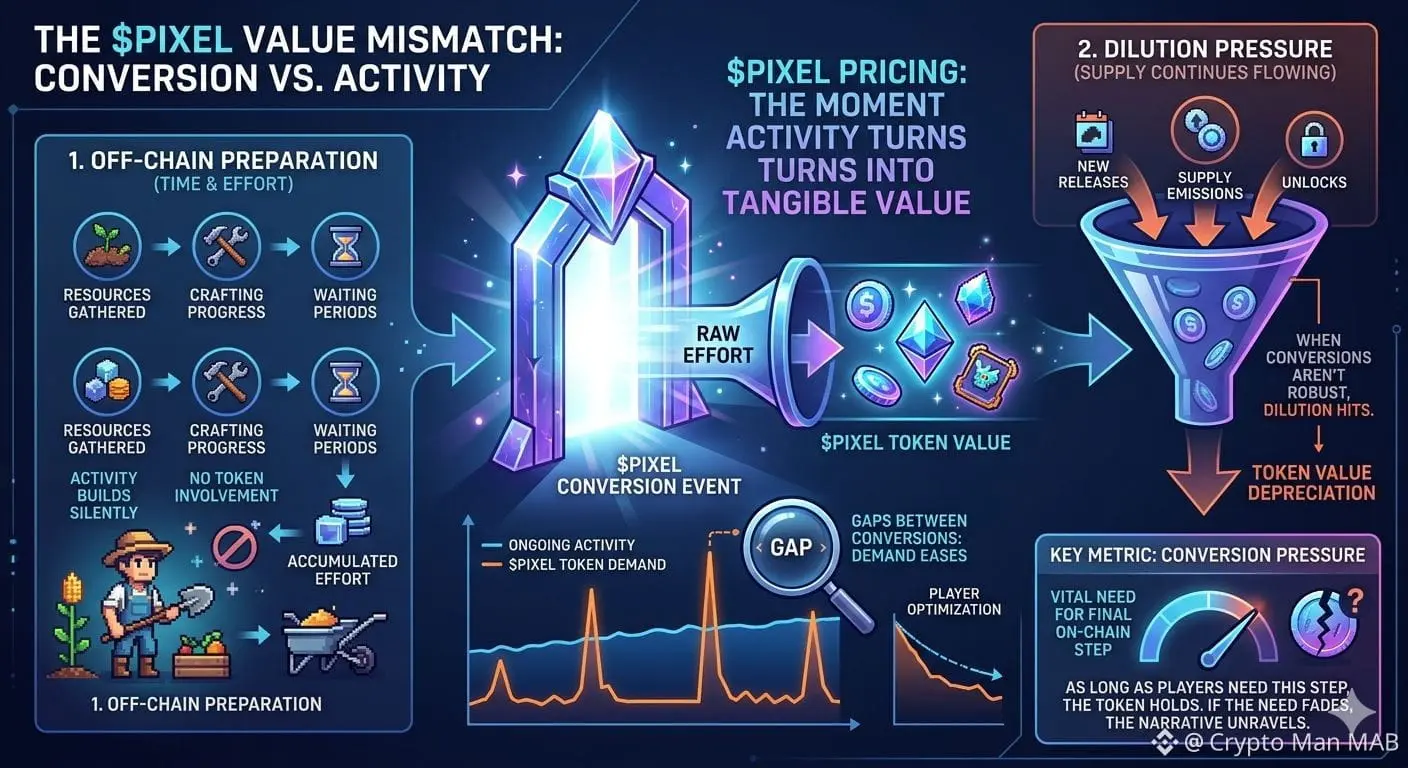
Basically, it's betting on the premium at the "moment of settlement."
View Original
CryptoManMab
So perhaps $PIXEL isn’t really pricing ongoing activity. It’s pricing the moment when that activity turns into tangible value.
At the same time, supply continues to flow. New unlocks and releases don’t pause to wait for demand to catch up. When conversions aren’t robust enough, dilution can hit hard and fast.
repost-content-media
  • Reward
  • Comment
  • Repost
  • Share
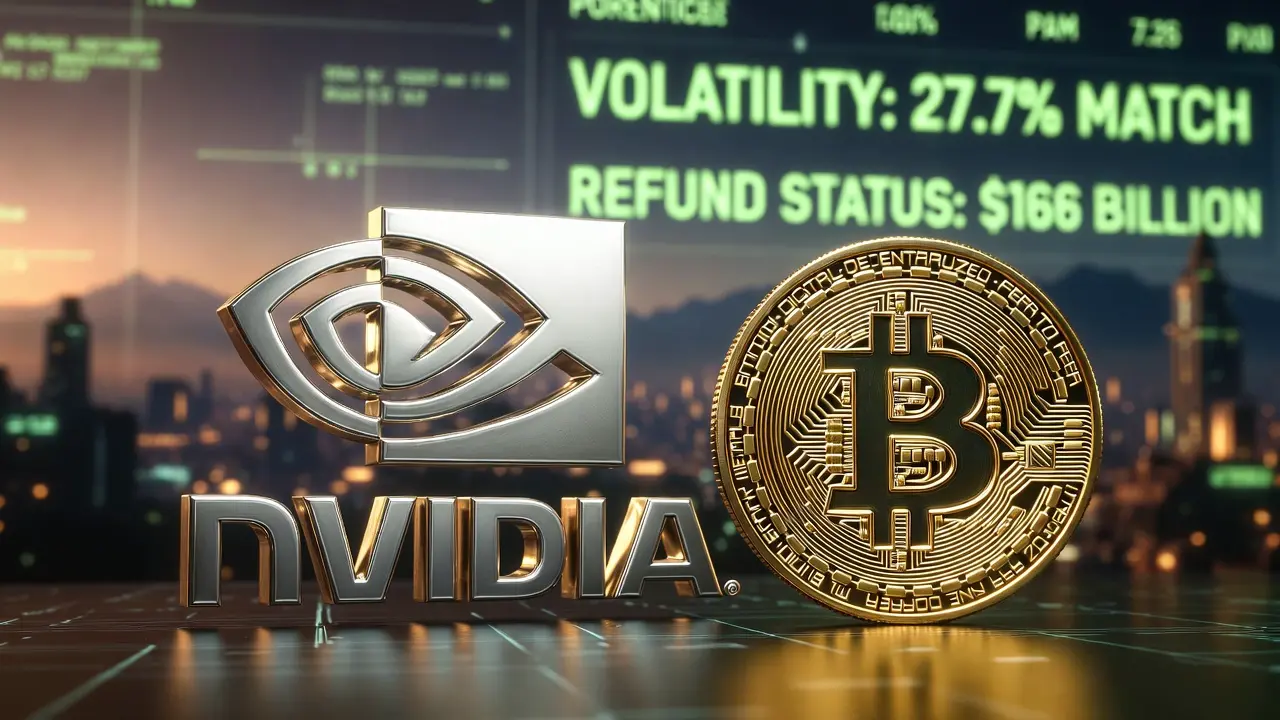
NVDA and BTC's synchronization is just too crazy.
BTC-0,37%
View Original
Coinstages
🏛️ THE NVIDIA-BITCOIN MIRROR: TARIFF REFUNDS AND BULL FLAGS SIGNAL A $250 RALLY
NVIDIA (NVDA) stock is currently trading at $199.24, carving a classic bull flag pattern that almost perfectly mirrors the current structure of Bitcoin (BTC).
repost-content-media
  • Reward
  • Comment
  • Repost
  • Share
These days, I've been looking into MEV again. Basically, someone is "cutting in line" in the blocks. You think you're just normally swapping coins or market making, but the transaction price gets squeezed a bit, and the slippage suddenly increases. The losses aren't necessarily from big players; often, it's the small, frequent traders who suffer the most... I'm just someone who loves making comparison charts. Recently, I’ve been looking at "interest rate sources" and "trading routes" together, and I found that the same pool has a pretty big difference in the probability of being squeezed when
View Original
  • Reward
  • Comment
  • Repost
  • Share
Meme, this wave is heating up again. I also watch it, but to be honest, I don't expect it to be logical; I treat it as an emotional market. My stop-loss usually doesn't rely on "feelings." First, clearly write down the signals indicating narrative failure: on-chain transaction volume drops, the number of addresses holding tokens doesn't increase, liquidity pools start to thin out, or the community shifts from creating memes to mutual insults. Trigger one, reduce position; trigger two, close it all—don't wait for a break-even.
Previously, when I saw economic collapses in blockchain games—inflat
View Original
  • Reward
  • Comment
  • Repost
  • Share
I just got the itch again to chase the rally—my mouse was almost down to click—when I forcibly stopped: is it that I saw new information, or am I being pushed by the candlestick chart and group chat emotions into adding to my position? Right now, I’ll first just scribble three lines: “Where do the interest/returns come from, can I withdraw at any time, and in the worst case how much can I lose.” If I don’t write it down, I’m basically telling myself I haven’t fully thought it through.
Lately, all that fuss about privacy coins and coin-mixing has been arguing over compliance boundaries quite fi
View Original
  • Reward
  • Comment
  • Repost
  • Share
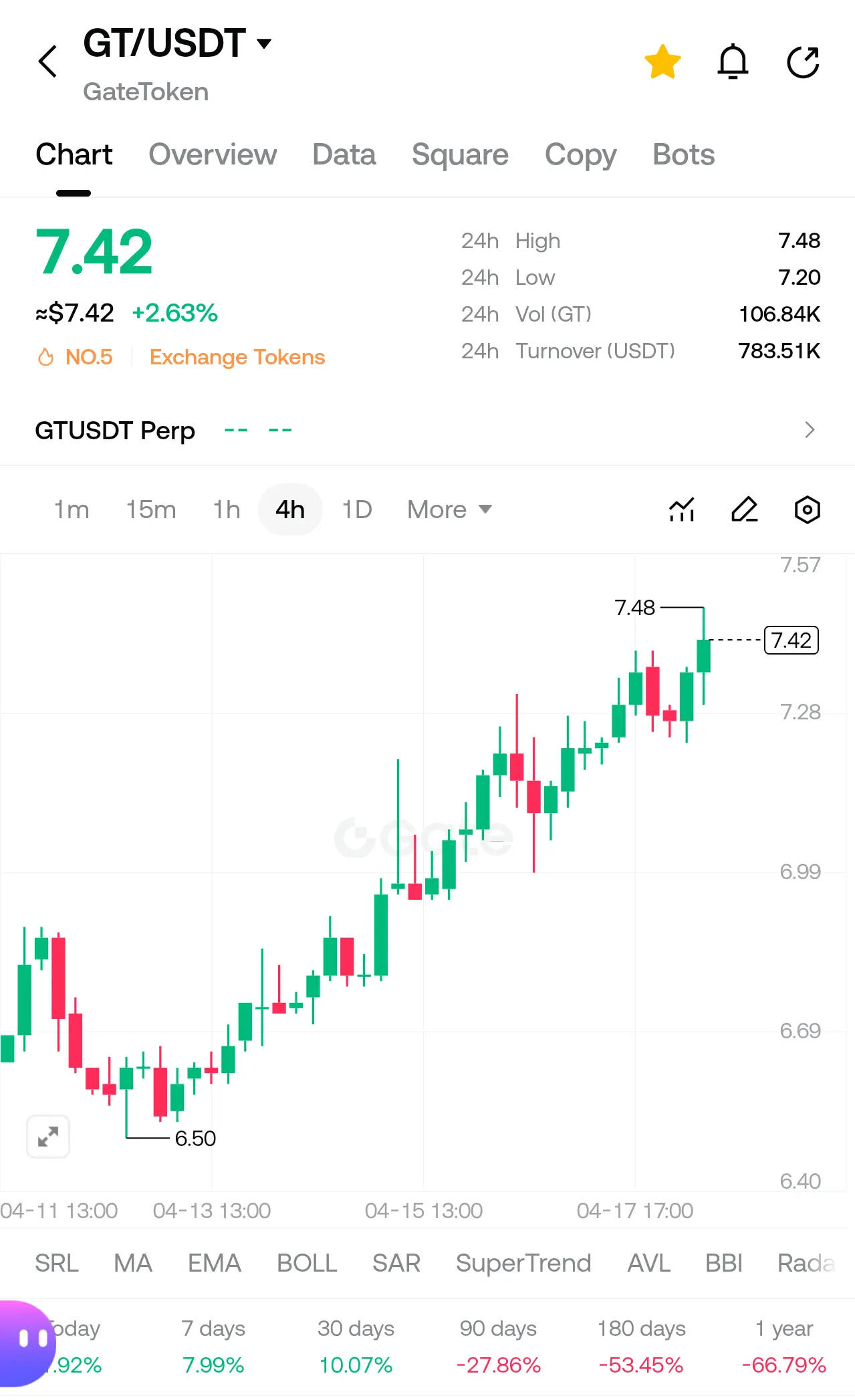
It looks like a typical trend continuation strategy: hold as long as the structure isn't broken, admit defeat if it is.
View Original
MarcusCorvinus
$GT clean bullish trend with steady upside
I’m seeing strength because $GT is forming higher highs and holding structure
No panic selling just controlled move
Entry Point 7.20 to 7.35
Target Point 7.90 then 8.50
Stop Loss 6.95
I’m expecting slow continuation
Trend still intact
This is possible because strong structure builds stable moves
Let’s go and Trade now $GT ‌
repost-content-media
  • Reward
  • Comment
  • Repost
  • Share
Waiting three hours to respond is a big negative; crisis communication is just as important as technical stop-loss.
View Original
TheBuzzingBee
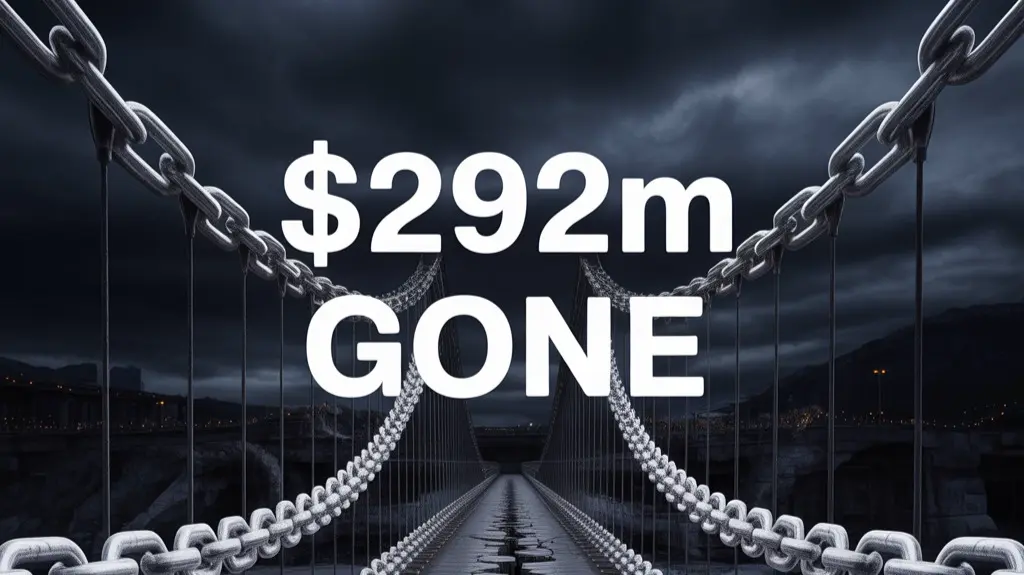
😱💢💥DeFi Loses $292 Million in Under an Hour!
A single mistake in setup opened the door. One overlooked bridge, left without enough eyes, was all it took. The largest DeFi breach that year came not from brilliance, but neglect.
April 18, 2026. Time: 17:35 UTC. Someone walked out of Kelp DAO's LayerZero bridge with 116,500 rsETH.. That haul? Nearly $292 million. 46 minutes passed before Kelp hit pause on its contracts. In that window, around $250 million in stolen tokens changed hands, flipped into ETH using a wallet quietly loaded up earlier through Tornado Cash. Every move lined up ahead of time. Nothing left to chance. Damage done.
This breach marks the biggest DeFi hack so far in 2026 - no other incident comes near.
What Was Breached and the Method Used
A sea of activity swirls around Kelp DAO, it functions like a machine that lets people put in ETH or certain staked assets. Instead of sitting still, those deposits flow into EigenLayer to gather extra returns over time. Out comes rsETH, a token you can swap or move freely. Trouble struck: the link between chains, holding reserves for wrapped rsETH, took damage. That connection supports operations on over twenty networks. Arbitrum sets the pace, then come Base, Linea, even lesser-known ones like Blast and Scroll, all tied into the web.
A false signal slipped through LayerZero’s defenses, fooling the system into accepting corrupted data. Because of that, Kelp’s connection reacted as if permission came from a trusted source. A transfer began without real authorization behind it. Out went 116,500 rsETH, diverted before anyone could stop it. The destination? An address already under the attacker’s grip.
Just one fake message started it all. The breach happened because a single bridge believed it. Everything collapsed after that.
A lone signer managed approvals, so only one player had authority over trades. Because of that, the hacker slipped through by signing off on a transfer to create tons of rsETH with nothing backing it up on the original network. Michael Egorov, who started Curve Finance, said it straight: "Risks show up if everything leans on a single person."
The Contagion Moved Fast
Here’s when things turn uglier. Not only did the thief grab the cash, but turned it into a tool for more harm.
A wave of borrowed wETH surged through Aave V3 after hackers funneled stolen rsETH into the protocol. One breach spiraled, suddenly, ripple effects gripped much of decentralized finance.
Down from $26.4 billion on April 18, Aave’s locked funds hit close to $20 billion by Sunday morning in the U.S., losing $6.6 billion as its AAVE token dipped 16%. Because of the turmoil, SparkLend, Fluid, and Lido each paused trading on rsETH markets without delay. RaveDAO’s RAVE coin tumbled 90%, falling from $27.33 to just $1.15, erasing more than $5 billion in market value during one session alone. Though stability was expected, chaos unfolded fast across platforms once numbers began slipping.
Something else happened later - two more tries to pull out 40,000 rsETH, about $100 million, got stopped once Kelp hit the emergency brake. Not that it helped much after $292 million had vanished.
This Is Not an Accident But a Repeating Sequence
Truth is, 2026 hasn’t played nice with DeFi security
A breach hit the Drift Protocol hosted on Solana early April 1, wiping out close to $285 million. The incident traces back to hackers tied to North Korea. Funds vanished fast during the exploit.
A string of hacks hit several platforms, CoW Swap felt it first, then Zerion stumbled under pressure. Rhea Finance followed soon after, its defenses giving way unexpectedly. Silo Finance cracked later, joining the chain of breaches that unfolded week by week.
Q1 2026 alone scams and hacks drained about $482 million in digital currencies. While breaches pulled off big hits, trickery played its part too across those months.
A weekend saw Kelp grow by an extra $292 million.
Ledger's Chief Security Officer said it plainly: "All in all, the trust into DeFi protocols is eroded by this kind of event. And 2026 will most likely be the worst year in terms of hacks, again."
The Hard Reality of DeFi Building Blocks
Turns out the thing nobody wants to admit: what makes DeFi flexible also breaks it when stress hits. Composability builds power through connections, yet those links become weak points under pressure.
One moment rsETH served as trusted backing on Aave, SparkLend, Fluid, Compound, and Euler, built that way since open linking defines DeFi’s reason to exist. These systems let one another operate freely. It’s by design. Yet right after the breach, fake holdings flooded mainly Aave, used fast to pull out genuine ETH through loans, turning isolated theft into widespread strain.
When a single part breaks, each system relying on it as security gets hit too. This isn’t an error somewhere. It’s how the whole setup works.
When the bridge reserve runs out, people holding tokens outside Ethereum start wondering if those tokens are still backed. This worry triggers rushed exits from layer 2 chains, even though Ethereum's supply isn’t directly impacted. Suddenly, Kelp may need to break apart restaked assets just to cover withdrawal requests.
One failure pulls another down. Always happens like that.

What Must Shift
What it takes isn’t hidden. Still, progress drags behind need]
Bridges must require multiple signatures instead of just one. A single broken key cannot unlock them when multiple approvals are required. One weak link might fail, yet the whole system stays shut tight
When it comes to collateral onboarding, tighter rules are stepping in. Lending setups now face pressure, checking bridge design must come first, never second. Restaked tokens won’t slip through without a close look at their backbone. The sequence flips: scrutiny before acceptance, not the other way around. Protocols hesitate less when structure is confirmed early. Safety leans on timing, one wrong order risks more than delays
That delay matters. Kelp waited till 20:10 UTC to say anything, even though the breach started much earlier. A full three hours passed before their first message came out. Silence like that won’t work when systems are already breaking
When bridges act strange, systems halt right away through cross-protocol circuit breakers instead of waiting hours for human intervention. Alerts spark instant shutdowns across linked networks rather than delayed fixes. Quick halts happen before problems spread beyond control points. Machines react faster than people when connections show warning signs. Freezes roll out automatically once irregularities appear in communication channels
Michael Egorov sees an upside in the wreckage: "Crypto is a harsh environment which no bank would have survived, yet we are working with that. DeFi will learn from this incident and become stronger than before."
Could be. Though when lessons cost $292 million each, prices are climbing fast.
A single flaw opened the door. A fake message slipped through. 46 minutes later, millions were gone. This breach passed Drift’s loss by a narrow margin. Now it stands as 2026’s biggest DeFi collapse. Links between systems turned small cracks into total failure.
One step ahead of safeguards, bridges keep growing more complex. When validators lack variety, weak spots remain. Collateral rules haven’t matched the pace either. As long as these gaps stay open, stories like this will reappear. Not a matter of if, just when.
Survival of DeFi isn’t what’s being tested. Speed is how quickly it can change before another $292 million mistake shows up.
✅️ FOLLOW FOR MORE✅️
$BTC $SOL #GatePreIPOsLaunchesWithSpaceX $XRP
repost-content-media
  • Reward
  • Comment
  • Repost
  • Share
Not to mention anything else, being able to persist for 13 years is the strongest moat.
View Original
Original content no longer visible
  • Reward
  • Comment
  • Repost
  • Share
Recently, on-chain, I've been seeing those "coincidental transfers," where several transactions at the same time look like someone is doing wash trading. But if you break down the path, it's not that mysterious: first, funds come out from a CEX hot wallet, pass through a commonly used intermediary address (sometimes with a bit of gas swapped), then go into an aggregator/router contract, and finally disperse into several new addresses. Basically, it's more like "moving + splitting," not some secret signal.
Now I tend to wait for confirmation: whether the source of funds is from a set of old add
View Original
  • Reward
  • Comment
  • Repost
  • Share
Everyone doing outsourcing or contract work, pay attention: KYC, background verification, code auditing, permission isolation—none of these can be skipped.
View Original
CryptoSat
Major Security Alert in Web3 🚨
An Ethereum Foundation-funded project (Ketman) has uncovered ~100 North Korean (DPRK) IT workers who infiltrated Web3 companies using fake identities.
Over a 6-month investigation, they identified these operatives across ~53 crypto projects and alerted the affected teams.
Many were operating through polished GitHub organizations to win contracts and launder reputation.
A serious reminder: insider threats and fake remote developers remain a real risk in crypto hiring.
repost-content-media
  • Reward
  • Comment
  • Repost
  • Share
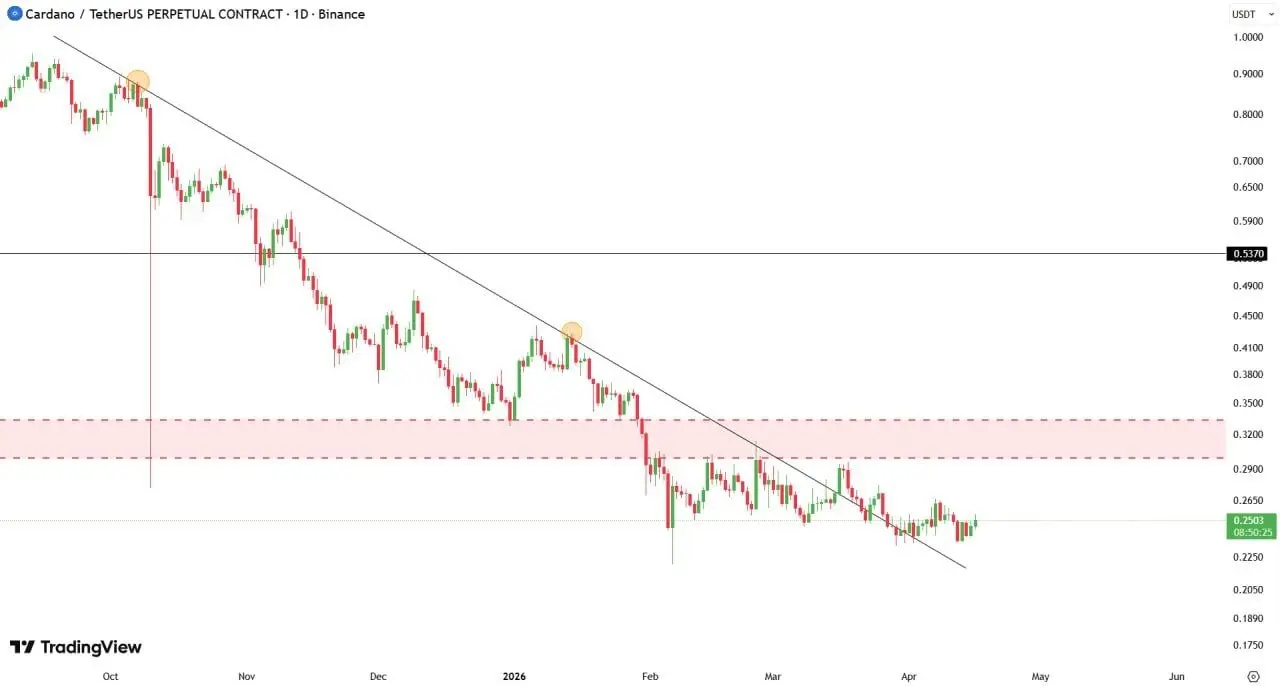
Until the price recovers above 0.30-0.32, treat it as a downtrend, and rebounds are more like selling points.
View Original
MarcusCorvinus
$ADA remains locked in a clean downtrend — structure hasn’t shifted yet.
Lower highs continue to print while price respects the descending trendline.
0.24–0.26 is holding as key support after the prolonged selloff, but pressure is building.
This is a classic compression zone.
A clean reclaim of 0.30–0.32 is required to flip momentum bullish and break the structure.
Until then, the trend favors either sideways grind or further downside.
Momentum is quiet… but not for long.
repost-content-media
  • Reward
  • Comment
  • Repost
  • Share
Whenever a new hot topic emerges, I get itchy hands. The attention economy really knows how to cut people: it's not that I can't understand it, but that I keep wanting to catch the “next wave” every time. Now that the funding rate is extreme, the group is again arguing whether it's a reversal or just more bubble squeezing. I usually turn off my emotions first: at times like these, I only do two things—clearly write down where the profits come from (real fees/subsidies/interest rate spreads), and also clarify what liquidity I rely on to exit. If I can't figure it out, I just pretend I didn't se
View Original
  • Reward
  • Comment
  • Repost
  • Share
I used to misunderstand: position management is just “go all in when you see it, cut the loss when you’re wrong,” but the moment the spot market pulls back, I start shaking and end up selling too early—then with futures, one wick-like needle stab and it blows up right in front of you… Now my understanding is just plain human language: first, lock in in writing the “maximum how much you could lose,” then decide how big to open the position—don’t let one bout of emotion wipe your account to zero.
Recently, there’s also a whole lot of talk about AI Agent/automated trading that sounds really mys
View Original
  • Reward
  • Comment
  • Repost
  • Share
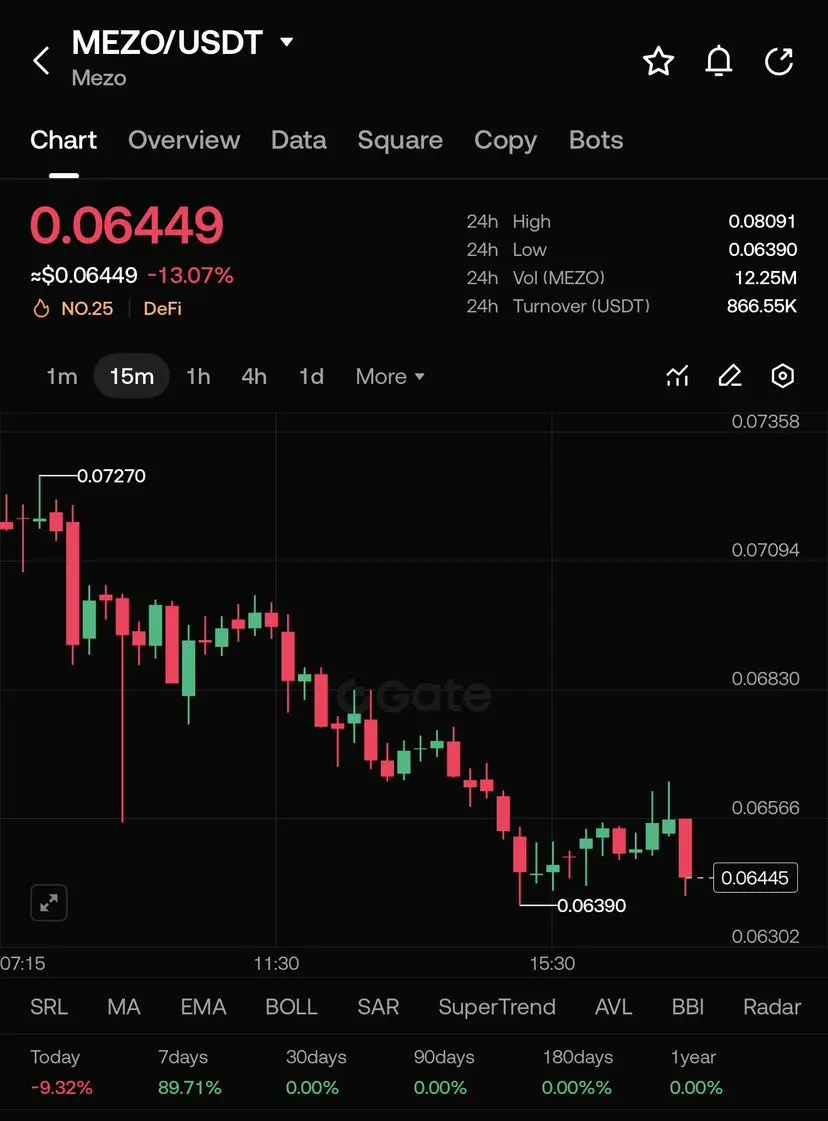
I am more concerned about the reaction level around 0.0615; if it breaks through directly, then 0.0585 is very likely to be tested.
View Original
LedgerBull
$MEZO showing continued downside pressure with weak recovery attempts.
Structure remains bearish with sellers in control.
EP
0.06550 - 0.06750
TP
TP1
0.06350
TP2
0.06150
TP3
0.05850
SL
0.06950
Recent move cleared liquidity below and price is failing to reclaim prior support. Any bounce into the entry zone looks like a reaction into supply, with structure favoring continuation as long as lower highs persist.
Let’s go $MEZO ‌
repost-content-media
  • Reward
  • Comment
  • Repost
  • Share
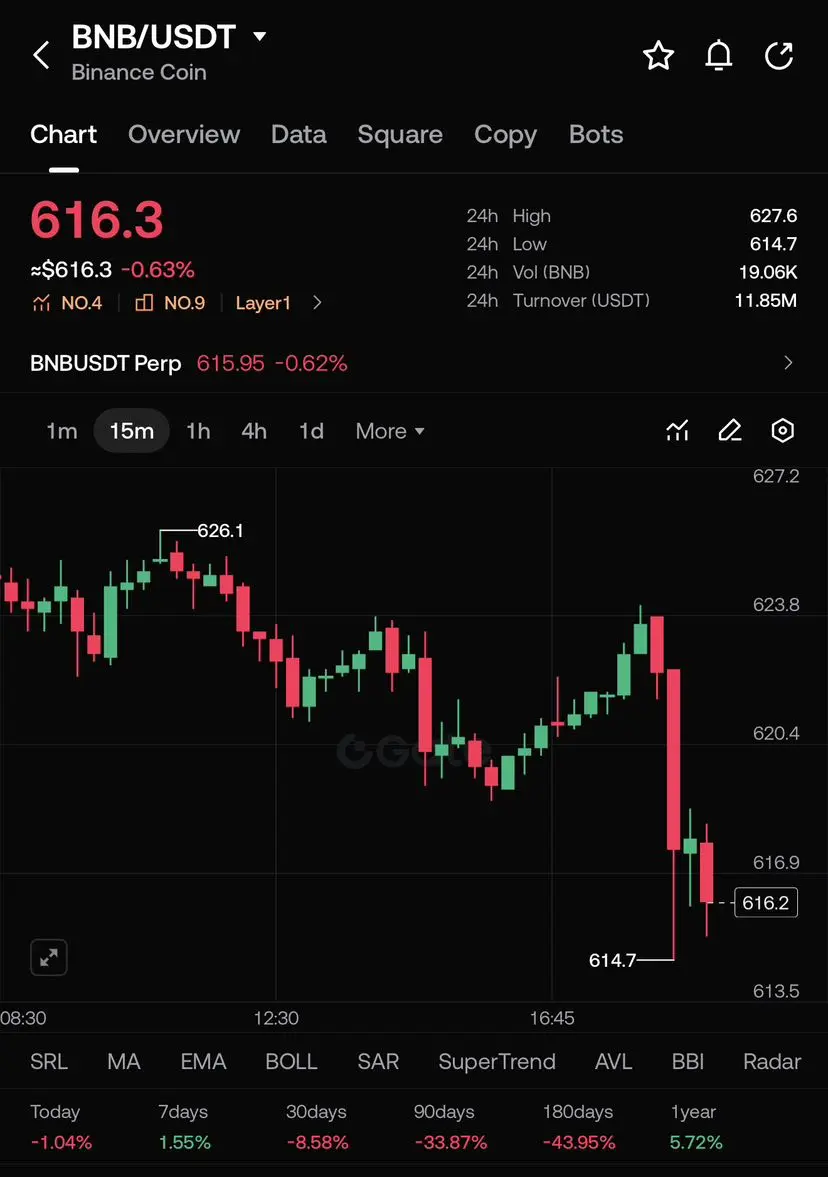
It's really not attractive to chase this position; I prefer to wait for a pullback to confirm.
View Original
LedgerBull
$BNB showing rejection from local highs with momentum turning bearish.
Sellers in control as structure shifts lower on intraday timeframes.
EP
617 - 622
TP
TP1 610
TP2 600
TP3 585
SL
628
Liquidity above 625 was tapped before a sharp sell-off, confirming rejection and distribution. Weak bounce attempts and continued lower highs suggest downside continuation unless price reclaims resistance.
Let’s go $BNB ‌
repost-content-media
  • Reward
  • Comment
  • Repost
  • Share
  • Pin