EagleEye

vip
Age 1.7 Yıl
Peak Tier 5
No content yet
#Gate13thAnniversary 💥 “No glitches, no downtime—just a confirmed meeting in the future block.
  • Reward
  • 4
  • Repost
  • Share
Miss_1903:
LFG 🔥
View More
#Gate13thAnniversary Set the timestamp… 13 years later, we validate this moment together
  • Reward
  • 2
  • Repost
  • Share
GateUser-68291371:
Hold tight 💪
View More
#Gate13thAnniversary Through every market cycle, every upgrade—we’ll sync again at year 13
  • Reward
  • 2
  • Repost
  • Share
GateUser-68291371:
Jump in 🚀
View More
#Gate13thAnniversary Consider it immutable—13 years later, we meet at the same node
  • Reward
  • 2
  • Repost
  • Share
GateUser-68291371:
Jump in 🚀
View More
#Gate13thAnniversary No missed signals next cycle—this connection is stronger than any network consensus.
  • Reward
  • Comment
  • Repost
  • Share
#Gate13thAnniversary Locked in like a smart contract—13 years later, we execute without fail
  • Reward
  • Comment
  • Repost
  • Share
#Gate13thAnniversary See you at block #13Y—no delays, no reorgs, just pure destiny on-chain
  • Reward
  • 1
  • Repost
  • Share
MasterChuTheOldDemonMasterChu:
Steadfast HODL💎
#Gate13thAnniversary 13 years later, same block, same chain—let’s make sure our paths don’t fork this time
  • Reward
  • 1
  • Repost
  • Share
MasterChuTheOldDemonMasterChu:
Steadfast HODL💎
#CryptoMarketSeesVolatility
🔥🚨 EXPLOSIVE GLOBAL SHAKEUP: Geopolitics, Crypto Surge, Regulation Breakthrough, DeFi Crisis Response & AI Price War Collide 🚨🔥

📢 Gate Square Daily | April 27
Geopolitics: Iran’s foreign minister has reportedly delivered ceasefire terms to Pakistan, signaling a potentially important diplomatic development in a region often shaped by complex and sensitive geopolitical dynamics. While details of the proposal remain limited, such communication suggests an effort to stabilize tensions and open channels for negotiation, which could influence broader regional secu
BTC-0,37%
AAVE1,14%
post-image
post-image
  • Reward
  • 1
  • Repost
  • Share
AylaShinex:
2026 GOGOGO 👊
#TopCopyTradingScout Copy trading has changed the way many traders approach the market. Not everyone has the time, experience, or emotional discipline to monitor charts every hour, manage entries, or react quickly to volatility. That’s where top copy trading scouts become valuable. Finding skilled traders with a proven strategy is no longer just about high ROI screenshots — it’s about consistency, risk management, and long-term sustainability. When I analyze a trader for copy trading, the first thing I focus on is not profit percentage, but trading behavior. A trader with stable risk contro
Yusfirah
#TopCopyTradingScout
Copy trading has changed the way many traders approach the market. Not everyone has the time, experience, or emotional discipline to monitor charts every hour, manage entries, or react quickly to volatility. That’s where top copy trading scouts become valuable. Finding skilled traders with a proven strategy is no longer just about high ROI screenshots — it’s about consistency, risk management, and long-term sustainability.
When I analyze a trader for copy trading, the first thing I focus on is not profit percentage, but trading behavior. A trader with stable risk control, disciplined entries, and controlled drawdowns often performs better over time than someone chasing aggressive short-term gains. Many traders get attracted by huge gains, but they ignore how much risk was taken to achieve them. That’s a dangerous mistake.
The real strength of copy trading is leveraging experience. Instead of entering the market blindly, you align yourself with traders who understand momentum, trend reversals, liquidity zones, and market psychology. But choosing the right trader is the most important step. A strong trading history, transparent strategy, and consistent execution matter far more than temporary winning streaks.
My personal advice for traders exploring copy trading is simple: never treat it as passive income without analysis. Study the trader you want to copy. Check their win ratio, average holding time, risk exposure, and how they perform during market crashes. A trader who survives bearish conditions usually has stronger market understanding than someone who only performs in bullish rallies.
Risk allocation is equally important. Never allocate all your capital to one trader. Diversification in copy trading can protect your portfolio. Splitting capital across multiple strategies reduces dependency on one market style. Some traders are strong in scalping, while others perform better in swing trades. Balance matters.
Market conditions are evolving fast, especially in crypto where volatility creates both opportunity and danger. Copy trading can be a powerful tool for beginners and experienced investors, but success depends on selecting quality over hype. In this market, smart capital follows smart strategy — not emotions.
My view is that copy trading is no longer just a beginner feature. It has become a strategic investment tool for people who want exposure to professional trading without spending years mastering every market cycle. But remember, the best copy trader is not always the one making the biggest profit today — it’s the one who can still protect capital tomorrow.

repost-content-media
  • Reward
  • 3
  • Repost
  • Share
MasterChuTheOldDemonMasterChu:
Steadfast HODL💎
View More
#加密市场行情震荡 The Convergence Era: Traditional Finance Meets Digital Assets 2026 is shaping up as a defining year for financial markets as traditional finance institutions deepen their involvement in digital assets. What was once viewed as a separate industry is now becoming part of mainstream global finance. Banks, asset managers, payment companies, hedge funds, and pension funds are increasingly integrating blockchain-based assets into their long-term strategies. This shift is not temporary curiosity. It reflects the growing belief that digital assets and blockchain infrastructure will remain
BTC-0,37%
Falcon_Official
#加密市场行情震荡
The Convergence Era: Traditional Finance Meets Digital Assets
2026 is shaping up as a defining year for financial markets as traditional finance institutions deepen their involvement in digital assets. What was once viewed as a separate industry is now becoming part of mainstream global finance. Banks, asset managers, payment companies, hedge funds, and pension funds are increasingly integrating blockchain-based assets into their long-term strategies. This shift is not temporary curiosity. It reflects the growing belief that digital assets and blockchain infrastructure will remain a permanent part of the modern financial system.
Institutional Capital Flows Reshaping Markets
The approval and expansion of spot Bitcoin ETFs changed how institutions access crypto exposure. Instead of managing wallets, private keys, and exchange risk directly, institutions can now gain regulated access through familiar investment vehicles. This has attracted new pools of capital and changed Bitcoin’s market behavior.
Large asset managers have increasingly used market pullbacks as accumulation opportunities, signaling a more strategic approach than retail momentum trading. The presence of institutions has also improved liquidity, increased daily turnover, and strengthened confidence among traditional investors who previously stayed on the sidelines.
As institutional participation grows, Bitcoin is increasingly viewed not only as a speculative asset, but also as a macro hedge, portfolio diversifier, and long-term store of value.
Beyond Bitcoin: Tokenized Real-World Assets
The next major phase of adoption is moving beyond cryptocurrency exposure into tokenized real-world assets. Institutions are exploring blockchain-based versions of treasury products, bonds, real estate, private credit, and equity instruments.
This shift matters because tokenization can improve settlement speed, transparency, fractional ownership, and accessibility. Assets that were previously slow, expensive, or difficult to transfer may become more efficient through blockchain rails.
Many institutions now see tokenized assets as one of the largest long-term opportunities in finance because they combine the reliability of traditional assets with the efficiency of digital infrastructure.
Regulatory Clarity Accelerating Adoption
One of the biggest barriers to institutional adoption was regulatory uncertainty. That environment is changing rapidly. Clearer frameworks for stablecoins, custody, trading platforms, and market structure are encouraging traditional finance firms to move forward with greater confidence.
The United States, Europe, Asia, and the Middle East are all advancing digital asset rules that provide clearer standards for participation. This regulatory progress is reducing hesitation among large investors and enabling cross-border growth.
For institutions, legal clarity is often more important than market hype. As rules become clearer, participation becomes easier.
Stablecoins Becoming Settlement Infrastructure
Stablecoins are increasingly evolving into practical financial tools rather than niche crypto instruments. Businesses now recognize their value in payments, treasury management, and global transfers.
Key advantages include:
Faster international settlement
Lower transaction costs
24/7 transfer capability
Reduced banking friction
Greater transparency
Many corporations are now testing or deploying stablecoin solutions for supplier payments, internal transfers, and treasury efficiency. Traditional banks are also exploring hybrid systems where existing compliance frameworks remain in place while blockchain improves settlement speed.
This may become one of the most transformative blockchain use cases over the next decade.
Derivatives and Institutional Risk Management
Crypto derivatives markets are also maturing quickly. Futures, options, structured products, and hedging tools now allow institutions to manage risk using methods already common in traditional finance.
This has changed the profile of market participants. Instead of only directional speculation, more capital now enters markets for hedging, basis trading, volatility strategies, and portfolio balancing.
As a result, crypto markets increasingly resemble traditional financial markets in structure and sophistication.
Market Behavior Is Changing
Institutional involvement has changed how crypto markets trade:
Bid-ask spreads are tighter
Liquidity is deeper
Price inefficiencies close faster
Macro news has greater impact
Correlation with risk assets has increased
Markets that once moved mainly on retail sentiment now react more strongly to interest rates, inflation data, geopolitical events, and broader portfolio flows.
This does not eliminate volatility, but it changes its source.
Custody and Infrastructure Maturity
Institutions require professional infrastructure before allocating serious capital. That infrastructure now includes:
Multi-signature custody systems
Insurance-backed storage solutions
Compliance reporting tools
Institutional-grade execution systems
Real-time analytics and audits
Blockchain networks are also improving with faster settlement, lower fees, stronger uptime, and enterprise-focused capabilities.
These improvements make digital assets more compatible with institutional standards.
AI and Blockchain Integration
Another emerging theme is the combination of artificial intelligence with blockchain systems. Institutions are beginning to explore:
AI-powered trading models
Automated compliance monitoring
Smart treasury systems
Predictive risk analysis
Autonomous payment execution
As AI systems require trusted data and transparent execution, blockchain can provide the settlement and verification layer.
The Future Outlook
The line between traditional finance and digital finance is fading. Over time, markets may move toward a unified model where:
Tokenized assets trade globally
Stablecoins power cross-border transfers
Traditional banks integrate blockchain rails
DeFi tools merge with regulated finance
Digital custody becomes standard
This transition may happen gradually, but momentum is already visible.
Final Thoughts
The integration of traditional finance into digital assets is no longer a theory. It is an active structural transformation happening in real time. Institutional capital, regulation, infrastructure, and technology are all moving in the same direction.
The future may not be TradFi versus crypto.
It may simply be one global financial system powered by both.
#CryptoMarkets #InstitutionalAdoption #BitcoinETF #Tokenization
repost-content-media
  • Reward
  • 2
  • Repost
  • Share
AylaShinex:
2026 GOGOGO 👊
View More
#WCTCTradingKingPK WCTCTradingKingPK – Real Trading Performance is Built, Not Claimed In competitive trading environments like WCTC, most participants misunderstand what actually decides success. It is not hype. It is not random profit spikes. It is not emotional “all-in” trades. Real performance is built on structure, discipline, and execution under pressure. What Actually Matters in PK Trading Battles In 1v1 trading competitions, every decision is amplified. One mistake can erase hours of progress. Key factors that define winners: Risk management consistency Controlled position sizing
DragonFlyOfficial
#WCTCTradingKingPK
WCTCTradingKingPK – Real Trading Performance is Built, Not Claimed
In competitive trading environments like WCTC, most participants misunderstand what actually decides success.
It is not hype.
It is not random profit spikes.
It is not emotional “all-in” trades.
Real performance is built on structure, discipline, and execution under pressure.
What Actually Matters in PK Trading Battles
In 1v1 trading competitions, every decision is amplified. One mistake can erase hours of progress.
Key factors that define winners:
Risk management consistency
Controlled position sizing
Entry timing precision
Emotional discipline under pressure
Ability to avoid overtrading
Most traders don’t lose because their idea is wrong — they lose because their execution is unstable.
The Hidden Truth Most Traders Ignore
When rankings are visible in real-time, psychology becomes your biggest enemy.
You will face:
Pressure to recover losses quickly
Temptation to overleverage after wins
Fear of missing fast market moves
Comparison with other traders’ results
And this is where most accounts get destroyed — not by the market, but by decisions made under emotional stress.
What Separates Winners from Participants
Winning traders in competitive environments don’t focus on:
Maximum profit per trade
Aggressive entries
Random high-risk setups
Instead, they focus on:
Survival first
Capital protection always
High-probability setups only
Consistent execution systems
In trading competitions, consistency beats aggression every time.
Final Reality Check
The biggest misconception is thinking that trading competitions are about “who makes the most money fastest.”
In reality:
It is about who loses the least while staying consistent long enough to rank.
That is the edge most people never build.
Risk Warning
Trading in crypto markets and competitive environments carries high financial risk. Volatility, leverage, and emotional decision-making can lead to significant losses. No strategy guarantees profit. Always manage risk responsibly and avoid overexposure.
repost-content-media
  • Reward
  • 2
  • Repost
  • Share
MasterChuTheOldDemonMasterChu:
Steadfast HODL💎
View More
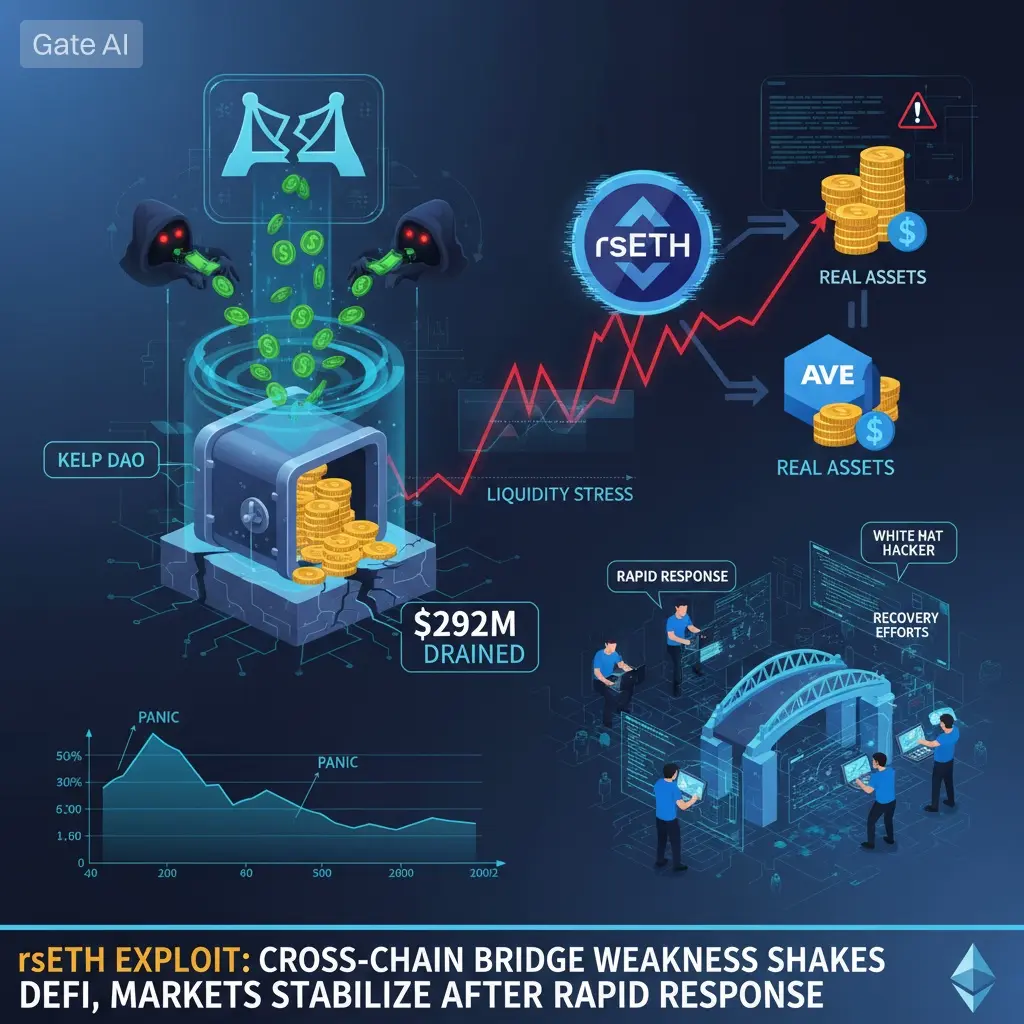
#rsETHAttackUpdate A Defining Shock for DeFi in 2026 The rsETH exploit on April 18, 2026, didn’t just hit one protocol—it exposed a critical structural weakness across the entire decentralized finance ecosystem. What initially appeared to be an isolated bridge issue quickly evolved into a systemic liquidity crisis affecting lending markets, restaking protocols, and cross-chain infrastructure. At the center of this crisis was Kelp DAO, which suffered a devastating loss of approximately $292 million, making it the largest DeFi exploit of 2026 so far. The attackers drained 116,500 rsETH tokens
ETH-0,64%
AAVE1,14%
ARB-4,41%
HighAmbition
#rsETHAttackUpdate
A Defining Shock for DeFi in 2026
The rsETH exploit on April 18, 2026, didn’t just hit one protocol—it exposed a critical structural weakness across the entire decentralized finance ecosystem. What initially appeared to be an isolated bridge issue quickly evolved into a systemic liquidity crisis affecting lending markets, restaking protocols, and cross-chain infrastructure.
At the center of this crisis was Kelp DAO, which suffered a devastating loss of approximately $292 million, making it the largest DeFi exploit of 2026 so far. The attackers drained 116,500 rsETH tokens, representing nearly 18% of the total circulating supply, immediately destabilizing confidence in liquid restaking assets.
Root Cause: Not a Smart Contract Bug, But Infrastructure Failure
Unlike many previous exploits, this attack did not originate from a flaw in smart contracts or lending logic. Instead, it targeted a weaker layer—cross-chain communication infrastructure powered by LayerZero Version 2.
The most critical vulnerability was the 1-of-1 verifier setup, meaning only a single validator was responsible for confirming cross-chain messages. This created a dangerous single point of failure in an otherwise decentralized system.
Step-by-Step Attack Breakdown
The attack was highly coordinated and executed with precision:
Attack initiated at Ethereum block 24,908,285
Target: Bridge route between Unichain and Ethereum
Attackers compromised two RPC nodes
Malicious software replaced legitimate node infrastructure
Simultaneous denial-of-service attacks disabled clean nodes
System was forced to rely on compromised data feeds
This allowed attackers to forge a fake cross-chain message, tricking the bridge into releasing real assets on Ethereum without any backing.
The result:
➡️ 116,500 rsETH minted out of thin air
➡️ Sent directly to attacker-controlled wallets
➡️ Logs erased, malware self-deleted
This wasn’t just hacking—it was infrastructure manipulation at a deep level.
Exploitation Phase: Turning Fake Assets Into Real Liquidity
Once the attackers had unbacked rsETH, they moved rapidly to extract value.
They deposited around 89,567 rsETH into lending protocols like Aave V3, primarily on Ethereum and Arbitrum.
From there, they borrowed:
~82,650 WETH
Additional wstETH positions
Total borrowed value: ~$236 million
These positions were engineered with extremely tight health factors (1.01–1.03), making liquidation difficult and prolonging systemic stress.
Immediate Market Reaction: Liquidity Crisis Unfolds
Although Aave was not directly hacked, it became the primary shock absorber.
Key Impacts:
100% utilization reached in multiple WETH pools
Borrow rates adjusted downward to stabilize liquidity
rsETH collateral frozen across 11 deployments
Loan-to-value (LTV) ratios set to zero
This triggered a cascade:
Massive withdrawals across DeFi
Total Value Locked (TVL) dropped $5B–$10B+
“Bank-run” behavior spread across protocols
A notable withdrawal of ~$154 million, reportedly linked to Justin Sun, intensified panic sentiment.
Price Impact Across the Market
Ethereum (ETH)
Dropped 2%–3.7%
Traded near $2,300–$2,380
Decline driven by sentiment and liquidity stress—not protocol failure
Bitcoin (BTC)
Held relatively stable around $78,980
Acted as a risk-off safe haven within crypto
AAVE Token
Fell 16%–20%
Traded between $95–$105
Reflected direct exposure to lending ecosystem risk
Bad Debt Scenarios: Systemic Risk Quantified
Analysts modeled multiple outcomes:
Scenario 1: Distributed Loss Model
Bad debt: ~$123.7 million
Implies ~15% depeg in rsETH
Scenario 2: Isolated L2 Loss Model
Bad debt: ~$230 million
Severe impact on:
Arbitrum: up to 27% shortfall
Base: ~23%
Mantle: extreme cases up to 71%
Aave-specific exposure
Estimated between $177M–$200M
Rapid Response: DeFi Coordination in Action
Despite the scale of the attack, response speed was critical.
Kelp DAO Actions
Emergency pause activated within 46 minutes
Prevented additional $95M–$100M loss
Halted minting and bridging
Recovery Efforts – “DeFi United”
Industry-wide collaboration to restore backing
Key contributions:
Arbitrum recovered 30,000+ ETH
Mantle proposed 30,000 ETH credit facility
Aave DAO considered 25,000 ETH support
Contributions from Lido, EtherFi, Golem Foundation
Total pledged: ➡️ 43,500+ ETH (~$100M+)
Security Attribution and Investigation
Lazarus Group was identified with high confidence as the attacker.
This aligns with previous high-profile crypto exploits, reinforcing a growing trend:
➡️ Nation-state actors targeting DeFi infrastructure
➡️ Focus shifting from smart contracts to off-chain systems
Key Lessons for DeFi and Cross-Chain Systems
This exploit revealed several critical weaknesses:
1. Single Verifier = Systemic Risk
Decentralization must extend beyond smart contracts into validation layers.
2. RPC Node Security is Critical
Attackers didn’t break code—they corrupted data sources.
3. Cross-Chain Complexity Multiplies Risk
Operating across 20+ chains introduces exponential attack surfaces.
4. Liquidity Layer is Fragile
Even safe protocols like Aave can face stress under extreme conditions.
Market Psychology: Fear, Liquidity, and Trust
The exploit triggered three key psychological phases:
Shock Phase – Immediate panic and withdrawals
Liquidity Crunch – Borrowing pressure and frozen markets
Stabilization – Governance actions and recovery pledges
Interestingly, no widespread retail wallet losses occurred. The damage was protocol-level, not user-level—an important distinction that helped prevent deeper panic.
Current Status (Late April 2026)
Gradual unfreezing of assets underway
Governance votes determining final loss distribution
rsETH partially stabilized but still under scrutiny
Security upgrades being implemented across bridges
Forward Outlook: What Comes Next?
Short-Term
Continued volatility in ETH-linked assets
Tight liquidity conditions persist
DeFi TVL recovery will be gradual
Mid-Term
Mandatory multi-verifier bridge standards
Increased audits of infrastructure layers
Higher risk premiums on restaking assets
Long-Term
Stronger, more resilient cross-chain systems
Institutional confidence returns with safeguards
DeFi evolves toward security-first architecture
Final Takeaway
The rsETH exploit was not just another hack—it was a stress test for the entire DeFi ecosystem.
Despite:
$292M drained
$200M+ bad debt risk
Billions in liquidity shifts
The system did not collapse.
Instead, it coordinated, adapted, and began recovery.
That’s the real story here:
➡️ DeFi is fragile—but resilient
➡️ Interconnected—but responsive
➡️ Risky—but evolving fast
repost-content-media
  • Reward
  • 2
  • Repost
  • Share
HighAmbition:
that's great news
View More
#美伊谈判陷入僵局 The US-Iran negotiations have collapsed! Global inflation alerts have sounded, and the world economy is entering a critical turning point The storm in the Strait of Hormuz is reigniting. What will happen to oil prices, stock markets, and supply chains? According to the latest official news, negotiations between the US and Iran scheduled for this weekend have been officially canceled. This high-stakes game in the Middle East, which has been gripping global nerves, has once again fallen into a deadlock. As of Beijing time April 26, 2026, this round of US-Iran conflict has lasted near
Ryakpanda
#美伊谈判陷入僵局 The US-Iran negotiations have collapsed! Global inflation alerts have sounded, and the world economy is entering a critical turning point
The storm in the Strait of Hormuz is reigniting. What will happen to oil prices, stock markets, and supply chains?
According to the latest official news, negotiations between the US and Iran scheduled for this weekend have been officially canceled. This high-stakes game in the Middle East, which has been gripping global nerves, has once again fallen into a deadlock.
As of Beijing time April 26, 2026, this round of US-Iran conflict has lasted nearly two months. The blockade of shipping in the Strait of Hormuz and the continuous surge in energy prices are transmitting through the global industrial chain layer by layer. A profound shift concerning inflation, growth, and the global economic order has already begun.
Negotiations have completely cooled off, core conflicts remain unresolved, and both sides are stuck in a dilemma
On Saturday local time, US President Trump explicitly announced the cancellation of the scheduled trip of Special Envoy Witkov and his son-in-law Kushner to Pakistan for negotiations with Iran. Earlier that day, Iranian Foreign Minister Araghchi had finished his visit to Pakistan and headed to Oman. Iran explicitly stated that Araghchi’s trip was never arranged for talks with the US side. From the outset, this negotiation was doomed to fail, rooted in a severe lack of mutual trust and three major irreconcilable core disagreements: control of the Strait of Hormuz, the direction of Iran’s nuclear program, and the conditions for lifting sanctions on Iran. More pragmatic difficulties have pushed this game into a deadlock where “neither side can afford to step back.”
For the US, soaring oil prices have triggered domestic inflation backlash, compounded by political pressure from mid-term elections, making it unwilling to allow the conflict to escalate indefinitely or make substantial concessions in negotiations; for Iran, two months of ongoing conflict have caused damage to domestic infrastructure and significant consumption of strategic resources, yet it remains unwilling to compromise on core sovereignty and interests.
Under this tug-of-war, global market uncertainty is being amplified infinitely.
Energy prices surge, igniting inflation. The IMF warns: global inflation rate will rise to 4.4%. The most immediate impact of the conflict has been in the energy market. As a key passage for nearly one-third of global crude oil shipping, the blockade of the Strait of Hormuz has directly caused a global crude oil supply shortage, with Brent crude approaching $120 per barrel.
The surge in energy prices is transmitting through the industrial chain without dead ends:
At the consumer level, in March, the US CPI energy component increased by 12.6% year-on-year, and the Eurozone Harmonized Consumer Price Index (HICP) energy component rose to 4.9% year-on-year, putting pressure on transportation, chemicals, and daily consumer goods prices;
At the production level, rising oil and gas prices have directly increased costs for fertilizers, agricultural products, and industrial goods. Urea prices in the Middle East surged 19%-28% in March. If the conflict continues, global fertilizer prices could rise another 15%-20%, directly threatening agricultural output in emerging markets and increasing global food security risks;
At the cross-border transmission level, imported inflation is spreading globally. Energy-importing countries in Asia like Japan and South Korea, and European industrial nations like Germany, are facing unprecedented cost pressures, eroding manufacturing competitiveness.
The latest IMF forecast issues a clear warning: in 2026, the global inflation rate will rise to 4.4%, up 0.3 percentage points from 2025. The global fight against inflation faces a major setback. The global economy is slowing down, with multiple risks intensifying. On the other hand, high inflation continues to exert pressure on economic growth. The IMF has sharply downgraded its 2026 global growth forecast from 3.3% to 3.1%. This conflict is exerting comprehensive pressure on the global economy through a “physical shock → price transmission → policy constraints” three-layer pathway.
The first layer, shipping blockade directly impacts trade flow. The blockade of the Strait of Hormuz has driven the Baltic Dry Index (BDTI) higher, systematically raising global logistics costs and severely damaging supply chain efficiency;
The second layer, cost diffusion, is squeezing economic vitality. Rising energy prices continue to spread to manufacturing and consumption, compressing corporate profits and weakening residents’ purchasing power, leading to synchronized declines in supply and demand;
The third layer, inflation constraints, is locking in monetary policy space. Under high inflation, global central banks are forced to delay rate cuts. Market expectations suggest the Fed may only be able to cut rates once in 2026. The absence of easing policies deprives the global economy of an important growth support.
More concerning is that behind the slowdown in growth, the fragility of the global economy is rapidly exposing itself: current account deficits in Japan, Southeast Asia, and other energy-importing countries are worsening; sovereign debt default risks in sub-Saharan Africa and other vulnerable economies are rising sharply; capital outflows from emerging markets are intensifying. The resilience of the global economy is under severe test.
Behind the V-shaped rebound in US stocks, market logic has completely changed
Amid the conflict, global capital markets have experienced highly dramatic swings. Since the outbreak of the US-Iran conflict, the US stock market has shown a V-shaped pattern: the S&P 500 initially fell more than 15%, but by mid-April 2026, it had fully recovered and hit a new all-time high, surpassing 7,000 points. This countertrend rally is not due to market ignoring risks but a complete shift in trading logic. Trump’s “maximum pressure — compromise” game, with his social media statements as the core “trigger,” has created arbitrage opportunities for algorithmic trading, but has not changed the resilience of the US stock market. Currently, the market has shifted from initial panic mode to a “risk re-pricing” phase.
For investors, two core directions are becoming clearer:
If subsequent ceasefire agreements are reached and oil prices stabilize, technology stocks and AI-related sectors are likely to lead a structural market rally again;
Be highly alert to the recurrence of geopolitical policies, avoiding overbetting on short-term news, especially guarding against the risk of deep corrections in high-valuation sectors like AI and tech in the US stock market if the conflict continues to escalate. The long-term shift has already begun. The global order is undergoing a profound reconstruction. The US-Iran conflict is not just about short-term oil price fluctuations and market volatility but also about a deep restructuring of global economic and political order, with three major long-term trends now irreversible.
First, the fundamental logic of the global supply chain has shifted from “efficiency first” over the past thirty years to “security first,” leading to a long-term rise in energy and logistics costs, and a complete rewriting of corporate globalization strategies;
Second, the hollowing out of US hegemony is further exposed. The foundation of the petrodollar is weakening, and Middle Eastern countries are accelerating the exploration of diversified energy settlement paths. The process of diversifying the global monetary system is gaining speed;
Third, global financial risks are continuously accumulating. Geopolitical uncertainties, high inflation and monetary policy constraints, and the correction pressures on overvalued assets are stacking up. Any loss of control in one link could trigger a chain reaction in global financial markets.
The storm in the Strait of Hormuz is not over, and the direction of the global economy is at a critical crossroads. Between growth, inflation, and security, policymakers worldwide need to find new balances. For us caught in this upheaval, understanding the trends and respecting risks are the keys to navigating the cycle.
repost-content-media
  • Reward
  • 3
  • Repost
  • Share
MasterChuTheOldDemonMasterChu:
Just charge forward 👊
View More
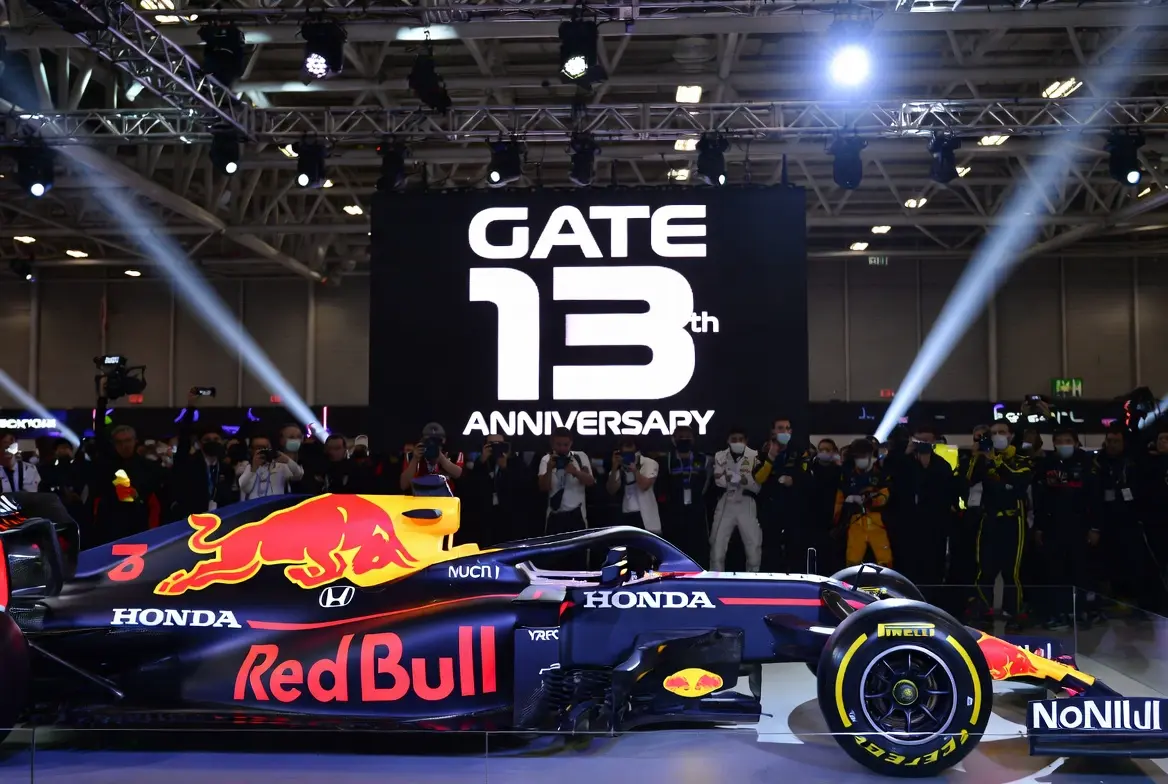
#Gate13thAnniversaryLive
🔥🚀 GATE 13TH ANNIVERSARY LIVE A GLOBAL CELEBRATION OF VISION, GROWTH, AND THE EVOLVING FUTURE OF DIGITAL FINANCE 🚀🔥

There are moments in any industry that go beyond routine updates or scheduled events, moments that carry a sense of scale, reflection, and forward momentum all at once. The 13th anniversary celebration of Gate.io feels exactly like that kind of moment. It is not simply a date on a timeline, nor is it just a symbolic milestone. It represents a journey that has moved through uncertainty, volatility, transformation, and continuous innovation in one of
post-image
post-image
post-image
post-image
post-image
post-image
post-image
post-image
  • Reward
  • 3
  • Repost
  • Share
SheenCrypto:
good information
View More
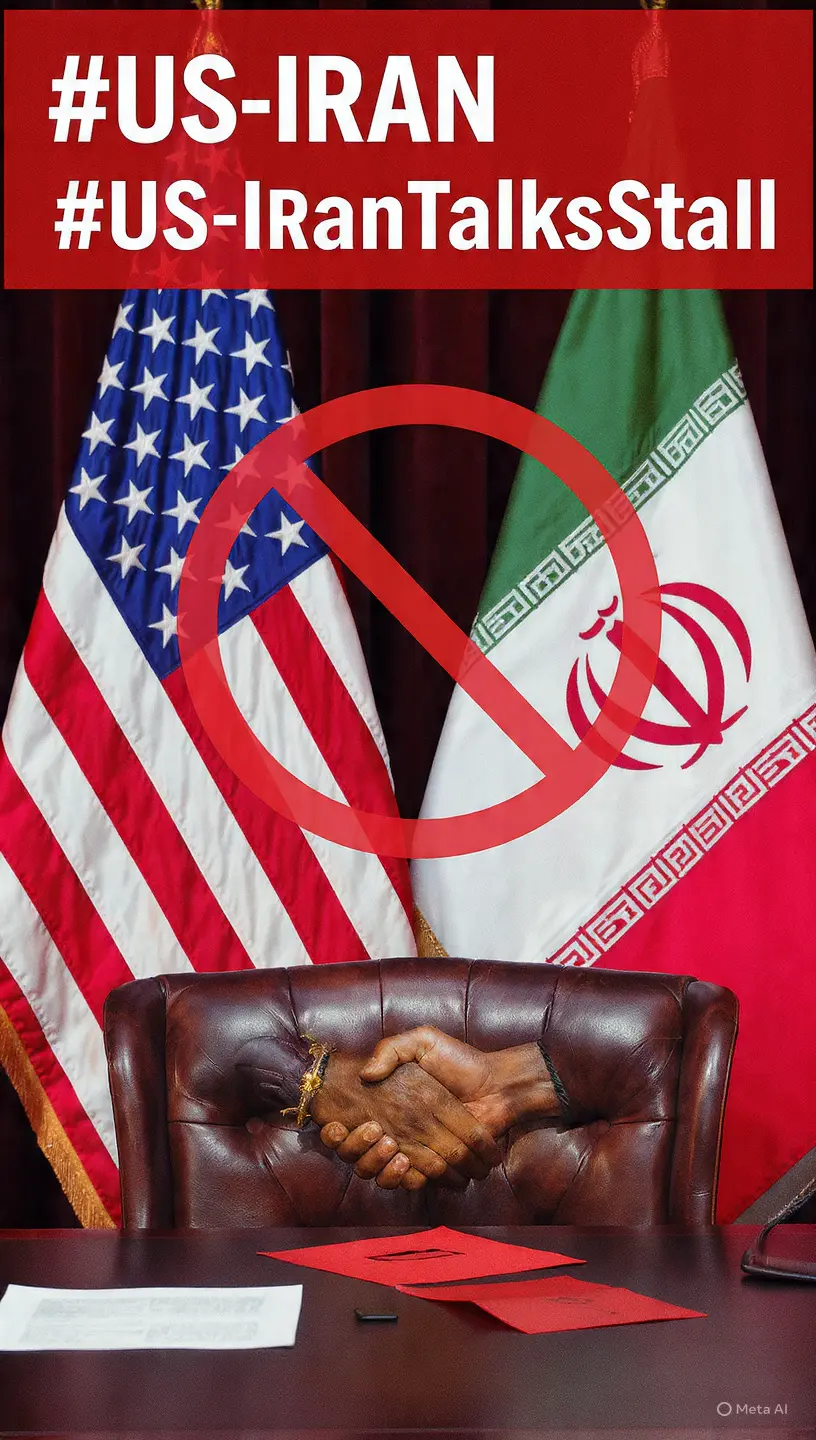
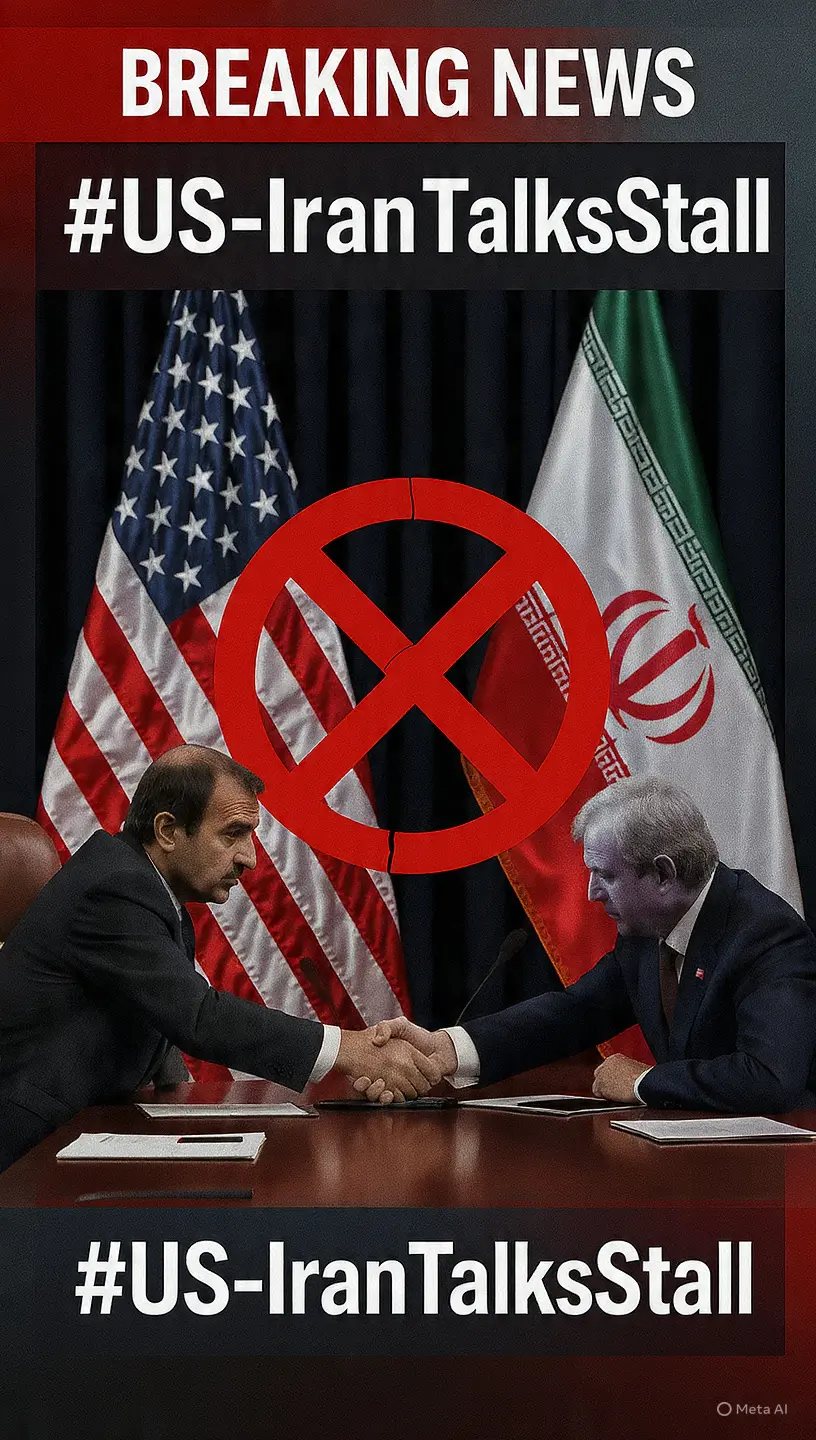
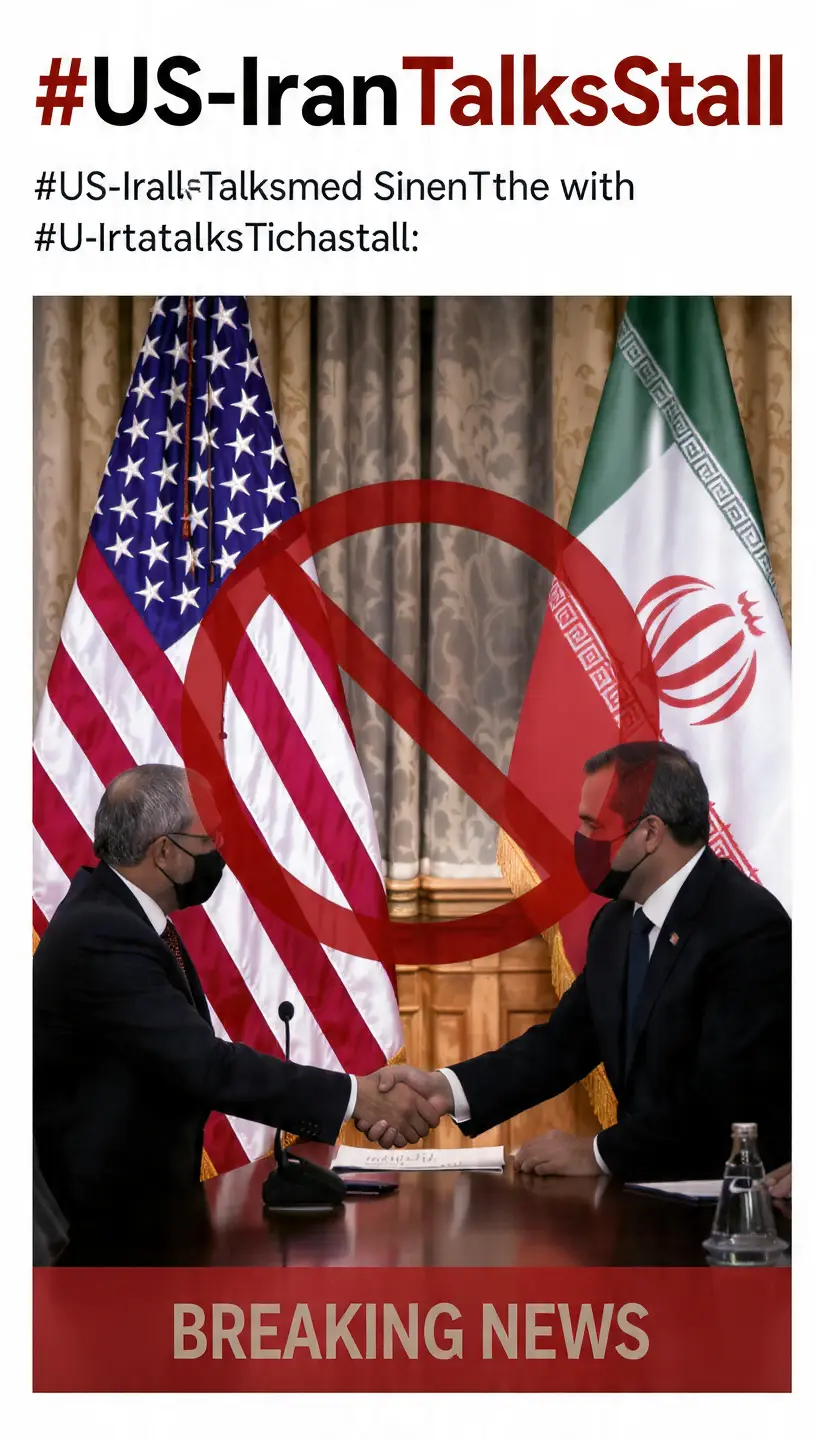
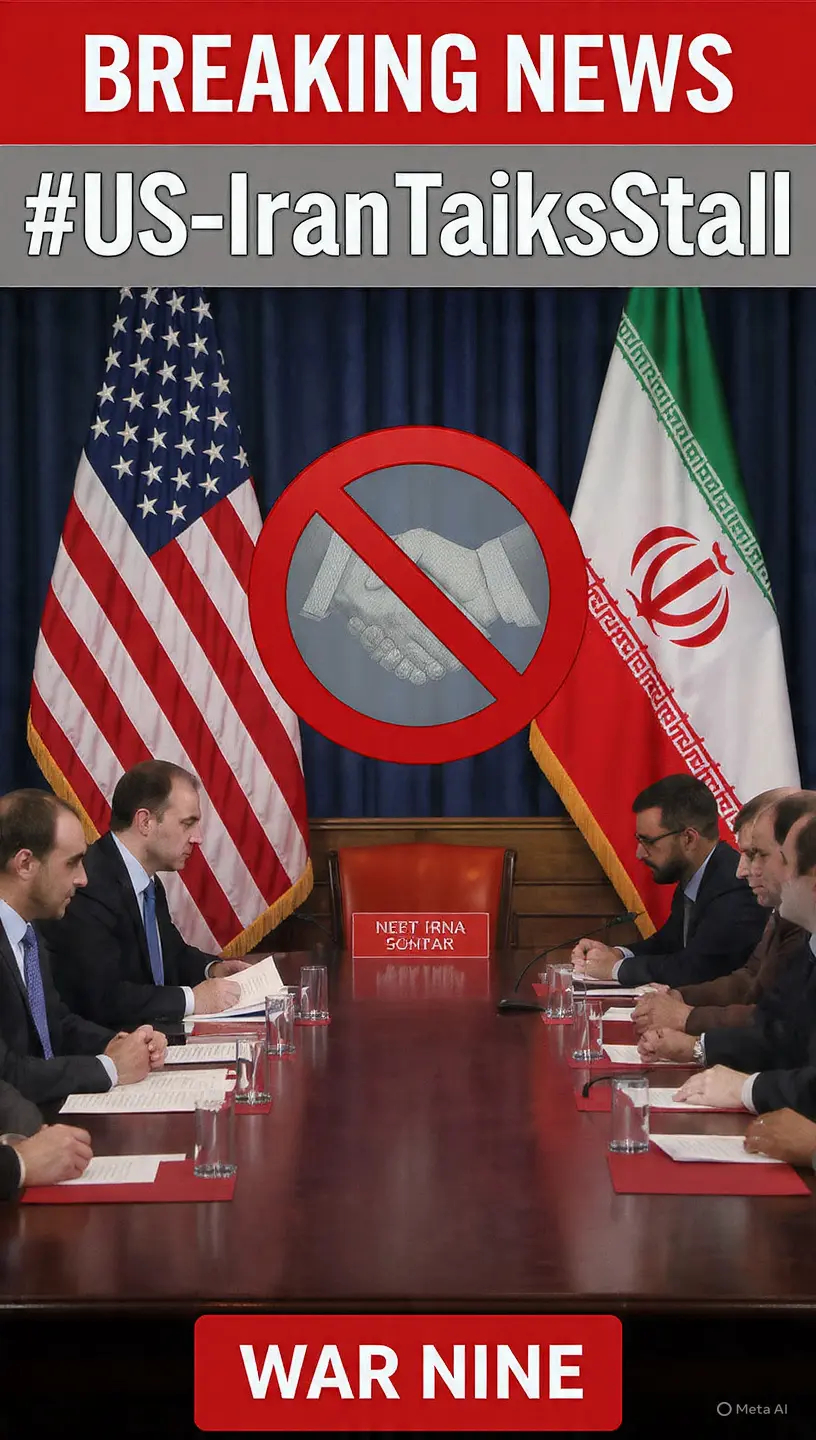
#US-IranTalksStall
🔥🌍 GLOBAL ALERT MIDDLE EAST TENSIONS ESCALATE, OIL MARKETS ON EDGE AND A DEFINING MOMENT FOR GLOBAL TRADERS 🌍🔥
The geopolitical temperature is rising again, and this time the signals are becoming harder to ignore. What we are witnessing right now between the United States and Iran is not just routine tension; it is a layered and strategic standoff that carries real implications for energy markets, global stability, and risk sentiment across all major asset classes. From military positioning to evacuation signals and increasingly stalled negotiations, the situation is ev
post-image
post-image
post-image
post-image
post-image
  • Reward
  • 1
  • Repost
  • Share
MasterChuTheOldDemonMasterChu:
Just charge forward 👊
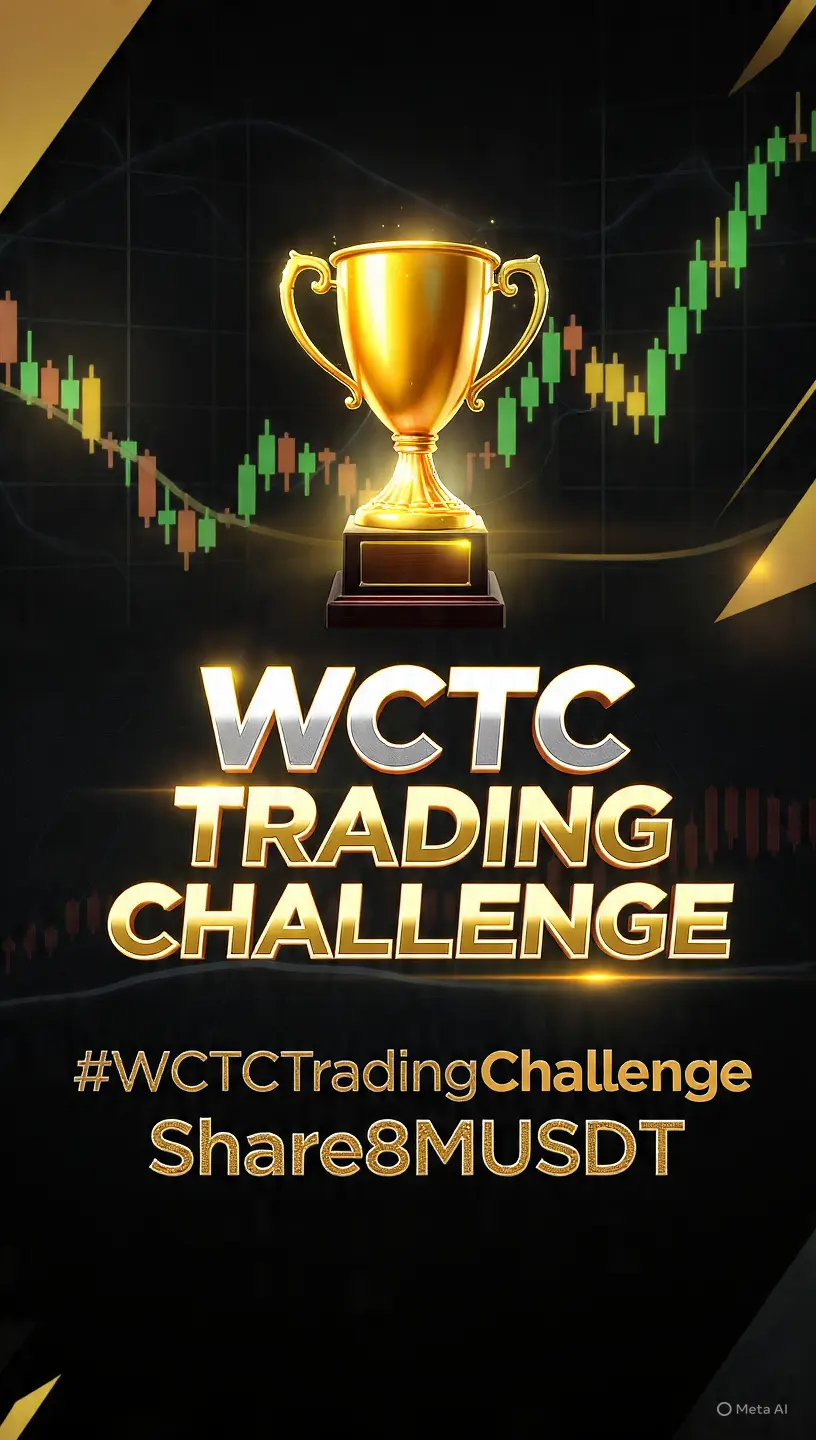
#WCTCTradingKingPK
🔥🚨 WCTC S8 GLOBAL BATTLEFIELD FROM STRATEGY TO SPOTLIGHT, TURN YOUR TRADING MINDSET INTO REAL POWER & REWARDS 🚨🔥
The moment has arrived.
Not just another campaign. Not just another event.
This is where competition meets opportunity.
This is where visibility meets performance.
And this is where your mindset, your ideas, and your presence can finally turn into something real.
Welcome to WCTC S8 on Gate.io — a space where trading is no longer limited to charts, entries, and exits… but expands into influence, recognition, and growth.
At its core, this event is not only abou
GT1,22%
post-image
post-image
post-image
post-image
post-image
post-image
post-image
post-image
  • Reward
  • 8
  • 3
  • Share
Crypto__iqraa:
excellent post
View More
🔹Ethereum price volatility may trigger major liquidations
343 views
2026-04-26 18:36
  • Reward
  • 1
  • Repost
  • Share
MasterChuTheOldDemonMasterChu:
Just charge forward 👊
🔹Stablecoins evolve into global financial infrastructure, a16z r
513 views
2026-04-26 17:43
  • Reward
  • 1
  • Repost
  • Share
MasterChuTheOldDemonMasterChu:
Just charge forward 👊
🔹ECB partners with standards bodies to build digital euro infras
808 views
2026-04-26 16:59
  • Reward
  • 2
  • Repost
  • Share
MasterChuTheOldDemonMasterChu:
Chong Chong GT 🚀
View More
  • Pin