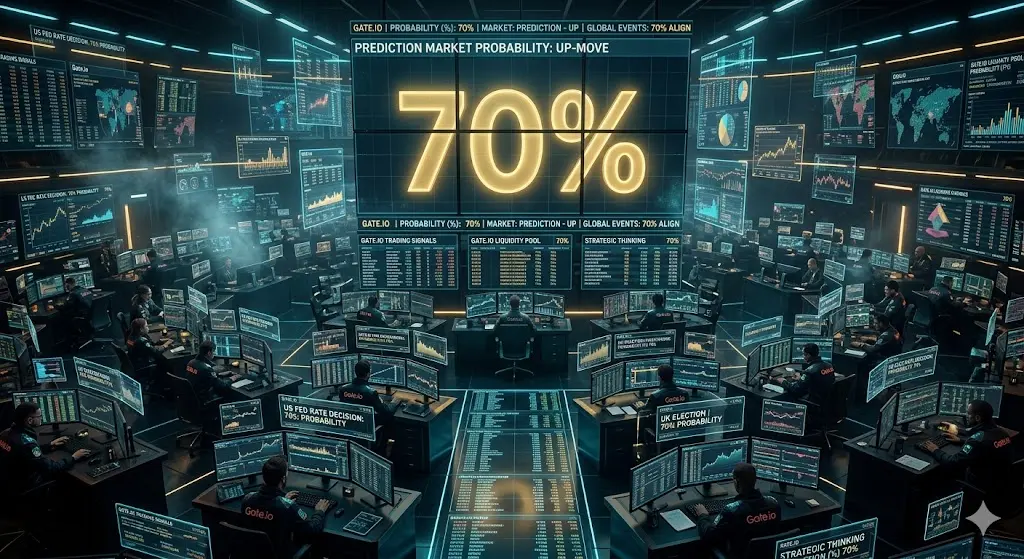
🔥 Gate × Polymarket Prediction Market is now live
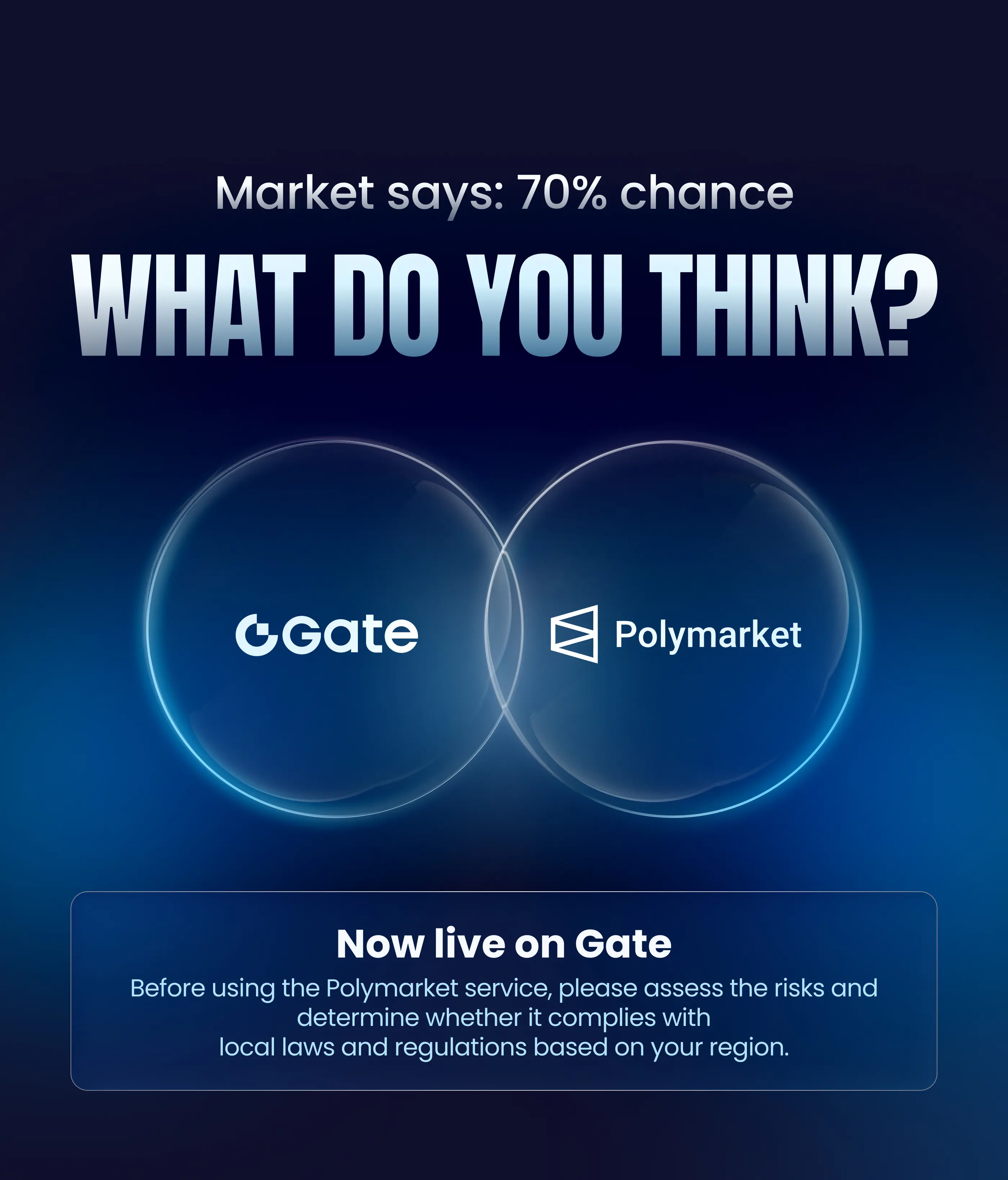
The market says: 70% chance
What do you think?
📊 It’s not just about price — it’s about probability
From crypto trends to global events, trade your perspective
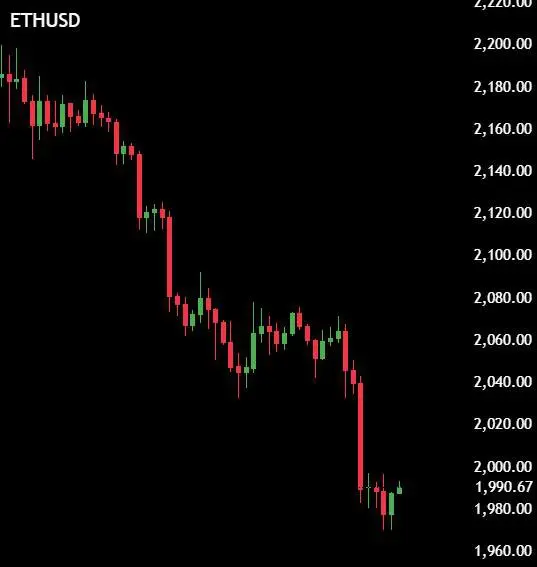
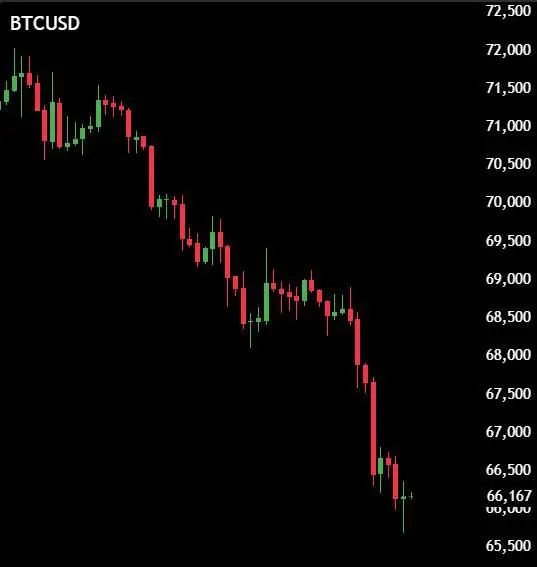
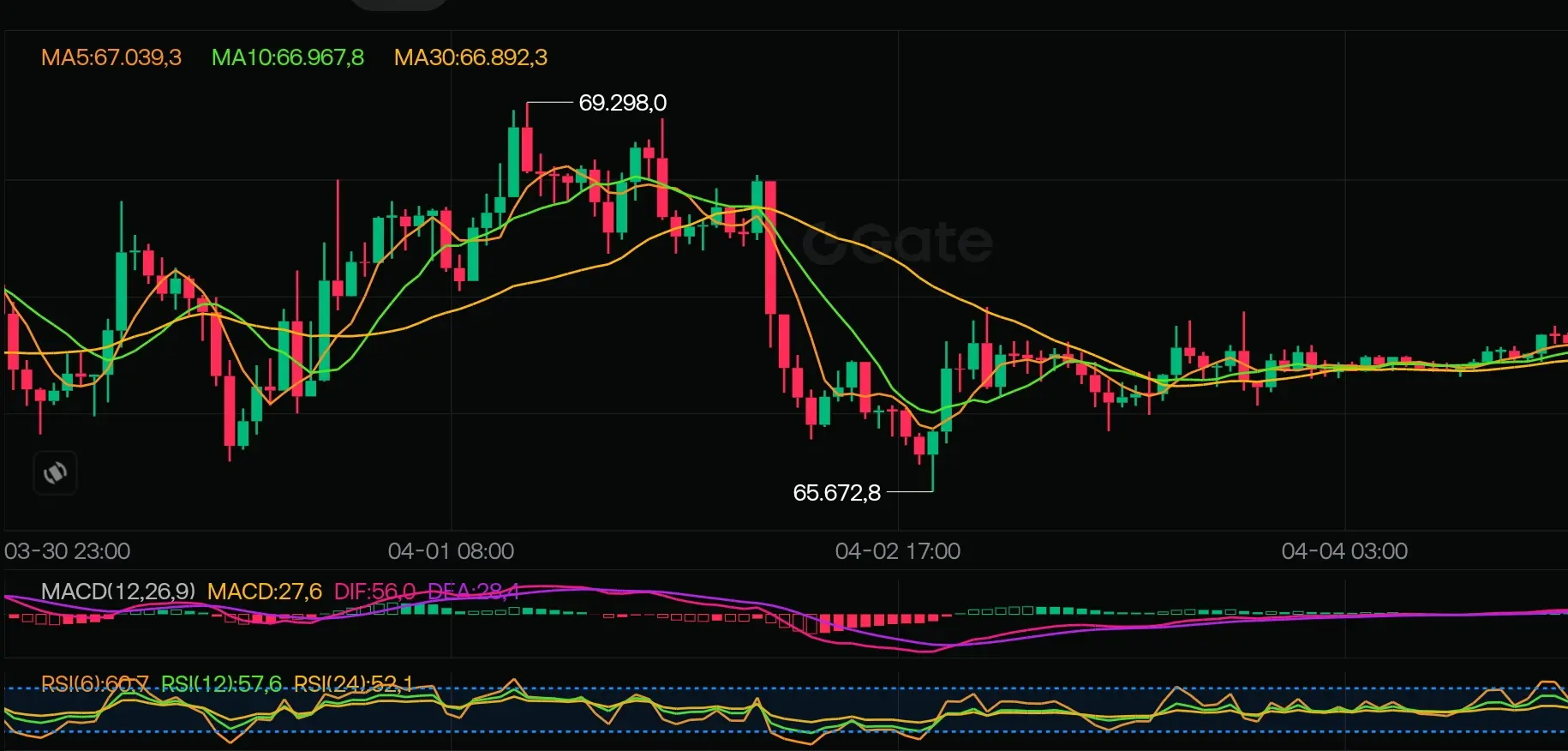
Move beyond charts and indicators
Turn information into actionable insights
No barriers to entry, easy to start
If you’re right, your judgment pays off instantly
⚠️ Before using Polymarket services, please assess risks based on your local regulations
👉 Join now: https://www.gate.com/campaigns/4339
#PredictionMarket #Gate #Polymarket #Crypto
The market says: 70% chance
What do you think?
📊 It’s not just about price — it’s about probability
From crypto trends to global events, trade your perspective
Move beyond charts and indicators
Turn information into actionable insights
No barriers to entry, easy to start
If you’re right, your judgment pays off instantly
⚠️ Before using Polymarket services, please assess risks based on your local regulations
👉 Join now: https://www.gate.com/campaigns/4339
#PredictionMarket #Gate #Polymarket #Crypto