

Trade
Basic
Futures
Futures
Hundreds of contracts settled in USDT or BTC
Options
HOT
Trade European-style vanilla options
Unified Account
Maximize your capital efficiency
Demo Trading
Futures Kickoff
Get prepared for your futures trading
Futures Events
Futures Mall
Participate in events to win generous rewards
Demo Trading
Use virtual funds to experience risk-free trading
Earn
Launch
CandyDrop
Collect candies to earn airdrops
Launchpool
Quick staking, earn potential new tokens
HODLer Airdrop
Hold GT and get massive airdrops for free
Launchpad
Be early to the next big token project
Alpha Points
NEW
Trade on-chain assets and enjoy airdrop rewards!
Futures Points
NEW
Earn futures points and claim airdrop rewards
Investment
Simple Earn
Earn interests with idle tokens
Auto-Invest
Auto-invest on a regular basis
Dual Investment
Buy low and sell high to take profits from price fluctuations
Soft Staking
Earn rewards with flexible staking
Crypto Loan
0 Fees
Pledge one crypto to borrow another
Lending Center
One-stop lending hub
VIP Wealth Hub
Customized wealth management empowers your assets growth
Private Wealth Management
Customized asset management to grow your digital assets
Quant Fund
Top asset management team helps you profit without hassle
Staking
Stake cryptos to earn in PoS products
Smart Leverage
NEW
No forced liquidation before maturity, worry-free leveraged gains
GUSD Minting
Use USDT/USDC to mint GUSD for treasury-level yields

More


Trending Topics
View More79.2K Popularity
51.94K Popularity
41.93K Popularity
15.05K Popularity
31.76K Popularity



Pin
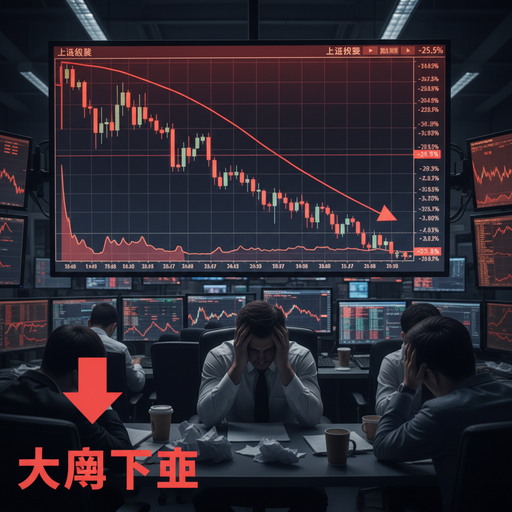
#比特币市场动态 When I saw the news that Metaplanet fell from 1781 yen to 398 yen, a decline of over 77%, the first thought that crossed my mind was: this is the pit I once stepped into.
A publicly listed company claims to want to create a Bitcoin treasury, but after peaking in June, it has been on a downward trend and has not increased its holdings since September. The information revealed behind this is very dangerous—the promises that were once loudly proclaimed have now turned into silence. Either the funding chain has encountered problems, or there has been a misjudgment of the market outlook. Either way, it shows that the decision-makers have already admitted defeat.
Ironically, many people rush in when they see news about these publicly listed companies increasing their Bitcoin holdings, thinking that with major institutions backing it, it's safe. In fact, this is precisely where it's easiest to fall into a trap—the risk tolerance between institutions and retail investors is fundamentally unequal. When they decide to cut their losses, your holdings have already been crushed.
This case is worth remembering: do not put blind faith in any news about accumulation; the key is to see when they stop accumulating. The stop itself is the biggest signal. To survive on-chain for a long time, you must learn to read these silent messages.