





#Gate广场四月发帖挑战 The US-Iran confrontation escalates again, and the market is panicking
The market has never lacked surprises; within just one day, both the financial sector and international situation exploded. On one side, the cryptocurrency market was suddenly attacked, plunging across the board and triggering massive liquidations, causing countless investors to lose everything overnight; on the other side, the geopolitical conflict between the US and Iran continued to intensify, with Iran firmly responding to Trump, and the Strait of Hormuz situation gripping global nerves.
The collision of these two hot topics not only stirs global capital flows but also pushes market risk aversion to the limit. Ordinary people can clearly feel that the current economy and international situation are already interconnected, with a single trigger capable of affecting the whole system.
1. Cryptocurrency prices plummeted across the board, with over 110k traders liquidated!
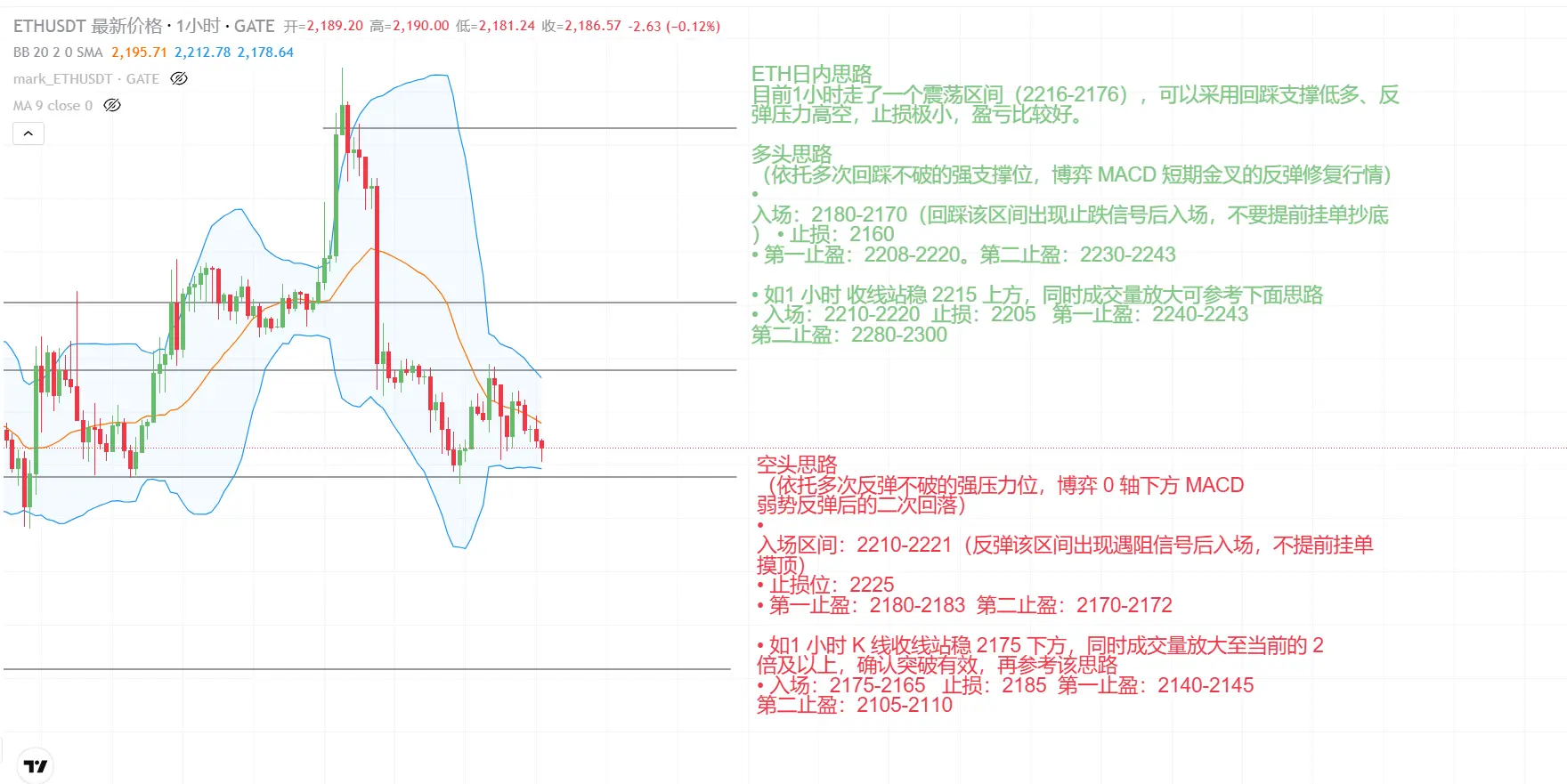
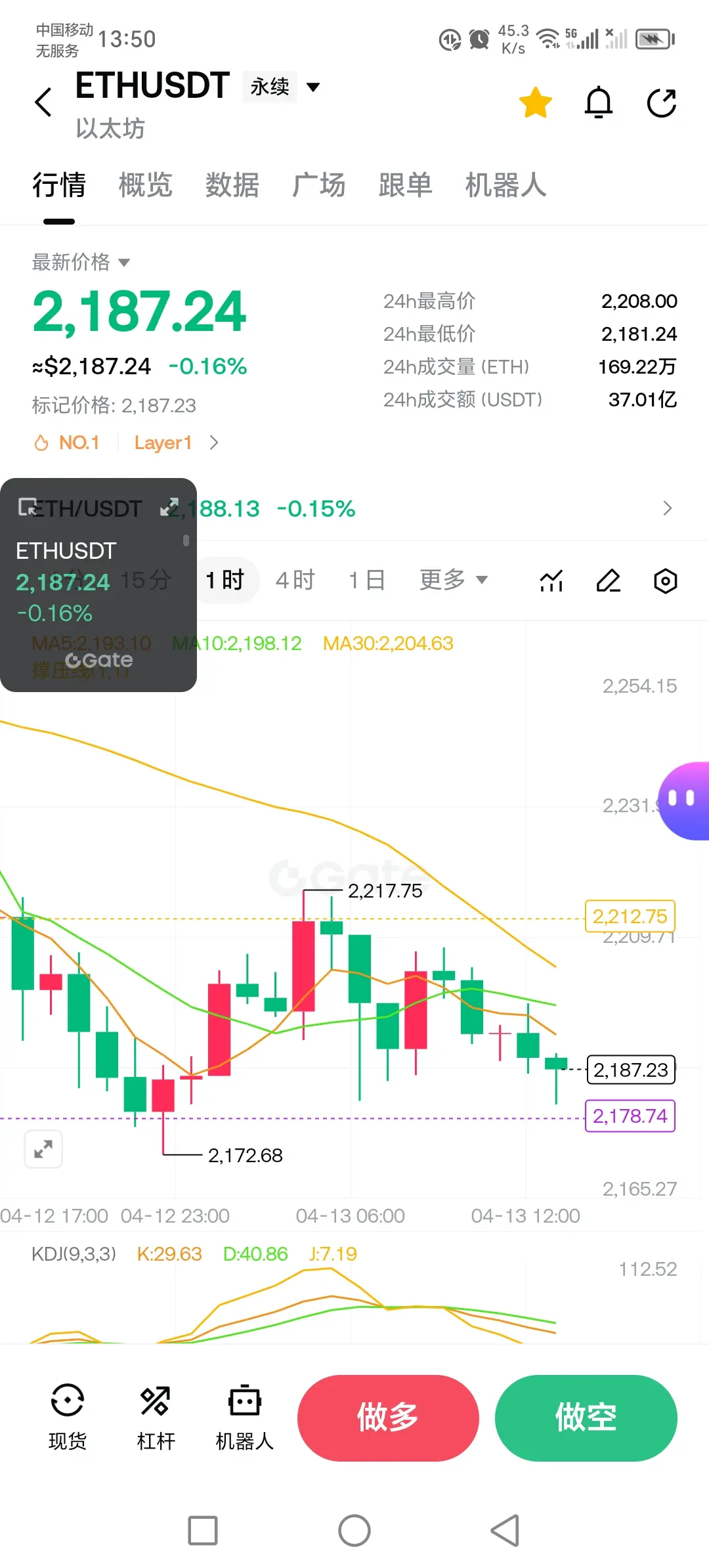
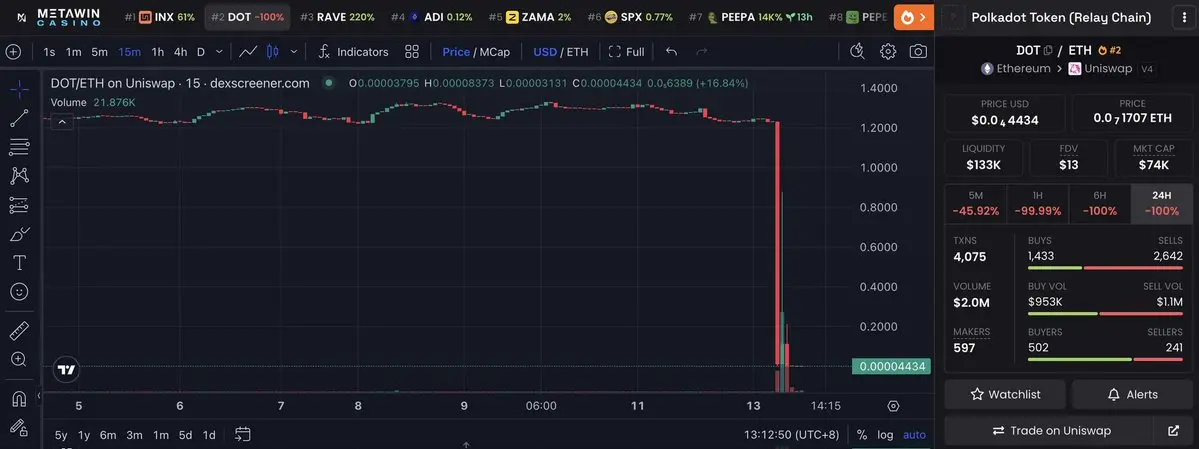
Cryptocurrency markets are known for their volatility, but this collective plunge still caught many investors off guard. Recently, the seemingly stable crypto space suddenly experienced a sharp decline, with mainstream coins like Bitcoin and Ethereum falling simultaneously, and the entire market echoing with cries of distress.
According to data from professional platforms, in the past 24 hours, the number of crypto traders liquidated worldwide exceeded 110k, with huge amounts of funds evaporating in a short period. Long positions were liquidated far more than short positions, and many leveraged investors faced the total loss of their principal. The sudden drop, without warning, turned players who expected prices to rise into instant losers. Even seasoned investors couldn’t escape this market shock.
This round of sharp decline was not accidental. Uncertainty in the global macroeconomy and tense geopolitical tensions have become the straw that broke the camel’s back for the crypto market. Cryptocurrencies are inherently high-risk assets, and during fragile market sentiment, even the slightest disturbance can trigger panic withdrawals. This is the core reason behind the over 110k liquidations.
2. Trump pressures Iran, and the Strait of Hormuz situation becomes tense!
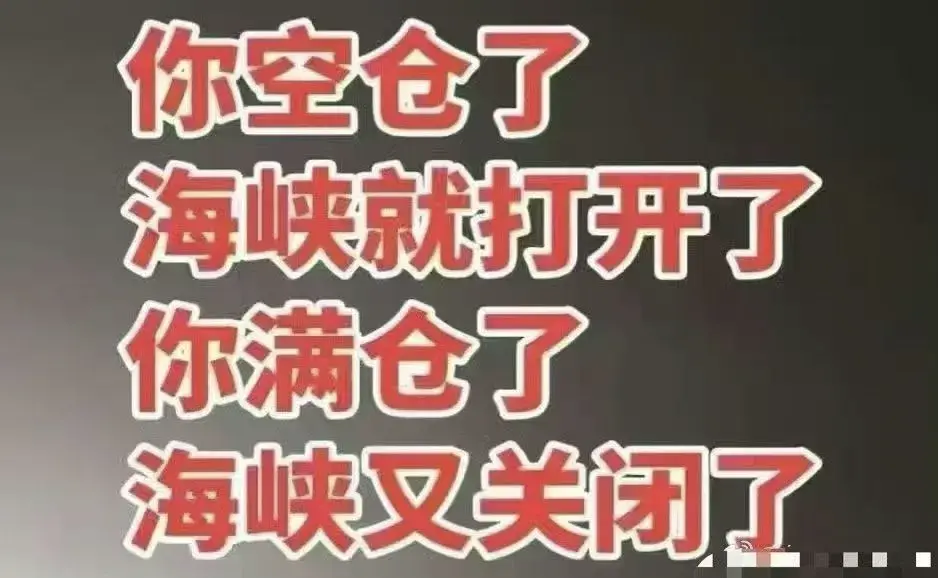
Financial markets are turbulent, and international geopolitics is equally fiery. Trump issued a tough stance toward Iran, demanding Iran open the Strait of Hormuz, even threatening to blockade Iran, trying to force Iran to compromise.
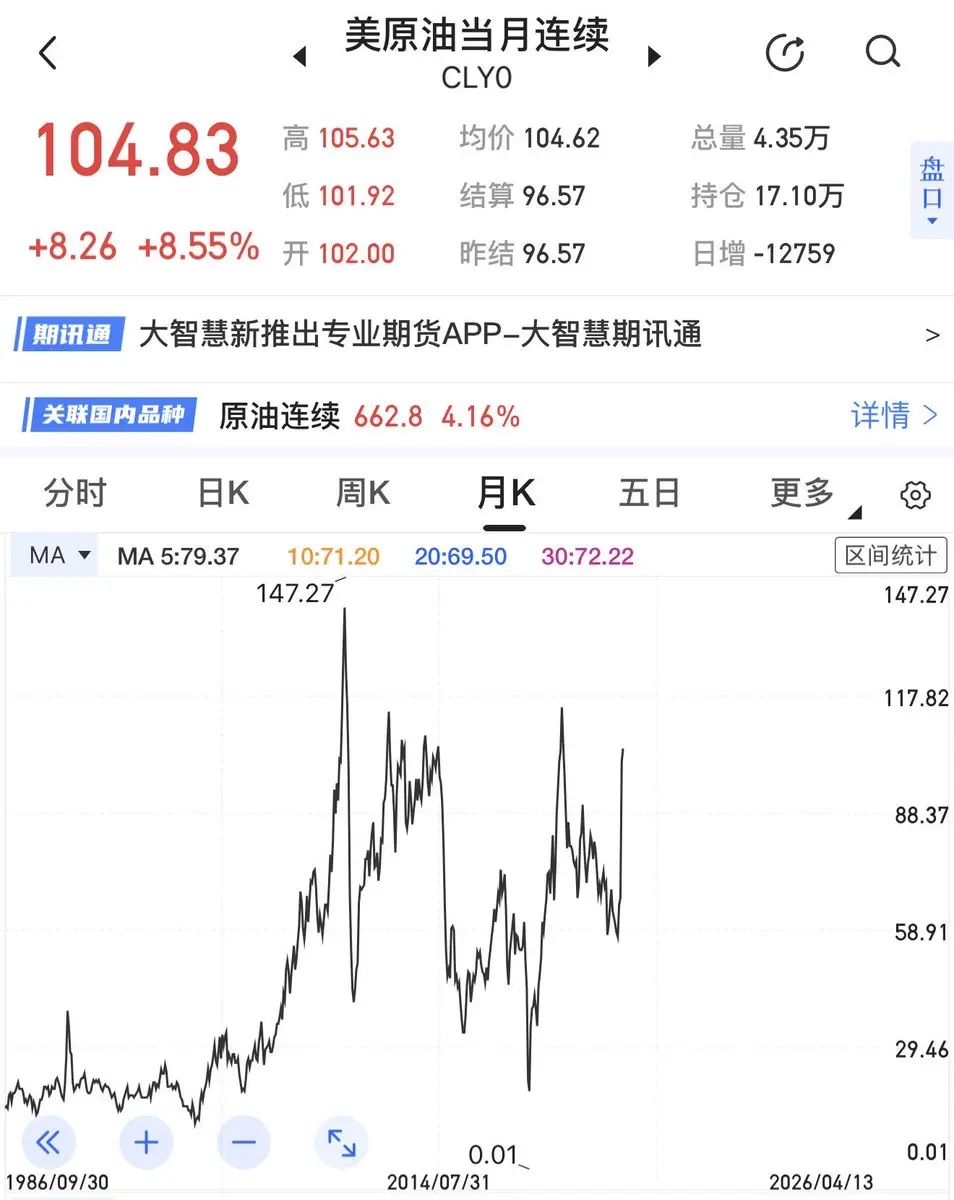
The Strait of Hormuz is considered a global energy chokepoint, with nearly one-third of the world’s oil shipments passing through here. If the situation in the strait spirals out of control, global energy supply and oil prices will experience violent shocks, affecting industries worldwide. Trump’s pressure has undoubtedly pushed the already sensitive Middle East situation to the brink of conflict, prompting risk-averse capital to seek safe havens, further amplifying volatility across various assets.
Every confrontation in international affairs doesn’t stay confined to politics; energy, finance, commodities, and other markets are all interconnected. The US-Iran standoff has long exceeded regional conflict, becoming a key variable influencing global economic stability, and indirectly contributing to the crypto crash.
Iran’s firm response, and the complete ignition of geopolitical risk!
Faced with Trump’s threats, Iran did not back down at all, issuing a tough response, clearly stating that even if Iran blocks the strait, it cannot be opened. Iran also signaled that if attacked, it will take countermeasures, affecting energy facilities across the Middle East, and global oil prices will surge accordingly.
Iran’s tough stance has escalated the US-Iran confrontation, fully igniting geopolitical risks and triggering global market panic. Investors worry that the conflict will further escalate, impacting global supply chains, energy prices, and economic recovery. This panic quickly spread to financial markets, leading to sell-offs in cryptocurrencies, stocks, and other risk assets, creating a chain reaction of worsening conflicts and market declines.
Many ordinary people may think international affairs are distant from themselves, but in reality, even a slight disturbance in the strait can push up oil prices, increase living costs, and cause market volatility that affects everyone’s investments and wealth. No one can truly stay unaffected.
Under double pressure, how should ordinary people protect their wealth?
The wave of crypto liquidations combined with geopolitical conflicts has pushed the global markets into a high-risk phase. For ordinary individuals, blindly following trends or leveraging for speculation is essentially risking their own wealth.
First, stay away from high-risk speculative behaviors. Crypto volatility is extreme, and the over 110k liquidations serve as a stark lesson. Without sufficient risk tolerance, avoid reckless involvement.
Second, hedge assets wisely. During escalating geopolitical tensions and market instability, reduce risk asset allocations and prioritize stable financial management. Protecting principal is more important than chasing high returns.
Also, keep a close eye on international developments, such as the situation in the Strait of Hormuz and US-Iran relations, as they will continue to influence global markets. Staying informed helps better avoid potential risks. Don’t be misled by short-term market fluctuations; maintain rationality, avoid blindly bottom-fishing, and choose the most prudent approach.
The global markets are already interconnected; financial turmoil and geopolitical conflicts are intertwined. In the coming period, market volatility will likely persist. Whether you’re a crypto investor or an ordinary person, stay alert, think rationally about market changes, and protect your wealth in the face of uncertainty—that’s the key to navigating today’s complex environment.
Never underestimate market risks, nor ignore the influence of international affairs. Respect risk, move steadily, and only then can you stabilize your life and wealth amid a complicated market environment.
The market has never lacked surprises; within just one day, both the financial sector and international situation exploded. On one side, the cryptocurrency market was suddenly attacked, plunging across the board and triggering massive liquidations, causing countless investors to lose everything overnight; on the other side, the geopolitical conflict between the US and Iran continued to intensify, with Iran firmly responding to Trump, and the Strait of Hormuz situation gripping global nerves.
The collision of these two hot topics not only stirs global capital flows but also pushes market risk aversion to the limit. Ordinary people can clearly feel that the current economy and international situation are already interconnected, with a single trigger capable of affecting the whole system.
1. Cryptocurrency prices plummeted across the board, with over 110k traders liquidated!
Cryptocurrency markets are known for their volatility, but this collective plunge still caught many investors off guard. Recently, the seemingly stable crypto space suddenly experienced a sharp decline, with mainstream coins like Bitcoin and Ethereum falling simultaneously, and the entire market echoing with cries of distress.
According to data from professional platforms, in the past 24 hours, the number of crypto traders liquidated worldwide exceeded 110k, with huge amounts of funds evaporating in a short period. Long positions were liquidated far more than short positions, and many leveraged investors faced the total loss of their principal. The sudden drop, without warning, turned players who expected prices to rise into instant losers. Even seasoned investors couldn’t escape this market shock.
This round of sharp decline was not accidental. Uncertainty in the global macroeconomy and tense geopolitical tensions have become the straw that broke the camel’s back for the crypto market. Cryptocurrencies are inherently high-risk assets, and during fragile market sentiment, even the slightest disturbance can trigger panic withdrawals. This is the core reason behind the over 110k liquidations.
2. Trump pressures Iran, and the Strait of Hormuz situation becomes tense!
Financial markets are turbulent, and international geopolitics is equally fiery. Trump issued a tough stance toward Iran, demanding Iran open the Strait of Hormuz, even threatening to blockade Iran, trying to force Iran to compromise.
The Strait of Hormuz is considered a global energy chokepoint, with nearly one-third of the world’s oil shipments passing through here. If the situation in the strait spirals out of control, global energy supply and oil prices will experience violent shocks, affecting industries worldwide. Trump’s pressure has undoubtedly pushed the already sensitive Middle East situation to the brink of conflict, prompting risk-averse capital to seek safe havens, further amplifying volatility across various assets.
Every confrontation in international affairs doesn’t stay confined to politics; energy, finance, commodities, and other markets are all interconnected. The US-Iran standoff has long exceeded regional conflict, becoming a key variable influencing global economic stability, and indirectly contributing to the crypto crash.
Iran’s firm response, and the complete ignition of geopolitical risk!
Faced with Trump’s threats, Iran did not back down at all, issuing a tough response, clearly stating that even if Iran blocks the strait, it cannot be opened. Iran also signaled that if attacked, it will take countermeasures, affecting energy facilities across the Middle East, and global oil prices will surge accordingly.
Iran’s tough stance has escalated the US-Iran confrontation, fully igniting geopolitical risks and triggering global market panic. Investors worry that the conflict will further escalate, impacting global supply chains, energy prices, and economic recovery. This panic quickly spread to financial markets, leading to sell-offs in cryptocurrencies, stocks, and other risk assets, creating a chain reaction of worsening conflicts and market declines.
Many ordinary people may think international affairs are distant from themselves, but in reality, even a slight disturbance in the strait can push up oil prices, increase living costs, and cause market volatility that affects everyone’s investments and wealth. No one can truly stay unaffected.
Under double pressure, how should ordinary people protect their wealth?
The wave of crypto liquidations combined with geopolitical conflicts has pushed the global markets into a high-risk phase. For ordinary individuals, blindly following trends or leveraging for speculation is essentially risking their own wealth.
First, stay away from high-risk speculative behaviors. Crypto volatility is extreme, and the over 110k liquidations serve as a stark lesson. Without sufficient risk tolerance, avoid reckless involvement.
Second, hedge assets wisely. During escalating geopolitical tensions and market instability, reduce risk asset allocations and prioritize stable financial management. Protecting principal is more important than chasing high returns.
Also, keep a close eye on international developments, such as the situation in the Strait of Hormuz and US-Iran relations, as they will continue to influence global markets. Staying informed helps better avoid potential risks. Don’t be misled by short-term market fluctuations; maintain rationality, avoid blindly bottom-fishing, and choose the most prudent approach.
The global markets are already interconnected; financial turmoil and geopolitical conflicts are intertwined. In the coming period, market volatility will likely persist. Whether you’re a crypto investor or an ordinary person, stay alert, think rationally about market changes, and protect your wealth in the face of uncertainty—that’s the key to navigating today’s complex environment.
Never underestimate market risks, nor ignore the influence of international affairs. Respect risk, move steadily, and only then can you stabilize your life and wealth amid a complicated market environment.