


Futures
Hundreds of contracts settled in USDT or BTC
TradFi
Gold
One platform for global traditional assets
Options
Hot
Trade European-style vanilla options
Unified Account
Maximize your capital efficiency
Demo Trading
Futures Kickoff
Get prepared for your futures trading
Futures Events
Join events to earn rewards
Demo Trading
Use virtual funds to experience risk-free trading
Launch
CandyDrop
Collect candies to earn airdrops
Launchpool
Quick staking, earn potential new tokens
HODLer Airdrop
Hold GT and get massive airdrops for free
Launchpad
Be early to the next big token project
Alpha Points
Trade on-chain assets and earn airdrops
Futures Points
Earn futures points and claim airdrop rewards


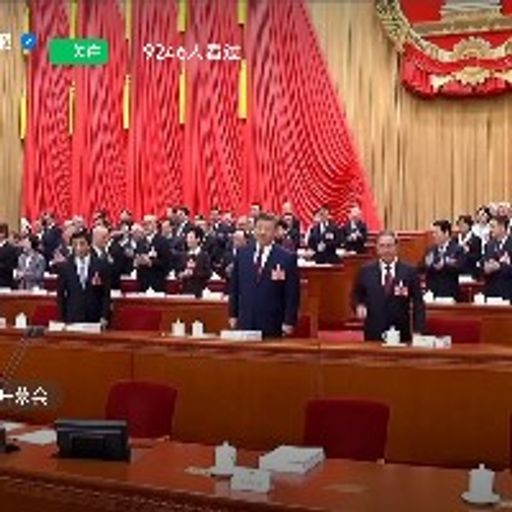




Why does China remain neutral in the Iranian crisis
China’s stance on the Iran-related conflict is a fascinating case study in contemporary diplomacy. Recently, Bloomberg highlighted how Beijing remains particularly cautious and detached, maintaining strategic neutrality that reflects the country’s geopolitical and economic priorities.
Economic and Commercial Interests as the Main Driver
Historically, China prioritizes its trade relations over ideological alignments. Iran remains a strategic partner for Beijing, but direct involvement in the conflict would pose significant risks to Chinese trade flows and investments in the Middle East. International sanctions and potential economic repercussions would be major obstacles to the benefits that could come from direct intervention. Therefore, China prefers to keep diplomatic channels open with all parties, ensuring the continuity of its economic interests.
A Tradition of Non-Interference in Internal Affairs
Chinese foreign policy is based on a well-established principle: respecting sovereignty and not interfering in the internal affairs of other nations. This approach, rooted in China’s geopolitical considerations, allows Beijing to avoid direct conflicts and maintain diplomatic credibility on a global scale. China knows that active involvement in the Iranian conflict would violate its long-standing diplomatic code, jeopardizing its position as a neutral mediator in other regional contexts.
Pursuit of Stability Through Dialogue
Rather than aligning with one side, China actively promotes peaceful solutions and constructive negotiations. This diplomatic stance aligns with Beijing’s broader vision, which considers regional stability a fundamental prerequisite for the continuation of its infrastructure and trade programs. China understands that proliferation of the conflict could lead to destabilizations that threaten entire geopolitical arenas, negatively impacting its investments and regional influence.
China’s neutrality in the Iranian crisis, therefore, does not represent a lack of interest but a conscious strategic choice that reflects a sophisticated calculation of priorities and risks in the region.