


Futures
Hundreds of contracts settled in USDT or BTC
TradFi
Gold
One platform for global traditional assets
Options
Hot
Trade European-style vanilla options
Unified Account
Maximize your capital efficiency
Demo Trading
Futures Kickoff
Get prepared for your futures trading
Futures Events
Join events to earn rewards
Demo Trading
Use virtual funds to experience risk-free trading
Launch
CandyDrop
Collect candies to earn airdrops
Launchpool
Quick staking, earn potential new tokens
HODLer Airdrop
Hold GT and get massive airdrops for free
Launchpad
Be early to the next big token project
Alpha Points
Trade on-chain assets and earn airdrops
Futures Points
Earn futures points and claim airdrop rewards





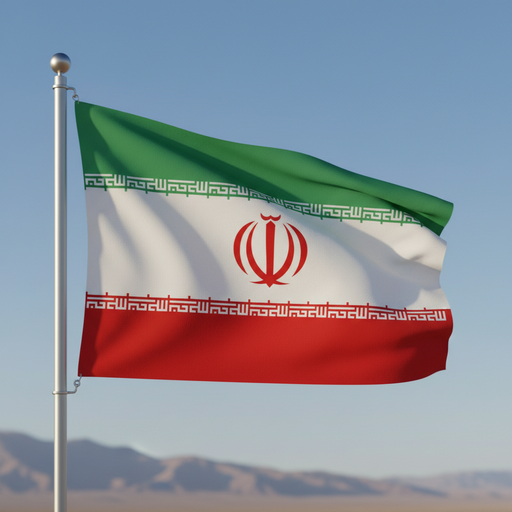
#USIranTensionsImpactMarkets
The US-Iran Tensions Affect the Global Market.
Geopolitical developments continue to play a strong role in shaping investor sentiment. As tensions escalate between major world actors, financial markets often react quickly as market participants reassess risks, energy supply stability, and broader economic implications.
The evolving dynamic between the United States and Iran once again draws the attention of global investors.
Historically, tensions in the Middle East have had ripple effects across various asset classes. Energy markets, commodities, stocks, and even digital assets can experience shifts as traders consider potential disruptions or uncertainties.
In today’s interconnected financial system, geopolitical developments spread through markets faster than ever before.
Traders monitor these signals not only for immediate reactions but also for potential second-order effects on inflation expectations, supply chains, and global policy decisions.
Why This Matters
Geopolitical tensions can quickly influence global market sentiment
Energy prices often react strongly to developments in the Middle East
Risk-sensitive assets may experience short-term volatility
Investors closely watch geopolitical signals when adjusting their portfolios
Markets do not operate in isolation.
Political developments, economic policies, and global security dynamics often intersect with the financial system. Understanding these relationships is crucial for navigating modern markets.