


Futures
Hundreds of contracts settled in USDT or BTC
TradFi
Gold
One platform for global traditional assets
Options
Hot
Trade European-style vanilla options
Unified Account
Maximize your capital efficiency
Demo Trading
Futures Kickoff
Get prepared for your futures trading
Futures Events
Join events to earn rewards
Demo Trading
Use virtual funds to experience risk-free trading
Launch
CandyDrop
Collect candies to earn airdrops
Launchpool
Quick staking, earn potential new tokens
HODLer Airdrop
Hold GT and get massive airdrops for free
Launchpad
Be early to the next big token project
Alpha Points
Trade on-chain assets and earn airdrops
Futures Points
Earn futures points and claim airdrop rewards





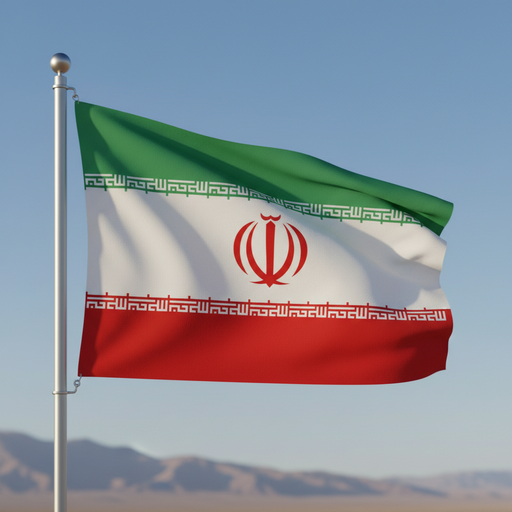
[US Stock Analysis] The Middle East conflict continues, with the Dow Jones once plunging over 1,000 points. Analysis: Watch whether the situation eases before Trump's visit to China. Is it better to buy gold for safety or buy oil?
The Middle East conflict escalation has heightened concerns over oil supply, pushing oil prices higher. U.S. stocks were under pressure on Thursday, with the Dow plunging over 1,000 points at one point. The market closed down 784 points, while the S&P 500 fell about 0.5%. The VIX volatility index surged 12%. Some stock analysts believe that the market remains short-term risk-averse but speculate that the situation in the Middle East could ease by the end of March.
The analyst pointed out that recent market optimism about the Middle East situation is excessive. After the killing of Iran’s Supreme Leader Khamenei, if a hardliner succeeds him, retaliation is highly likely, making it difficult to end the conflict in the short term. If Iran attacks Sunni countries or European nations, the situation could worsen or become more unpredictable. However, they estimate that U.S. President Trump might complete a first-phase attack on Iran before visiting China in late March to early April. “If he visits China while fighting a war, oil prices will rise sharply, and Trump’s momentum will be affected. Personally, I believe he originally planned to resolve Iran before visiting China,” the analyst said. They expect the situation might ease before Trump’s China visit, possibly followed by a second phase later.
Regarding U.S. stock positioning, the analyst believes that if geopolitical risks are temporarily reduced, investors might consider short-term rebounds, but should select stocks with solid fundamentals and reasonable valuations. From a medium- to long-term perspective, given the continued strength of the U.S. economy and corporate earnings, “If this war is similar to past conflicts, it will only have a short-term impact on the stock market. I think holding stocks for the medium to long term is worth considering.” Investors are advised to seize every correction opportunity to buy quality stocks on dips.
The analyst also warned that if the Strait of Hormuz is blocked, global oil supply will be affected. If oil prices stay above $85 per barrel, it could have a fundamental impact on global economic growth, inflation, and monetary policy, and corporate profits could be pressured. They added that although recent oil price increases have been stronger than gold, they prefer gold as a hedge and medium- to long-term investment over oil-related assets. Gold can hedge geopolitical and global economic risks, aside from the Middle East conflict, including rate cuts, a weaker dollar, and central bank holdings.
Financial Hot Talk
Will the Middle East conflict threaten oil supply and push prices above $100? Could this impact the global economy?