

Trade
Basic
Futures
Futures
Hundreds of contracts settled in USDT or BTC
TradFi
Gold
Trade global traditional assets with USDT in one place
Options
Hot
Trade European-style vanilla options
Unified Account
Maximize your capital efficiency
Demo Trading
Futures Kickoff
Get prepared for your futures trading
Futures Events
Participate in events to win generous rewards
Demo Trading
Use virtual funds to experience risk-free trading
Earn
Launch
CandyDrop
Collect candies to earn airdrops
Launchpool
Quick staking, earn potential new tokens
HODLer Airdrop
Hold GT and get massive airdrops for free
Launchpad
Be early to the next big token project
Alpha Points
Trade on-chain assets and enjoy airdrop rewards!
Futures Points
Earn futures points and claim airdrop rewards
Investment
Simple Earn
Earn interests with idle tokens
Auto-Invest
Auto-invest on a regular basis
Dual Investment
Buy low and sell high to take profits from price fluctuations
Soft Staking
Earn rewards with flexible staking
Crypto Loan
0 Fees
Pledge one crypto to borrow another
Lending Center
One-stop lending hub
VIP Wealth Hub
Customized wealth management empowers your assets growth
Private Wealth Management
Customized asset management to grow your digital assets
Quant Fund
Top asset management team helps you profit without hassle
Staking
Stake cryptos to earn in PoS products
Smart Leverage
New
No forced liquidation before maturity, worry-free leveraged gains
GUSD Minting
Use USDT/USDC to mint GUSD for treasury-level yields

More



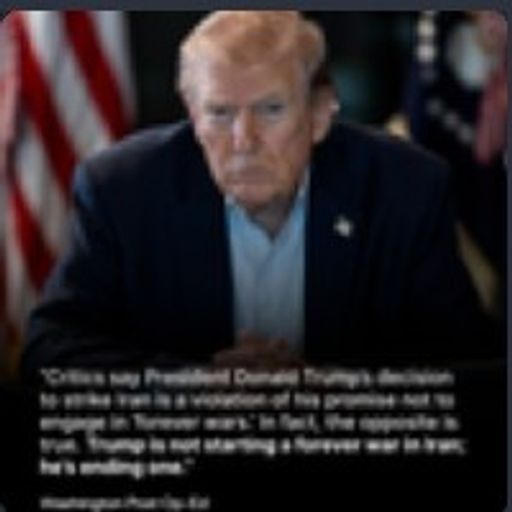



Will the US-Iran conflict trigger a surge in the oil market? Trump: Oil prices will fall back after hostilities end!
In recent days, as tensions between the U.S. and Iran continue to escalate, international oil prices have surged significantly, reigniting concerns about U.S. inflation and a potential recession.
On Tuesday, U.S. President Donald Trump told reporters at the Oval Office during a meeting with German Chancellor Merkel that once hostilities with Iran end, current high oil prices will fall back.
He acknowledged that “oil prices will remain high in the short term,” but added, “Once this situation ends, I believe oil prices will decline, even falling below previous levels.”
Trump also posted on social media that the U.S. will provide insurance for oil tankers passing through the Strait of Hormuz. If necessary, the U.S. Navy will begin escorting tankers through the Strait of Hormuz as soon as possible.
“Regardless, the U.S. will ensure the free flow of energy to the world,” he said.
Following Trump’s remarks, international oil prices retreated slightly from earlier in the day but still closed significantly higher.
On Tuesday, Brent crude futures rose by $3.66, or 4.7%, to $81.40 per barrel, the highest settlement since January 2025. U.S. crude oil futures increased by $3.33, or 4.7%, to $74.56 per barrel, the highest settlement since June.
The conflict in the Middle East has disrupted markets, with U.S. stocks falling sharply on Tuesday. Since the U.S. and Israel launched attacks on Iran early last Saturday, oil prices have soared.
Late on March 2, local time, an advisor to the Iranian Islamic Revolutionary Guard Corps stated that the Strait of Hormuz has been closed, and Iran will target all ships attempting to pass through the strait.
About 20% of the world’s oil consumption passes through this strait. Wall Street commodity strategists warned that if the strait remains closed for an extended period, oil prices could surge above $100 per barrel.
Trump has been pressuring the Federal Reserve to cut interest rates sharply. The rise in oil prices will further complicate the Fed’s rate decision.
On Tuesday, Minneapolis Federal Reserve Bank President Neel Kashkari said that the escalation of the Iran conflict has increased uncertainty about the U.S. economic outlook, making the Fed’s rate policy more unpredictable. He emphasized the need to closely monitor upcoming data.
Meanwhile, New York Fed President John Williams stated that it is too early to determine the impact of the Iran conflict on U.S. inflation and growth, but the U.S. economy’s reliance on imported oil is now much lower than in the past, and it has proven resilient in the face of energy price shocks. He also said that if inflation pressures ease as expected, the Fed will proceed with further rate cuts as planned.
(Source: Cailian Press)