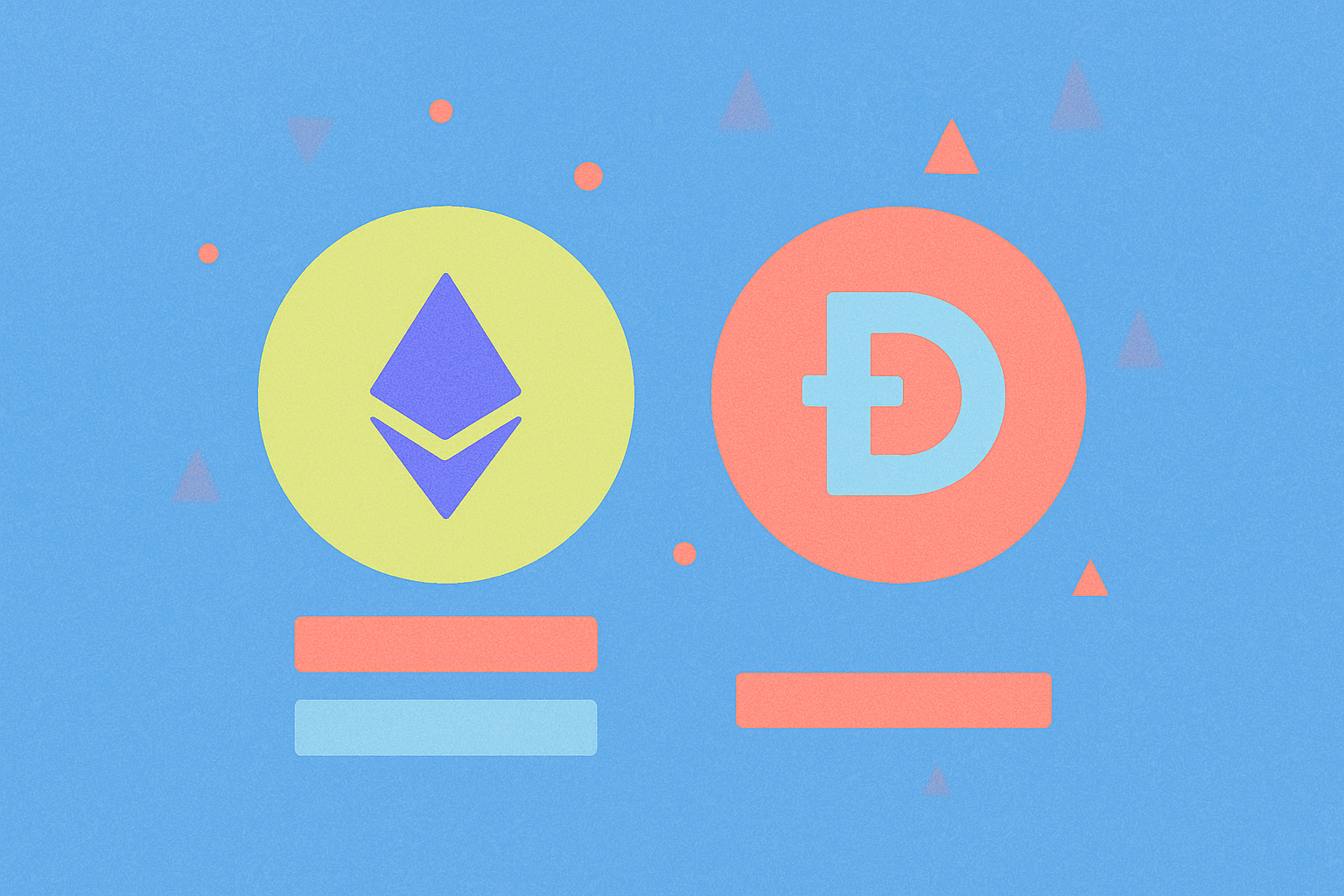
Comparing Centralized and Decentralized Crypto Trading Platforms


What are Centralized Exchanges?
Centralized exchanges (CEXs) play a crucial role in the cryptocurrency ecosystem, despite the inherent decentralized nature of cryptocurrencies. This article explores the concept of centralized exchanges, their functioning, advantages, and drawbacks.
What is a Centralized Crypto Exchange?
A centralized crypto exchange is a platform operated by a company that facilitates the buying and selling of cryptocurrencies. These exchanges act as intermediaries, matching buyers with sellers and maintaining a centralized order book to record all transactions. CEXs often offer additional services such as futures trading, margin trading, and other cryptocurrency-related products.
How do Centralized Cryptocurrency Exchanges Work?
CEXs typically collaborate with market makers to ensure liquidity on their platforms. Traders with accounts on these exchanges can access various cryptocurrencies and derivatives. The exchange matches buy and sell orders using its order books, executing transactions when compatible orders are found. It's important to note that users don't have direct control over their cryptocurrencies until they withdraw them from the exchange, as CEXs use custodial wallets.
How do CEXs Make Money?
Centralized exchanges generate revenue through various means, with commission fees being the primary source. They charge a small percentage on each transaction. Additional income streams may include fees for margin trading, crypto staking, debit card services, and deposit/withdrawal charges.
Pros and Cons of Centralized Exchanges
CEXs offer several advantages, including:
- Support for fiat currencies and bank integrations
- User-friendly interfaces suitable for beginners
- High liquidity
- Customer support
- Potential insurance protections
However, they also have notable drawbacks:
- Lack of control over users' cryptocurrencies
- Trading fees
- Reduced privacy due to KYC requirements
- Limited selection of altcoins
Centralized Versus Decentralized Exchanges
While centralized exchanges dominate the crypto trading landscape, decentralized exchanges (DEXs) are gaining popularity. DEXs utilize blockchain technology and smart contracts to facilitate peer-to-peer trading without intermediaries. They offer benefits such as increased privacy and reduced counterparty risk but may lack some conveniences provided by CEXs, such as fiat currency support and customer service.
How to Choose a Centralized Crypto Exchange
When selecting a CEX, consider factors such as:
- Reputation and trustworthiness
- Trading volume and liquidity
- Available cryptocurrencies
- Fee structure
- Security measures
- User interface and experience
- Customer support quality
Utilize resources like CoinMarketCap or CoinGecko to compare different exchanges and make an informed decision based on your specific trading needs and priorities.
Conclusion
Centralized exchanges remain a vital component of the cryptocurrency ecosystem, offering accessibility and convenience to traders. While they present certain risks and limitations, their role in facilitating crypto adoption is undeniable. As the crypto space continues to evolve, it's crucial for users to understand the pros and cons of CEXs and make informed decisions about where and how to trade their digital assets.
FAQ
Should I use a centralized or decentralized crypto exchange?
It depends on your needs. Centralized exchanges offer better liquidity and user-friendly interfaces, while decentralized exchanges provide more privacy and control over your funds. Consider your priorities and trading style when choosing.
Is bitcoin decentralized or centralized?
Bitcoin is decentralized. It operates on a peer-to-peer network without a central authority, allowing for direct transactions between users worldwide.
Share
Content
How to Buy Cryptocurrency


Trending Cryptocurrencies



How Does Competitive Analysis Improve Crypto Market Performance in 2030?

How to Convert Bitcoin to GBP: The Best Exchange Rate and Methods for 2025
2025 Guide for UK Traders on Bitcoin to Pound Exchange

Bitcoin price in GBP: 2025 UK market analysis and trading guide

Probability of Bitcoin Hitting $1 Million Dollars

Canada Bitcoin Price: July 2025 CAD Exchange Rate and Trends

Is Undeads Games (UDS) a good investment?: A Comprehensive Analysis of Risk, Potential Returns, and Market Viability
Is BUILDon (B) a good investment?: A Comprehensive Analysis of Performance, Risks, and Future Prospects

Is Vision (VSN) a good investment?: A Comprehensive Analysis of Token Performance, Market Potential, and Risk Factors for 2024
Is Arweave (AR) a good investment?: A Comprehensive Analysis of Risks, Opportunities, and Market Potential in 2024

Is Sonic (S) a good investment?: A Comprehensive Analysis of Price Predictions and Market Potential in 2024