





 :
:












Details of the Pentagon-Anthropic Dispute:
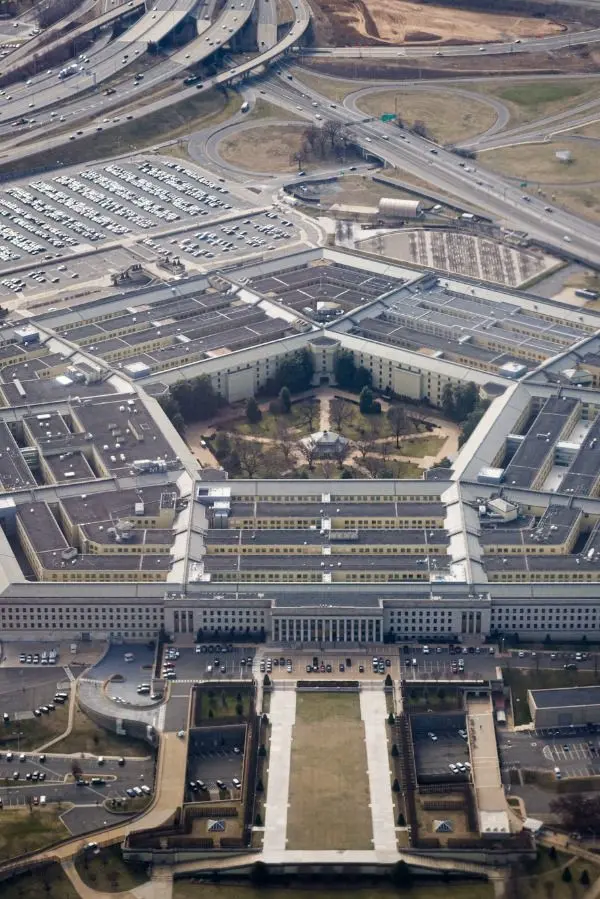
The dispute stems from a contract worth approximately $200 million that Anthropic signed to use its Claude AI model in classified systems for the US military.
Anthropic set two key "red lines":
- That the AI not be used for mass surveillance of American citizens.
- That it not be used for **fully autonomous weapon systems** (weapons that make lethal decisions without human oversight)
The Pentagon, however, demanded unlimited use of the AI for "all legitimate purposes" and did not accept these restrictions. Defense Secretary Pete Hegseth forced the company to comply by a deadline of Friday evening (February 26, 2026).
When no agreement was reached:
- President Trump ordered all federal agencies to **immediately halt** Anthropic technology (giving the Pentagon a 6-month transition period).
- Hegseth declared Anthropic a "supply chain risk to national security"—a sanction normally used against foreign threats; it also prohibits military contractors from doing business with the company.
Anthropic called the decision "legally invalid and precedent-setting" and announced it would take the matter to court. CEO Dario Amodei emphasized that he would not back down from his position.
Ultimately, the Pentagon signed a new agreement with OpenAI accepting similar restrictions. This event marked a major turning point regarding who should set limits on the military use of AI—companies or government?
In short: What began as a discussion of security concerns escalated into political pressure and sanctions. The conflict between AI ethics and national security continues.
#TrumpordersfederalbanonAnthropicAI
The dispute stems from a contract worth approximately $200 million that Anthropic signed to use its Claude AI model in classified systems for the US military.
Anthropic set two key "red lines":
- That the AI not be used for mass surveillance of American citizens.
- That it not be used for **fully autonomous weapon systems** (weapons that make lethal decisions without human oversight)
The Pentagon, however, demanded unlimited use of the AI for "all legitimate purposes" and did not accept these restrictions. Defense Secretary Pete Hegseth forced the company to comply by a deadline of Friday evening (February 26, 2026).
When no agreement was reached:
- President Trump ordered all federal agencies to **immediately halt** Anthropic technology (giving the Pentagon a 6-month transition period).
- Hegseth declared Anthropic a "supply chain risk to national security"—a sanction normally used against foreign threats; it also prohibits military contractors from doing business with the company.
Anthropic called the decision "legally invalid and precedent-setting" and announced it would take the matter to court. CEO Dario Amodei emphasized that he would not back down from his position.
Ultimately, the Pentagon signed a new agreement with OpenAI accepting similar restrictions. This event marked a major turning point regarding who should set limits on the military use of AI—companies or government?
In short: What began as a discussion of security concerns escalated into political pressure and sanctions. The conflict between AI ethics and national security continues.
#TrumpordersfederalbanonAnthropicAI
 :
: