


Futures
Access hundreds of perpetual contracts
TradFi
Gold
One platform for global traditional assets
Options
Hot
Trade European-style vanilla options
Unified Account
Maximize your capital efficiency
Demo Trading
Introduction to Futures Trading
Learn the basics of futures trading
Futures Events
Join events to earn rewards
Demo Trading
Use virtual funds to practice risk-free trading
Launch
CandyDrop
Collect candies to earn airdrops
Launchpool
Quick staking, earn potential new tokens
HODLer Airdrop
Hold GT and get massive airdrops for free
Launchpad
Be early to the next big token project
Alpha Points
Trade on-chain assets and earn airdrops
Futures Points
Earn futures points and claim airdrop rewards


More





#IEAReleasesRecordOilReservesToAsiaMarket
IEA Deploys Strategic Oil Reserves to Stabilize Asia Energy Markets
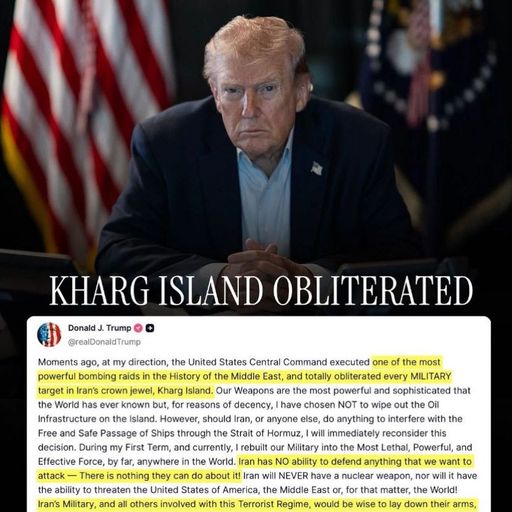
The International Energy Agency (IEA) has initiated a record release of oil reserves aimed at stabilizing energy supply and controlling price volatility in the Asian market. This unprecedented move comes amid escalating geopolitical tensions and supply constraints in key oil producing regions.
By injecting emergency crude into the market, the IEA seeks to ensure sufficient liquidity, curb excessive price spikes, and provide relief to industrial and consumer sectors heavily reliant on energy imports.
Scale of the Release
Reports indicate that the IEA has released over 400 million barrels of crude oil into Asian markets, the largest single coordinated release in its history.
The reserves are being distributed across major import hubs including China, Japan, South Korea, and India, providing strategic support to regional economies facing tight supply conditions.
This release is expected to temporarily ease oil prices and alleviate some of the cost pressures experienced by industries such as manufacturing, transportation, and petrochemicals.
Why Asia Is the Focus
Asia represents the largest energy consuming region globally, with economies heavily dependent on imported crude oil. Recent disruptions—ranging from Middle East tensions to logistical bottlenecks—have caused short term supply deficits and triggered price surges.
The IEA’s intervention is designed to stabilize these markets, maintain confidence among consumers and businesses, and prevent cascading economic effects from sudden energy shocks.
By targeting Asia, the IEA also aims to prevent regional energy crises that could affect global oil flows and financial stability.
Market Reactions
The announcement prompted immediate responses across energy, financial, and commodity markets:
Oil Futures: Crude benchmarks saw short term pullbacks as markets anticipated increased supply.
Energy Stocks: Shares of Asian refiners and integrated energy companies adjusted to the new pricing environment.
Global Liquidity: Investors weighed the impact of the sudden surge in supply on broader commodity markets, including petroleum derivatives.
Analysts caution that while the release may temporarily stabilize prices, long term supply risks remain due to geopolitical uncertainties and production fluctuations.
Strategic Implications
The IEA’s record release highlights several critical points about global energy strategy:
Emergency Preparedness: Strategic reserves remain a key tool for managing sudden market disruptions.
Regional Stability: By targeting Asia, the IEA reinforces its role in maintaining energy security for the world’s most energy-intensive economies.
Price Signaling: The coordinated release signals to market participants that supply constraints will be actively managed, potentially deterring speculative surges.
These actions underscore the growing importance of international coordination in energy markets to balance demand, supply, and geopolitical risk.
Potential Long Term Effects
While immediate market stabilization is the goal, such large releases can also influence long term dynamics:
Supply Chain Adjustments: Asian refiners and importers may adjust procurement strategies to account for temporary reserve inflows.
Investment in Alternatives: Temporary relief might slow short term adoption of energy alternatives, though structural trends toward renewables remain strong.
Price Volatility: Once the reserve release is absorbed, markets could see renewed price swings if underlying supply or geopolitical issues persist.
Traders and analysts will monitor how quickly the market absorbs the release and whether it prevents further disruptions during the current geopolitical climate.
Key Takeaway
The IEA’s decision to release record oil reserves into Asia demonstrates the critical role of strategic coordination in global energy management. By providing immediate supply support, the agency aims to protect economies, industries, and consumers from the ripple effects of sudden supply shocks.
For investors, energy traders, and policymakers, this release is a reminder of how strategic reserves can influence short term pricing, market sentiment, and regional economic stability.
Analysis by Vortex King