


Futures
Access hundreds of perpetual contracts
TradFi
Gold
One platform for global traditional assets
Options
Hot
Trade European-style vanilla options
Unified Account
Maximize your capital efficiency
Demo Trading
Futures Kickoff
Get prepared for your futures trading
Futures Events
Join events to earn rewards
Demo Trading
Use virtual funds to experience risk-free trading
Launch
CandyDrop
Collect candies to earn airdrops
Launchpool
Quick staking, earn potential new tokens
HODLer Airdrop
Hold GT and get massive airdrops for free
Launchpad
Be early to the next big token project
Alpha Points
Trade on-chain assets and earn airdrops
Futures Points
Earn futures points and claim airdrop rewards





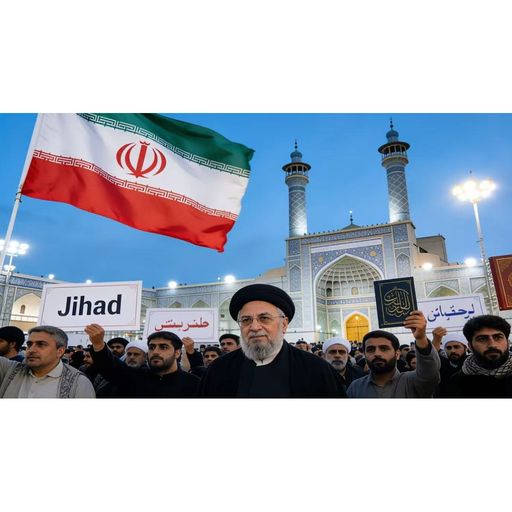
Is trading forbidden or permitted? Islamic Shariah standards for evaluating financial transactions
Many people wonder whether trading is forbidden in Islam, and the answer is not as simple as it may seem. The Islamic ruling on any trading activity depends on a set of criteria and conditions defined by Shariah law. Let’s explore these standards comprehensively to understand when trading is prohibited and under what circumstances it may be permissible.
Types of Assets and Their Shariah Rulings
When examining the prohibition of trading, we find that the ruling varies based on the nature of the asset being traded. Stock trading can be halal if the company operates in sectors that do not conflict with Islamic principles and adheres to Shariah guidelines in managing its finances and dealings. As for currency and forex trading, it is surrounded by extensive debate among scholars. Spot transactions without delay in delivery may fall under lighter rulings, but most trading platforms impose interest (riba) on open positions, which makes such trading haram. Commodities and metals are similar to stocks in terms of ruling; trading them can be permissible if the transaction is conducted in a manner compliant with Shariah rules.
Prohibited Trading Methods According to Islamic Teachings
The method of trading itself determines whether the activity is forbidden or not. Spot transactions involving actual and immediate exchange of assets between parties are closer to permissibility. However, certain methods make trading unquestionably prohibited, foremost among them being trading with leverage. This type of trading is associated with several Shariah issues: first, it involves riba (interest) on borrowed funds; second, it carries a high level of risk and gambling, which are forbidden; third, it may involve dealing with debts that are not compliant with Islamic law.
Critical Factors That Determine the Prohibition of Trading
Beyond the type of asset and trading method, additional factors influence whether trading is haram. Transparency and clarity are essential; Shariah forbids any transaction involving significant ambiguity or uncertainty about its terms. Gambling in any form is completely prohibited, and some trading strategies may resemble gambling behavior. Most importantly, any form of riba (interest) must be avoided. If the trading platform you use imposes interest on open positions held for long periods or charges additional fees under different names, this renders the trading haram according to Islamic standards.
Your First Step: Consult a Qualified Shariah Scholar
Ultimately, determining whether trading is haram in your specific case requires consulting a qualified Islamic scholar. A scholar or religious expert can examine the detailed aspects of your trading methods, evaluate the tools you use, and issue a tailored Islamic ruling based on your situation. Do not hesitate to ask questions and seek advice, as the prohibition of trading is not a subjective or personal matter but a religious issue that warrants careful consideration and full attention.