

Trade
Basic
Futures
Futures
Hundreds of contracts settled in USDT or BTC
Options
Hot
Trade European-style vanilla options
Unified Account
Maximize your capital efficiency
Demo Trading
Futures Kickoff
Get prepared for your futures trading
Futures Events
Futures Mall
Participate in events to win generous rewards
Demo Trading
Use virtual funds to experience risk-free trading
Earn
Launch
CandyDrop
Collect candies to earn airdrops
Launchpool
Quick staking, earn potential new tokens
HODLer Airdrop
Hold GT and get massive airdrops for free
Launchpad
Be early to the next big token project
Alpha Points
New
Trade on-chain assets and enjoy airdrop rewards!
Futures Points
New
Earn futures points and claim airdrop rewards
Investment
Simple Earn
Earn interests with idle tokens
Auto-Invest
Auto-invest on a regular basis
Dual Investment
Buy low and sell high to take profits from price fluctuations
Soft Staking
Earn rewards with flexible staking
Crypto Loan
0 Fees
Pledge one crypto to borrow another
Lending Center
One-stop lending hub
VIP Wealth Hub
Customized wealth management empowers your assets growth
Private Wealth Management
Customized asset management to grow your digital assets
Quant Fund
Top asset management team helps you profit without hassle
Staking
Stake cryptos to earn in PoS products
Smart Leverage
New
No forced liquidation before maturity, worry-free leveraged gains
GUSD Minting
Use USDT/USDC to mint GUSD for treasury-level yields

More


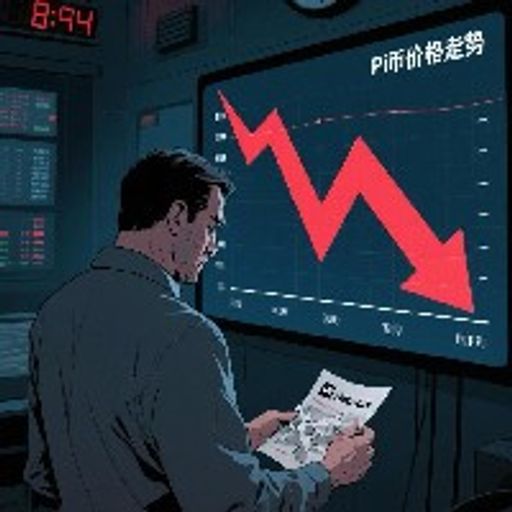




A Beginner's Guide to Understanding CFD Trading: Essential Foundation Before You Start
Have you considered trading Apple shares, gold, or foreign currencies without the need to purchase them outright? Contract for Difference (CFD) trading makes this possible through derivative contracts. Yet before diving in, beginners must grasp the mechanics, opportunities, and inherent risks. This guide unpacks everything newcomers should know about trading for beginners in the CFD market.
Understanding the Basics: How CFDs Work
A Contract for Difference represents an agreement between you and a broker to settle the price movement of an asset. Rather than owning the underlying asset, you’re speculating on directional price changes.
Picture this scenario: you predict Apple’s stock will climb from $150 to $160. You open a buying position. Should the price reach $160, you pocket the $10 profit (minus fees). Conversely, if it drops to $140, you face a $10 loss. This mechanism applies across multiple asset classes—currencies (forex), commodities (gold, oil), stock indices, equities, and digital assets.
Why CFD Trading For Beginners Has Gained Traction
The proliferation of modern brokerage platforms has democratized market access. Novices appreciate the reduced entry barriers, while seasoned traders embrace the flexibility CFDs offer compared to conventional investing methods.
Lower Initial Capital Requirements Expand Your Reach
Trading for beginners becomes feasible with modest capital—sometimes just a few hundred dollars. This accessibility stems from leverage, which amplifies your purchasing power. Think of it as a financial multiplier: you gain substantial market exposure with a proportionally smaller deposit.
A distinctive advantage: CFD trading isn’t limited to bullish scenarios. When you believe prices will decline, you can short-sell and profit from downward movements—something restricted in many traditional investment vehicles. This bidirectional opportunity means market downturns needn’t leave you sidelined.
Single Platform, Multiple Markets
One streamlined account grants access to diverse global markets. Trade Australian equities in the morning, pivot to American tech stocks midday, then explore European currency pairs by evening. This eliminates the friction of maintaining separate accounts across different regional brokers.
Contemporary platforms bundle sophisticated analytical tools, position management utilities, and live market feeds—all optimized for user accessibility. Before committing real capital, invest time mastering your platform’s functionality. This preparedness proves invaluable during volatile price swings requiring quick decisions.
The Critical Reality: Understanding Risks Before Trading for Beginners
Here’s what every beginner must confront: CFD trading carries substantial risk, particularly when leverage amplifies positions. Research indicates that 74% to 89% of retail trading accounts lose money engaging with CFDs—a stark reminder of the stakes involved.
These instruments are inherently complex. Leverage magnifies both gains and losses; minor price fluctuations can devastate accounts. Historical performance never guarantees future outcomes. Additionally, regulatory status varies by geography, meaning CFD accessibility depends on your location.
The message is unambiguous: this approach isn’t universally appropriate, and losses can exceed your initial deposit.
Starting Your CFD Journey: A Structured Roadmap
Establish Your Knowledge Foundation
Begin by learning market fundamentals and CFD mechanics specifically. Master essential terminology: spreads (the difference between buy and sell prices), margin (collateral required), leverage (the multiplier effect), and overnight financing costs. Combine broker educational materials with independent resources to build confidence.
Selecting Your Broker Partner
Opt for brokers regulated by recognized authorities—ASIC, CySEC, FCA, or equivalent bodies. Independently verify their regulatory credentials through official channels. Evaluate trading costs, available markets, platform design, and customer support quality. This comparison phase determines your foundation.
Demo Trading: Risk-Free Practice
Most brokers offer simulated accounts using virtual capital. This environment lets you execute strategies without financial consequences. Spend substantial time experimenting with the platform, testing different approaches, and building muscle memory until confidence solidifies.
Transitioning to Live Trading
Once ready, complete identity verification and submit required documentation. Fund your account using your preferred method—bank transfers, debit cards, or digital wallets. Begin with capital you’re genuinely comfortable losing, respecting your personal risk tolerance boundaries.
Only trade with money you can afford to lose entirely. Never use funds earmarked for essential expenses, debt payments, or emergency reserves. The objective is measured, sustainable engagement with markets—not overnight wealth generation.
The Path Forward
Trading for beginners in CFDs demands respect for complexity and realistic expectations. Success requires foundational knowledge, disciplined strategy, deliberate practice, and unwavering risk awareness. Take time to absorb these principles fully before committing your capital.