

Trade
Basic
Futures
Futures
Hundreds of contracts settled in USDT or BTC
Options
HOT
Trade European-style vanilla options
Unified Account
Maximize your capital efficiency
Demo Trading
Futures Kickoff
Get prepared for your futures trading
Futures Events
Futures Mall
Participate in events to win generous rewards
Demo Trading
Use virtual funds to experience risk-free trading
Earn
Launch
CandyDrop
Collect candies to earn airdrops
Launchpool
Quick staking, earn potential new tokens
HODLer Airdrop
Hold GT and get massive airdrops for free
Launchpad
Be early to the next big token project
Alpha Points
NEW
Trade on-chain assets and enjoy airdrop rewards!
Futures Points
NEW
Earn futures points and claim airdrop rewards
Investment
Simple Earn
Earn interests with idle tokens
Auto-Invest
Auto-invest on a regular basis
Dual Investment
Buy low and sell high to take profits from price fluctuations
Soft Staking
Earn rewards with flexible staking
Crypto Loan
0 Fees
Pledge one crypto to borrow another
Lending Center
One-stop lending hub
VIP Wealth Hub
Customized wealth management empowers your assets growth
Private Wealth Management
Customized asset management to grow your digital assets
Quant Fund
Top asset management team helps you profit without hassle
Staking
Stake cryptos to earn in PoS products
Smart Leverage
NEW
No forced liquidation before maturity, worry-free leveraged gains
GUSD Minting
Use USDT/USDC to mint GUSD for treasury-level yields

More






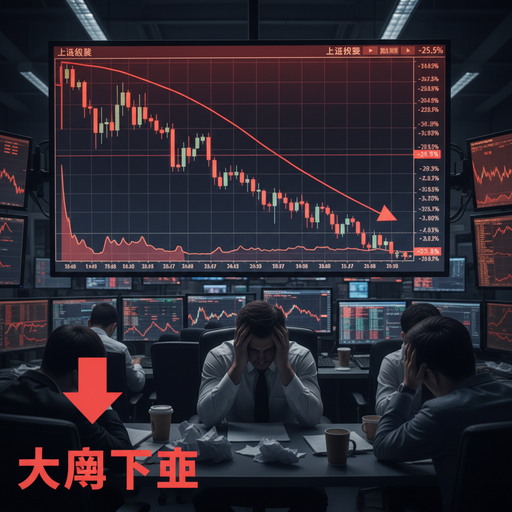
Lately, the headlines about "Bull Market Launch, Bottom-Fishing Opportunities" have been everywhere. Watching BTC fluctuate around 90,000, many people are starting to get restless—feeling that a breakout is imminent and that missing this move could mean missing a billion-dollar opportunity. But I have to be honest: jumping in now at this point and chasing the high is almost certain to turn you into free labor for the big players.
Why do I say that? Many novice traders, when watching the charts, only focus on the ups and downs of the candlesticks, completely ignoring a decisive factor—liquidity. Price movements in the crypto market are never random; they are tightly controlled by liquidity. Just like in a supermarket, where promotions flood the areas with the most foot traffic, the big players operate similarly—they go where the liquidity is the thickest to harvest.
Recently, I’ve been closely monitoring the market and discovered a signal that cannot be ignored: the current bullish leverage positions are already stacked high, and liquidity clusters below 89,000 BTC are much thicker than those above. To put it another way, it’s like a large crowd rushing to stand at the edge of a cliff, with a deep abyss beneath—any slight disturbance could trigger a chain reaction of stampedes. For those impulsive friends who chase high with full positions, this essentially exposes their vulnerabilities directly to the big players.
Remember the market’s iron law: it will always choose the easiest and most efficient route forward. At this price level, instead of fighting to break through the 92,000 resistance zone, it’s better to "clean up the battlefield" first—clear out those dense stop-loss orders. Once that’s done, pushing the price higher will face less resistance. The big players’ strategy is simple: first, precisely clear high-density leveraged positions; then carefully induce retail traders’ stop-losses; finally, push the price up. This process has been proven countless times.