:
:




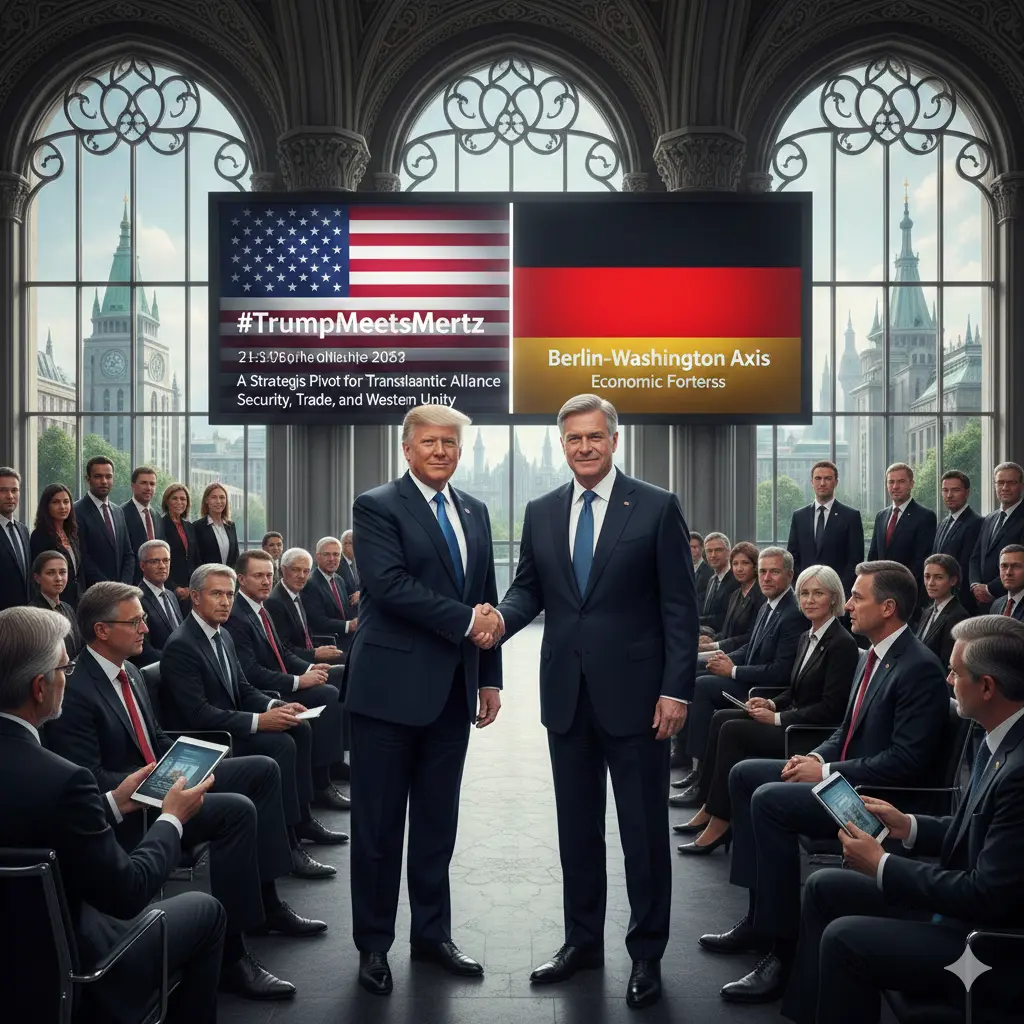
#TrumpMeetsMerz
#TrumpMeetsMerz: A Strategic Pivot for the Transatlantic Alliance
The diplomatic landscape of 2026 has witnessed a significant recalibration as President Donald Trump and German Chancellor Friedrich Merz convened for a high-profile summit. This meeting is not merely a diplomatic formality; it represents a fundamental shift in how the United States and Germany—Europe’s economic powerhouse—plan to navigate a fragmented global order.
The Core Pillars of the Summit
1. A New Framework for Security and Defense
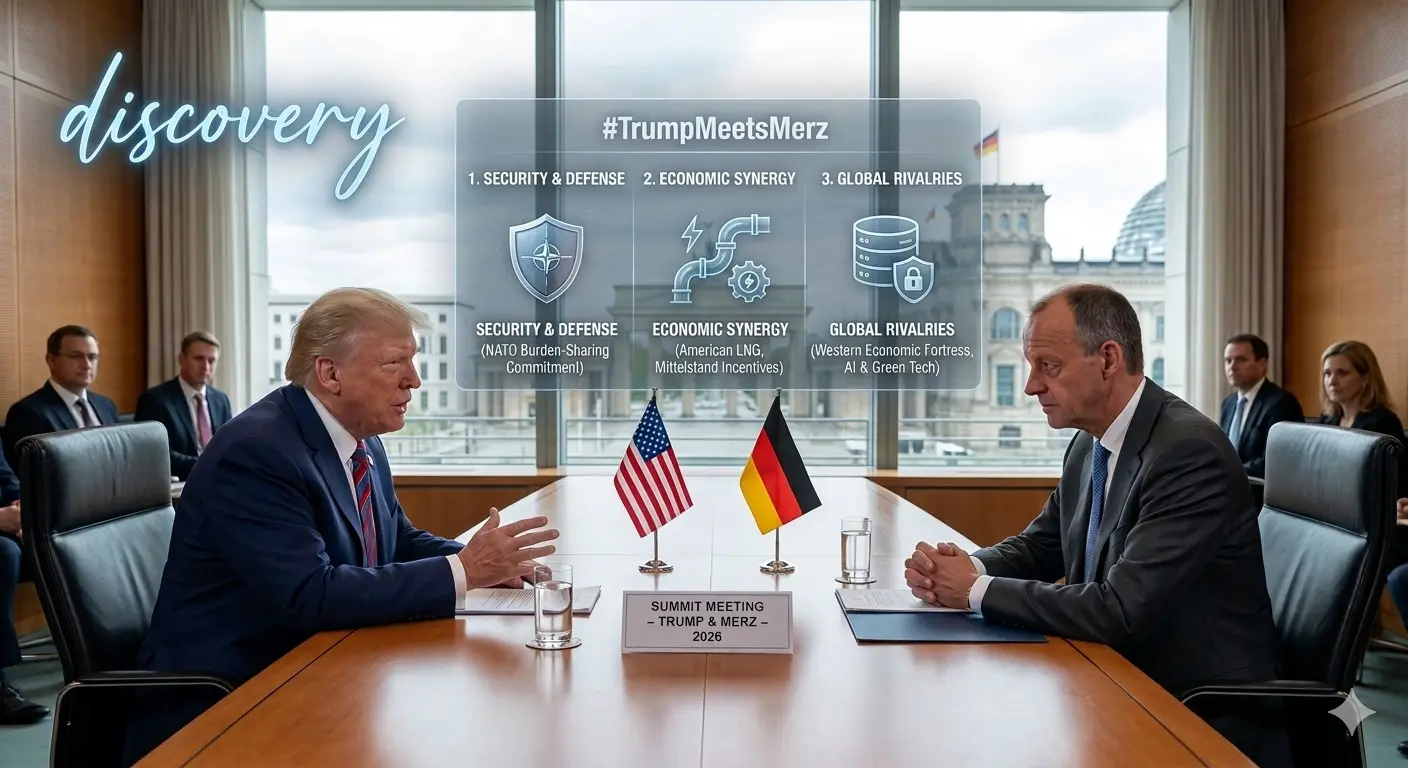
The primary focus of the discussion centered on the restructuring of NATO obligations. Merz, known for his pragmatic and "pro-business" stance, signaled a departure from previous German hesitancy. By committing to a more robust defense budget that exceeds current mandates, Merz is speaking a language that resonates with the Trump administration’s "burden-sharing" doctrine. This alignment suggests a more self-reliant Europe that remains firmly anchored to American strategic interests.
2. Economic Realignment and Trade Synergy
Moving away from the era of trade friction, the #TrumpMeetsMerz dialogue emphasized "Fair Trade over Free Trade." Discussions highlighted:
Energy Independence: Leveraging American LNG exports to secure German industrial stability.
De-risking from Eastern Dependencies: A joint commitment to reshoring critical supply chains, particularly in the semiconductor and automotive sectors.
Investment Incentives: Exploring reciprocal tax advantages for German mid-sized companies (Mittelstand) operating in the U.S. and American tech firms expanding in the EU.
3. Addressing Global Rivalries
Both leaders showcased a unified front regarding global competition. The summit underscored a shared vision of a "Western Economic Fortress," designed to protect intellectual property and maintain technological superiority in artificial intelligence and green energy manufacturing.
Professional Perspective: Why This Matters Now
The rapport established between Trump and Merz offers a glimpse into a more transactional yet stable relationship between Washington and Berlin. Unlike the ideological clashes of the past, the 2026 summit is defined by realpolitik.
"The Trump-Merz synergy is built on the realization that economic security is national security. By aligning their industrial policies, they are effectively creating a new template for Western leadership in a multipolar world."
Key Takeaways for Markets and Policy Makers
Market Stability: The positive tone of the meeting has provided a much-needed boost to the DAX and S&P 500, as investors price in reduced trade uncertainty.
Geopolitical Shift: The "Berlin-Washington Axis" is being reinvigorated, focusing on pragmatic outcomes rather than rhetorical idealism.
Industrial Integration: Expect increased cooperation in defense technology and energy infrastructure projects over the next fiscal year.
#TrumpMeetsMerz: A Strategic Pivot for the Transatlantic Alliance
The diplomatic landscape of 2026 has witnessed a significant recalibration as President Donald Trump and German Chancellor Friedrich Merz convened for a high-profile summit. This meeting is not merely a diplomatic formality; it represents a fundamental shift in how the United States and Germany—Europe’s economic powerhouse—plan to navigate a fragmented global order.
The Core Pillars of the Summit
1. A New Framework for Security and Defense
The primary focus of the discussion centered on the restructuring of NATO obligations. Merz, known for his pragmatic and "pro-business" stance, signaled a departure from previous German hesitancy. By committing to a more robust defense budget that exceeds current mandates, Merz is speaking a language that resonates with the Trump administration’s "burden-sharing" doctrine. This alignment suggests a more self-reliant Europe that remains firmly anchored to American strategic interests.
2. Economic Realignment and Trade Synergy
Moving away from the era of trade friction, the #TrumpMeetsMerz dialogue emphasized "Fair Trade over Free Trade." Discussions highlighted:
Energy Independence: Leveraging American LNG exports to secure German industrial stability.
De-risking from Eastern Dependencies: A joint commitment to reshoring critical supply chains, particularly in the semiconductor and automotive sectors.
Investment Incentives: Exploring reciprocal tax advantages for German mid-sized companies (Mittelstand) operating in the U.S. and American tech firms expanding in the EU.
3. Addressing Global Rivalries
Both leaders showcased a unified front regarding global competition. The summit underscored a shared vision of a "Western Economic Fortress," designed to protect intellectual property and maintain technological superiority in artificial intelligence and green energy manufacturing.
Professional Perspective: Why This Matters Now
The rapport established between Trump and Merz offers a glimpse into a more transactional yet stable relationship between Washington and Berlin. Unlike the ideological clashes of the past, the 2026 summit is defined by realpolitik.
"The Trump-Merz synergy is built on the realization that economic security is national security. By aligning their industrial policies, they are effectively creating a new template for Western leadership in a multipolar world."
Key Takeaways for Markets and Policy Makers
Market Stability: The positive tone of the meeting has provided a much-needed boost to the DAX and S&P 500, as investors price in reduced trade uncertainty.
Geopolitical Shift: The "Berlin-Washington Axis" is being reinvigorated, focusing on pragmatic outcomes rather than rhetorical idealism.
Industrial Integration: Expect increased cooperation in defense technology and energy infrastructure projects over the next fiscal year.














 :
: