

Trade
Basic
Futures
Futures
Hundreds of contracts settled in USDT or BTC
Options
HOT
Trade European-style vanilla options
Unified Account
Maximize your capital efficiency
Demo Trading
Futures Kickoff
Get prepared for your futures trading
Futures Events
Participate in events to win generous rewards
Demo Trading
Use virtual funds to experience risk-free trading
Earn
Launch
CandyDrop
Collect candies to earn airdrops
Launchpool
Quick staking, earn potential new tokens
HODLer Airdrop
Hold GT and get massive airdrops for free
Launchpad
Be early to the next big token project
Alpha Points
NEW
Trade on-chain assets and enjoy airdrop rewards!
Futures Points
NEW
Earn futures points and claim airdrop rewards
Investment
Simple Earn
Earn interests with idle tokens
Auto-Invest
Auto-invest on a regular basis
Dual Investment
Buy low and sell high to take profits from price fluctuations
Soft Staking
Earn rewards with flexible staking
Crypto Loan
0 Fees
Pledge one crypto to borrow another
Lending Center
One-stop lending hub
VIP Wealth Hub
Customized wealth management empowers your assets growth
Private Wealth Management
Customized asset management to grow your digital assets
Quant Fund
Top asset management team helps you profit without hassle
Staking
Stake cryptos to earn in PoS products
Smart Leverage
NEW
No forced liquidation before maturity, worry-free leveraged gains
GUSD Minting
Use USDT/USDC to mint GUSD for treasury-level yields

More


Trending Topics
View More990 Popularity
30.75K Popularity
9.88K Popularity
99 Popularity
83 Popularity



Pin
Many people ask me why I can persist in the crypto world until now and even make some profits. To be honest, I am 35 years old this year, from Guangzhou, and I currently own two properties—one for my family and one for myself. If you ask me, none of this is due to insider information or luck; it’s simply because I’ve stuck to a very straightforward method.
I have been in this circle for 7 years. From an initial capital of 200,000 yuan, I’ve gone all the way to now, having stepped on 2,555 pits along the way. Someone asked me what my secret is, and my answer is always the same: the biggest enemy in trading is not the market, but the fluctuations in your own heart.
Federal Reserve data, announcements from major exchanges, large traders’ manipulations—these all seem important, but they are just surface-level stories. What truly determines whether you make money or not is whether you can control your own mind.
I want to share with everyone the 6 iron rules I’ve summarized over these 7 years. These are more practical than learning 10 technical indicators.
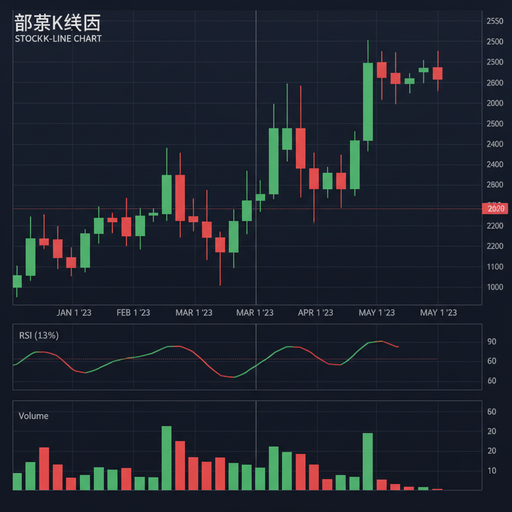
**Rule 1: Rapid rise but slow fall—that’s big funds building positions.** Don’t be scared by a pullback; focus on the rhythm of the rise and fall. Follow the flow of funds, and you won’t go wrong.
**Rule 2: After a sharp decline, only weak rebounds—beware of the market makers fleeing.** At this point, never think about bottom-fishing for bargains; otherwise, you’ll become the last bag-holder, stuck at a high position and unable to move.
**Rule 3: Volume at the top may indicate continued rise; no volume, then exit quickly.** Trading volume is the guarantee of a trend. A rise without volume is like a bow at its limit—inevitably, it will fall.
**Rule 4: Don’t rush to buy after a single large volume spike; sustained volume indicates consensus formation.** A single volume spike is often a trap to lure in buyers; only multiple sustained volume increases show that the market truly has consensus.
**Rule 5: Ultimately, it’s about trading emotions; volume is a mirror of consensus.** Don’t obsess over complex K-line structures; understanding market psychology is the core. Once you understand volume, you understand the trend.
**Rule 6: No thoughts, no greed, no fear—that’s how to win.** Those who can stay out of the market, wait patiently, and are not attached or greedy, are the ones qualified to profit from big trends.
Honestly, the simpler the principle of making money in the crypto world, the more effective it is. Stick to discipline, survive long enough, and wealth will come naturally.