


Futures
Access hundreds of perpetual contracts
TradFi
Gold
One platform for global traditional assets
Options
Hot
Trade European-style vanilla options
Unified Account
Maximize your capital efficiency
Demo Trading
Futures Kickoff
Get prepared for your futures trading
Futures Events
Join events to earn rewards
Demo Trading
Use virtual funds to experience risk-free trading
Launch
CandyDrop
Collect candies to earn airdrops
Launchpool
Quick staking, earn potential new tokens
HODLer Airdrop
Hold GT and get massive airdrops for free
Launchpad
Be early to the next big token project
Alpha Points
Trade on-chain assets and earn airdrops
Futures Points
Earn futures points and claim airdrop rewards






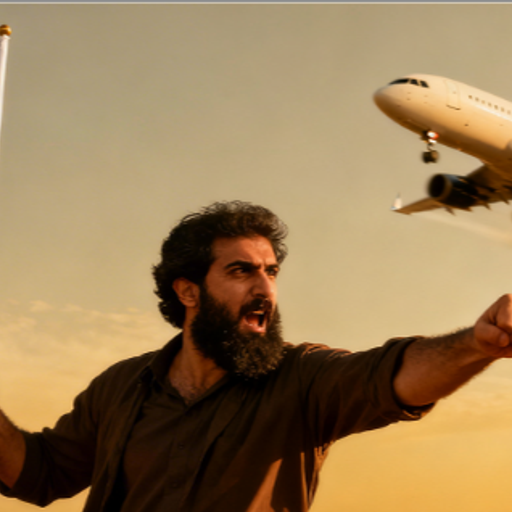
Iranian Women Amid Geopolitical Clash with the U.S. - Trump's 10-Day Final Letter
The situation between the U.S. and Iran is at a critical crossroads as Iranian women continue to recall the “Women, Life, Freedom” movement of 2022 and protests for human rights, just as Washington issues its final demands to Tehran. Donald Trump has set a 10-day deadline for Iran to reach a “meaningful” agreement or face “truly unpredictable” consequences, announced during a meeting in Washington on February 19.
Iranian Women’s Movement Continues Despite Political Pressure
The current geopolitical crisis cannot be separated from domestic social movements within Iran. Weeks ago, protests sparked by economic hardships spread nationwide in January, marking a continuation of the 2022 movement when Mahsa Amini’s death ignited a wave of human rights demands. This time, Iranian women are back on the streets, demanding basic rights and personal freedoms.
According to human rights organizations, authorities have carried out severe crackdowns, extensively cut internet access, and detained thousands. Pro-women protests have gone global, including large gatherings in Munich during Europe’s annual security conference, where many protesters carried pre-1979 Iranian flags as symbols of opposition to the current religious regime.
Nuclear Negotiations Face Deep Disagreements
Indirect talks held in Switzerland on February 17 revealed divergent views from both sides. Iran’s Foreign Minister Abbas Araghchi described the discussions as making “good progress” and stated that the two countries have reached an understanding of core principles. However, Washington remains more skeptical. Vice President J.D. Vance acknowledged some progress but affirmed Iran still refuses to meet U.S. key demands.
Fundamental disagreements over the 2015 nuclear deal remain major obstacles:
These issues remain difficult to resolve, especially after the U.S. withdrew from the agreement in 2018.
U.S. Boosts Military Presence in the Middle East
As negotiations continue, Washington has significantly expanded its military deployment in the region. Transport planes, fighter jets, refueling aircraft, and an aircraft carrier group have been sent to the area. Reports indicate a second carrier group may soon follow. This escalation suggests Washington is preparing for potential military scenarios, though officials have yet to confirm specific plans.
Iran Warns of Military Response if Attacked
In response, Iran has conducted military drills to demonstrate strength, including joint exercises with Russia and temporarily closing the Strait of Hormuz during live-fire drills. Tehran has clearly informed the United Nations that if attacked, they will consider U.S. bases and assets in the region legitimate targets for retaliation.
While Iranian officials claim they do not seek war, signals from Tehran indicate readiness for a potential confrontation. These statements come amid rising tensions and specific military actions from both sides.
Diplomatic Deadlock or Open Conflict?
Some opposition groups, including exiled Prince Reza Pahlavi, argue that a U.S.-Iran deal would only prolong the Islamic Republic’s rule without addressing regime change or protecting human rights, especially women’s rights in Iran. They believe current diplomacy fails to meet the demands of the Iranian people.
However, a comprehensive agreement remains fragile. Hardline positions on both sides, combined with regional complexities, make a quick resolution very difficult.
Ten Days to Decide Iran-U.S. Relations’ Future
The upcoming 10-day period could be decisive in determining whether diplomacy or conflict prevails. Despite military posturing from both sides, a negotiated outcome remains possible. Yet, rigid demands from each side—along with Iran’s social unrest, including the women’s movement demanding change—add layers of complication to the negotiations.
Whether through diplomacy or military conflict, the current moment marks a historic juncture for U.S.-Iran relations and overall stability in the Middle East.