


Futures
Access hundreds of perpetual contracts
TradFi
Gold
One platform for global traditional assets
Options
Hot
Trade European-style vanilla options
Unified Account
Maximize your capital efficiency
Demo Trading
Futures Kickoff
Get prepared for your futures trading
Futures Events
Join events to earn rewards
Demo Trading
Use virtual funds to experience risk-free trading
Launch
CandyDrop
Collect candies to earn airdrops
Launchpool
Quick staking, earn potential new tokens
HODLer Airdrop
Hold GT and get massive airdrops for free
Launchpad
Be early to the next big token project
Alpha Points
Trade on-chain assets and earn airdrops
Futures Points
Earn futures points and claim airdrop rewards





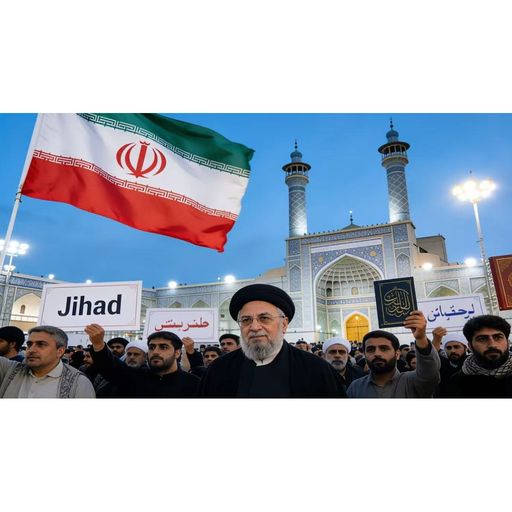

#美伊局势影响
The US-Iran Negotiations Break Down, Middle East Conflict Resumes
March 6, 2026 Comprehensive Report
Following the collapse of the third round of Geneva talks between the US and Iran, the Middle East situation has rapidly deteriorated. On February 28, U.S. President Trump ordered a large-scale military strike against Iran, resulting in the deaths of Iran’s Supreme Leader Khamenei and several senior military and political officials. The conflict has spread to the Strait of Hormuz and Israel’s homeland, causing severe turbulence in global energy markets.
Negotiation Breakdown: Diplomatic Window Closes
On February 26, the third round of indirect US-Iran negotiations was held in Geneva, Switzerland. Although mediator Oman’s Foreign Minister Badr described the talks as having made “significant progress,” both sides refused to back down on core issues, ultimately leading to the failure of diplomatic efforts.
US Position: Demands Iran dismantle major nuclear facilities such as Fordow and Natanz, transfer all highly enriched uranium abroad, and insists the agreement be permanent, canceling the “Sunset Clause.”
Iran’s Bottom Line: Firmly defend the right to peaceful nuclear energy, refuse to include missile issues in negotiations, and demand the full lifting of sanctions.
During the negotiations, the US military’s “Ford” aircraft carrier had already arrived in the Middle East, forming a deterrent with the “Lincoln” carrier. Military pressure outside the negotiation table ultimately overwhelmed the already fragile dialogue foundation.
Military Escalation: From “Decapitation” to Full-Scale Attack
On February 28, the US and Israel launched a large-scale airstrike against Iran. This operation targeted not only military facilities but also directly aimed at Iran’s top leadership.
High-Profile Killings: Iran’s Supreme Leader Khamenei, Commander of the Islamic Revolutionary Guard Corps, and 48 other senior officials were killed. Khamenei’s wife died from injuries sustained.
Facility Destruction: US Central Command Commander Cooper stated that over 30 Iranian ships had been sunk or destroyed, and a drone aircraft carrier was hit. The US military is systematically destroying Iran’s missile industrial facilities.
Iran’s Counterattack: Super-Heavy Missiles Target Israel
In response to the joint US-Israeli strikes, Iran did not show weakness. On March 5, Iran’s Islamic Revolutionary Guard Corps launched the “Khoramshahr-4” super-heavy missile carrying a 1-ton warhead, targeting central Tel Aviv and Ben-Gurion Airport.
Missile Capabilities: The missile is approximately 13 meters long, can reach speeds of Mach 16 outside the atmosphere, and takes only 10 to 12 minutes from launch to target impact, making it difficult for many missile defense systems to respond in time.
Regional Spillover: Hezbollah in Lebanon and Houthi forces in Yemen have launched counterattacks, extending the conflict to the eastern Mediterranean and the Red Sea coast.
Diplomatic Fog: Signals of “Peace Talks” Amid Conflict
As the military conflict intensifies, both sides continue to send complex diplomatic signals.
Trump’s Statement: Trump previously expressed willingness to engage in dialogue with Iran’s new leadership but later said “it’s too late,” hinting that military operations could continue for four weeks.
Iran’s Denial: Deputy Foreign Minister Majid Takht-Ravanchi denied that Iran was signaling willingness to negotiate with the US, emphasizing that Iran is in “defense mode.”
Situation Outlook: Middle East Enters High-Risk Period
Currently, Iran has established a temporary three-person leadership team composed of the president and members of the Constitutional Guard to act on behalf of the Supreme Leader. US and Israeli military actions have not ceased, and the offensive and defensive operations in the Strait of Hormuz and Israel’s homeland continue.
Analysts point out that the US-Iran conflict has entered a “fight while negotiating” stage, but short-term military confrontation will remain the main focus. With leadership changes in Iran and regional proxy forces involved, the uncertainty in the Middle East will further escalate.
$BTC